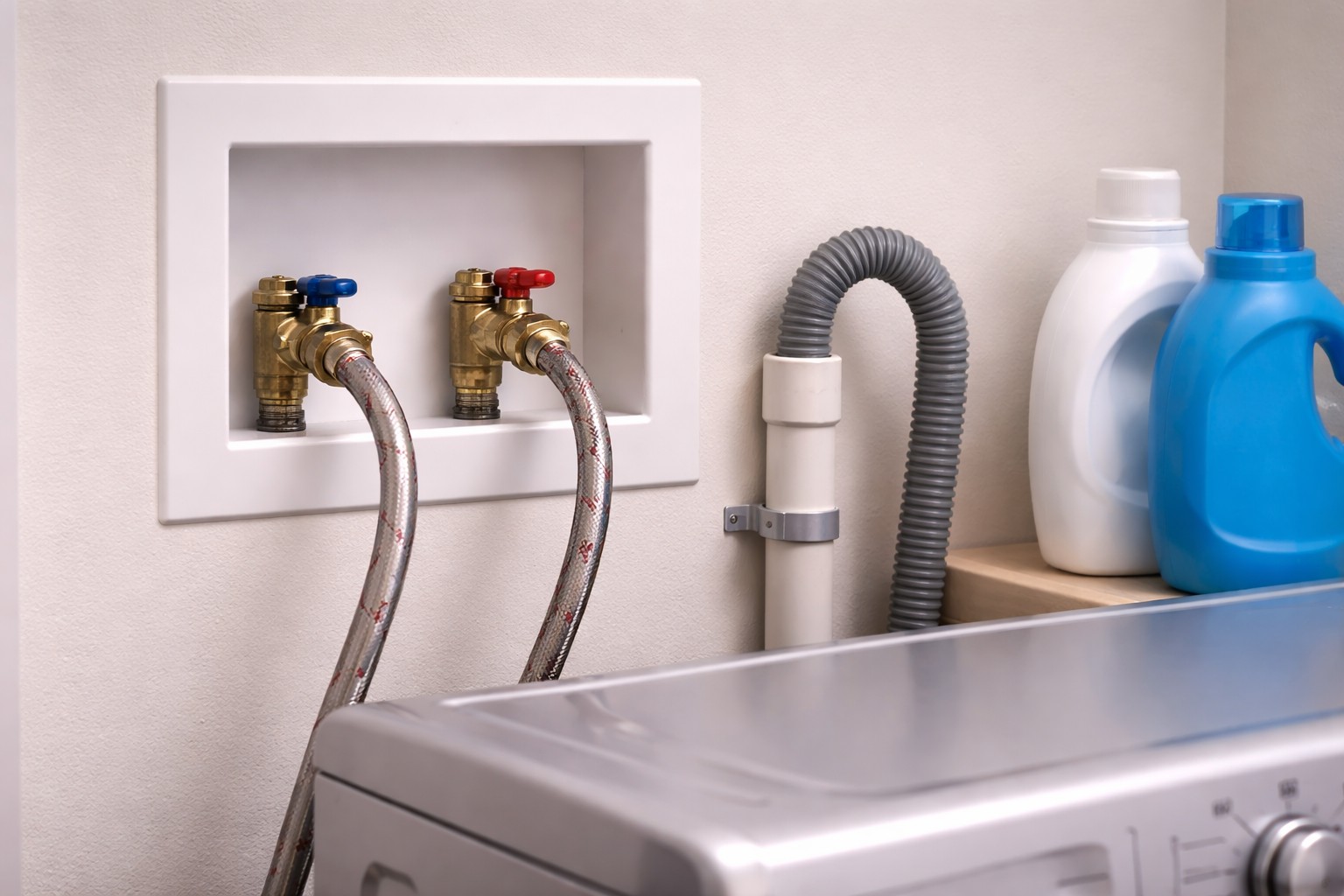
This hub covers “water going the wrong way” problems—hot showing up in cold lines, cross-connections between fixtures, and backfeeding that causes pressure drops or odd temperature behavior.
It also includes contamination-scare situations and practical ways to detect a cross-connection after a repair, install, or a city pressure change.
Use the groups below to match what you’re seeing and open the most relevant article.
Hot/cold crossover symptoms
Signs that hot and cold supplies are mixing or swapping at taps and fixtures.
-
Hot water flowing into cold lines
Hot water appears at fixtures that should be cold, often caused by a cross-connection, failed check valve, or a mixing device malfunction. The article outlines likely causes and initial checks to isolate the problem.
-
Cold water entering hot side
Cold water shows up on the hot side, reducing outlet temperature; this can come from bypasses, faulty mixing valves, or broken check valves. It explains how to identify where cold is getting in and what to inspect first.
-
Random hot water at cold tap
Intermittent hot water at a cold-only tap usually signals a pressure imbalance or an occasional backflow through a shared fitting. The article helps track down intermittent sources and reproduce the symptom for diagnosis.
-
Toilet filling from wrong supply
Toilets filling from a hot or otherwise incorrect supply indicate a plumbing cross-connection or misrouted supply line. This piece covers common installation mistakes and how to verify the toilet’s source.
Backfeeding between fixtures and appliances
When one fixture pushes water into another through an unintended path, creating unexpected flows.
-
Backfeeding between fixtures
Water from one outlet flows into another, often due to shared branch lines, missing check valves, or pressure differentials. The article outlines how to spot backfeeding and which valves or fixtures to test.
-
Backflow through washing machine
Washing machines can create backflow into the house supply if hoses are submerged or check devices fail. This item describes common washer-related backflow scenarios and preventive fixes.
-
Water heater backflow symptoms
Backflow involving the water heater may send cold into the hot loop or vice versa, affecting temperatures and pressure. The article lists symptoms that point to heater-related reversal and which valves to inspect.
Reverse flow after changes or pressure events
Problems that begin after installations or when the supply pressure changes suddenly.
-
Reverse flow after fixture install
New fixtures or rerouted piping can create unintended flow paths if check valves or isolation are omitted. The article helps check recent work and common install oversights that allow reverse flow.
-
Reverse flow after city pressure change
Municipal pressure adjustments or outages can trigger flow reversal and mixing in home plumbing. This piece explains how pressure swings cause problems and what to monitor after a city event.
-
Pressure loss due to flow reversal
Flow reversal can divert water away from fixtures, producing low pressure or weak flow at outlets. The article describes diagnosing the loss and steps to restore correct flow direction.
Outdoor reverse-flow problems
Backwards flow through outdoor connections or hose setups that can draw water into the house system.
-
Water flows backwards through hose bib
Hose bib backflow can draw contaminated water into household pipes when hoses are submerged or no vacuum breaker is installed. This article covers common hose-bib risks and simple prevention measures.
Sprinkler-related cross-connection and contamination
When irrigation is tied into the home supply or contamination is suspected after repairs.
-
Sprinkler system contaminating house water
An irrigation system without proper backflow prevention can introduce fertilizers, soil, or stagnant water into potable lines. The article explains typical sprinkler cross-connections and mandatory backflow devices.
-
Backflow contamination scare after repair
After repairs, perceived contamination may be due to temporary pressure changes or an unseated valve. This entry suggests checks to confirm contamination risk and immediate isolation steps.
Discoloration and pressure drops from cross-connection
When cross-connections show up as discolored water or noticeable pressure problems.
-
Cross-connection causing discolored water
Mixing with non-potable sources or disturbed lines can produce rusty or cloudy water at taps. The article covers likely sources of discoloration tied to cross-connections and sampling recommendations.
-
Cross-connection causing pressure drops
Unintended paths can siphon flow away from normal outlets, causing low pressure. This piece outlines how to detect diversion points and what valves to exercise during testing.
How to confirm a cross-connection
Checks and clues to pinpoint whether a cross-connection is present.
-
How to detect cross-connection
Simple tests—shutting valves, observing temperature changes, and isolating branches—help confirm a cross-connection. The article lists step-by-step checks homeowners can perform before calling a pro.
Related category: Water Entry, Shutoffs & Flow Control Systems
All Articles in This Cluster
- Hot water flowing into cold lines
- Cold water entering hot side
- Random hot water at cold tap
- Toilet filling from wrong supply
- Backfeeding between fixtures
- Backflow through washing machine
- Water heater backflow symptoms
- Reverse flow after fixture install
- Reverse flow after city pressure change
- Pressure loss due to flow reversal
- Water flows backwards through hose bib
- Sprinkler system contaminating house water
- Backflow contamination scare after repair
- Cross-connection causing discolored water
- Cross-connection causing pressure drops
- How to detect cross-connection