Quick Answer:
If you suspect backflow contamination after a recent repair, act quickly: isolate the repair zone, collect contamination evidence, and flush the system before restoring service. Use alternate water and call a professional if you see discoloration, smell sewage, or anyone becomes ill.
Why This Happens
Backflow contamination can occur when pressure changes allow non-potable water to move into your home’s potable system. Common causes include cross-connections, failed backflow preventers, or repairs that temporarily open a connection to irrigation or wastewater lines. Problems like Hot water flowing into cold lines or a Sprinkler system contaminating house water are examples of how water can move in the wrong direction when valves are left open or pressures shift during a repair.
Step-by-Step What to Do
1. Isolate the repair zone
- Shut off the main supply to the house if the contamination appears widespread.
- If the issue seems limited, close the nearest isolation valves or the valve feeding the repaired section.
- Cap or plug any open pipe ends used during the repair to prevent further contamination.
2. Collect contamination evidence
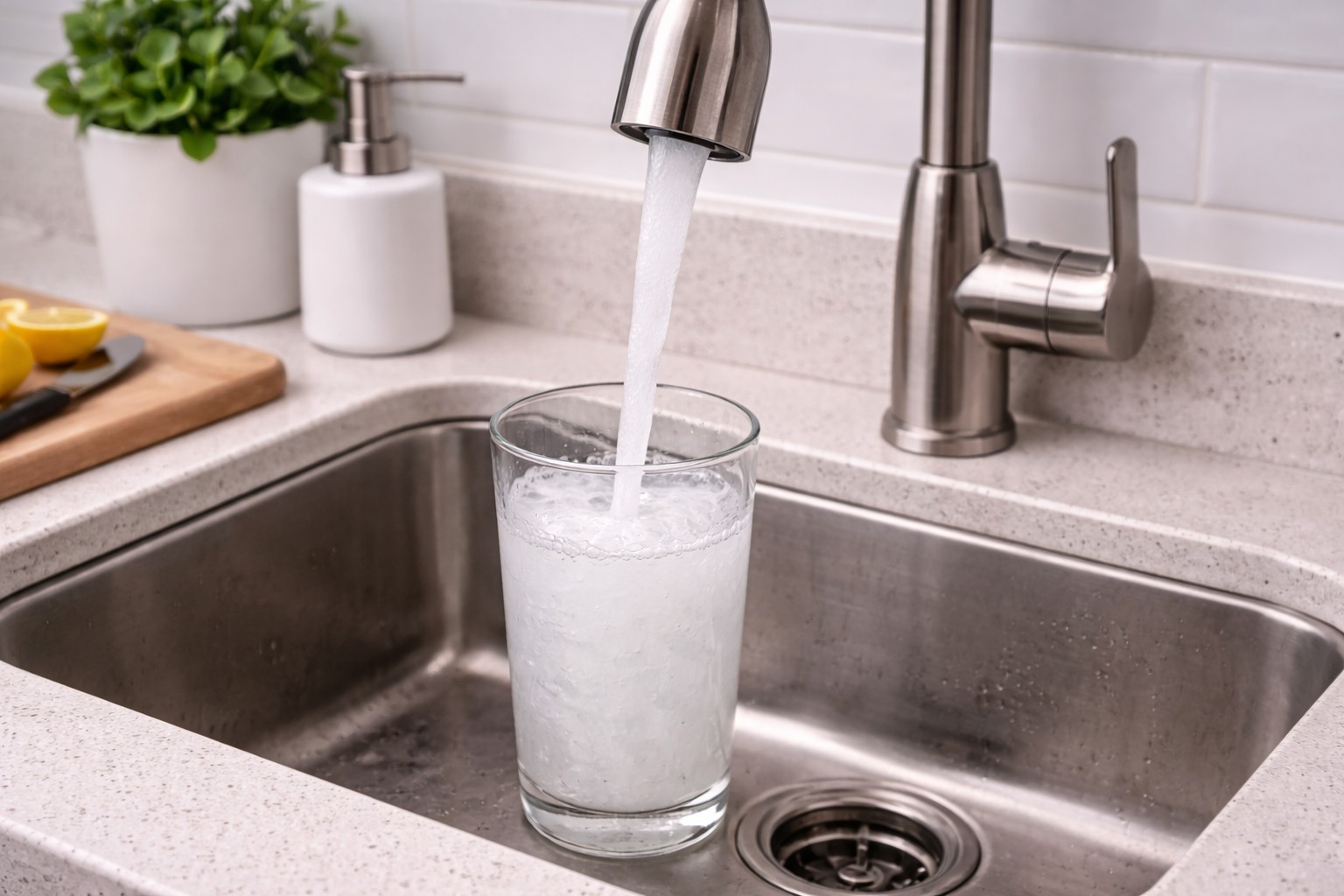
- Take clear photos of discolored water, debris, or visible cross-connections and label them with date/time.
- If you plan to get lab testing, collect samples in clean containers following the lab’s guidance or wait for a pro to collect them to preserve chain of custody.
- Note odors, when the problem started, who performed the repair, and any actions taken since then.
3. Flush the system
- With the affected zone isolated, open faucets on both hot and cold lines at the highest and lowest points in the house and let water run toward drain for several minutes until it runs clear.
- Flush exterior faucets, hose bibs, and irrigation lines separately to clear any contaminated water in those systems.
- Flush the water heater according to the manufacturer’s instructions if hot water lines are suspect — doing this reduces the chance of trapped contaminants.
4. Test and monitor
- Arrange professional testing for bacteria and chemical contaminants if you suspect significant contamination.
- Keep using alternative water (bottled or boiled and cooled) until tests confirm safety.
- Monitor water clarity, taste, and odor for at least 24–48 hours after flushing and retest if anything seems off.
5. Restore service carefully
- Only reopen isolations and restore normal service after flushing and/or negative test results confirm the water is safe.
- Reinspect backflow preventers, check valves, and any cross-connections that were exposed during the repair to prevent recurrence.
What Not to Do
- Don’t restore service without flushing.
- Don’t drink, cook with, or brush teeth with suspect tap water until it’s tested or confirmed safe.
- Don’t assume the problem is gone just because the water briefly looks clear—contaminants can settle or reappear.
When to Call a Professional
- Visible contamination (brown or cloudy water), strong sewage or chemical smells, or anyone showing symptoms of illness—call now.
- If you can’t isolate the affected plumbing or you don’t have access to proper backflow devices and testers.
- If the repair involved irrigation, boilers, or complex cross-connections—these often need a licensed plumber or backflow tester.
Safety Notes
- Use bottled water or boil water for drinking and food prep until testing clears the system. Boiling kills bacteria but won’t remove chemicals.
- Avoid running appliances (dishwashers, washing machines) on the suspect supply to prevent spreading contamination to fabrics and fixtures.
- Document all steps you take—photos, times, and conversations with repair personnel help professionals diagnose the cause and liability if needed.
Common Homeowner Questions
- How long should I flush the pipes? — Run taps until water is clear and odor-free, typically several minutes per outlet; longer if sediment persists.
- Can I test water myself? — Home test kits exist for basic checks, but professional lab tests are needed for reliable results and legal documentation.
- Will my water heater need service after backflow? — Possibly; flushing or professional servicing is recommended if hot water lines were involved.
For more related articles, see the Flow Direction Reversal & Cross-Connection Issues hub.