Quick Answer:
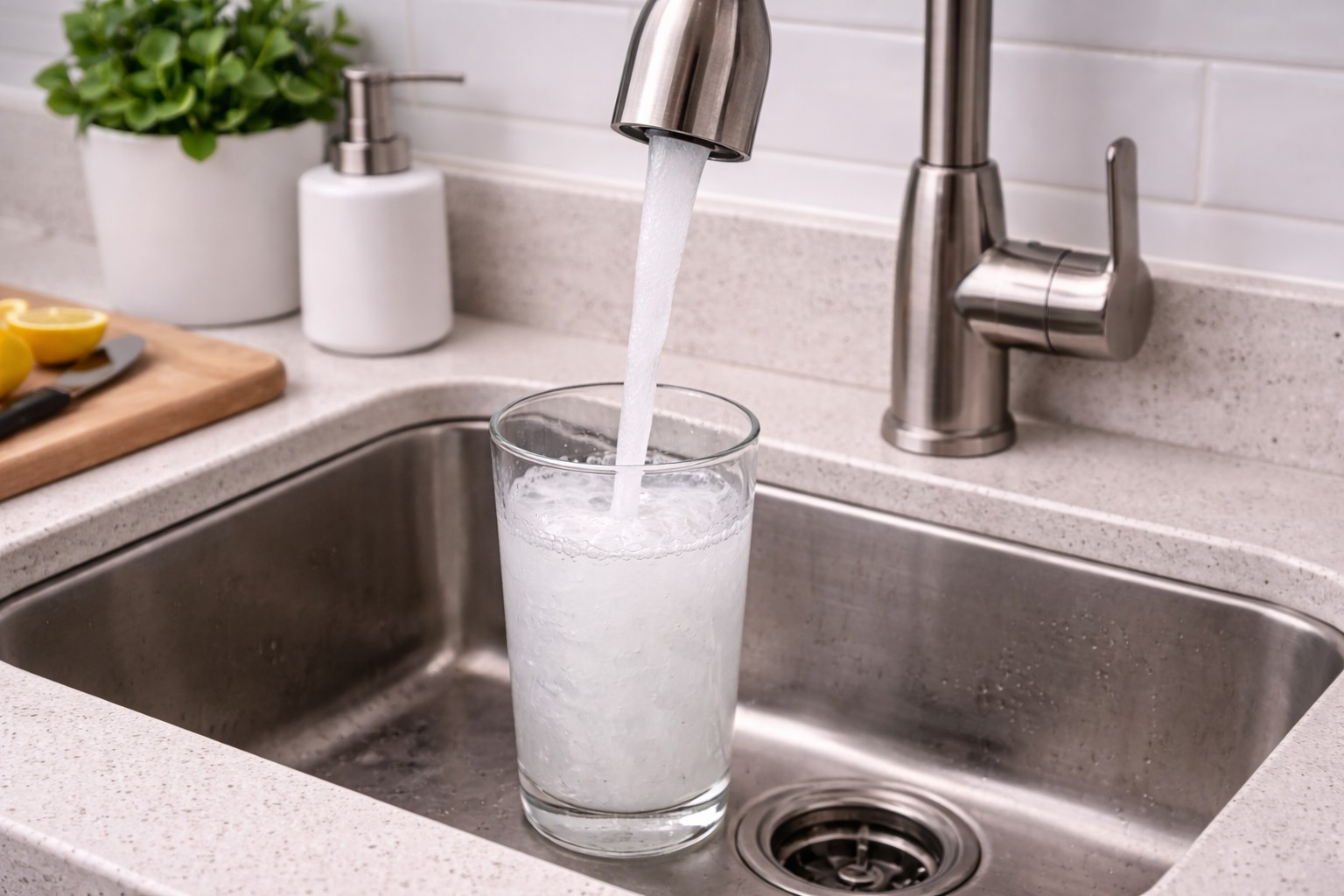
If brown, yellow, or cloudy water appears only when two separate systems run at the same time, you likely have a cross-connection that lets one system backflow into the other. Stop using the affected water, collect water samples before/after mixing point; isolate suspect branches, and document when it happens. That information will help you or a plumber confirm the source and fix the connection safely.
Why This Happens
A cross-connection is any physical link between potable (drinking) water and a non-potable source that can allow water to flow the wrong way when pressure changes. Common causes include a faulty backflow preventer, shared piping between irrigation and indoor lines, or hoses left submerged in a utility sink. Problems often show up only when both systems run together — for example, when an irrigation controller kicks on while a washing machine drains.
Examples to watch for are a Sprinkler system contaminating house water or backflow from laundry appliances such as a Backflow through washing machine. Both scenarios create mixing points where discolored or foul-smelling water can enter your home supply.
Step-by-Step What to Do
1. Stop using the suspect taps
- Turn off nonessential water-using devices (irrigation, hose bibs, washing machine) until you know the cause.
- Avoid drinking, cooking, or bathing from the affected taps until the issue is resolved.
2. Collect samples and document
- Collect water samples before/after mixing point; label each sample with date, time, and the tap location.
- Take one sample from a supply line upstream of the suspected cross-connection and one from a downstream tap where discoloration appears.
- Note whether the discoloration appears only when two systems run at once, and what those systems are.
3. Isolate suspect branches
- Shut off valves to isolate branches one at a time. If the discoloration stops after closing a valve, that branch likely contains the problem.
- If you cannot isolate with valves, turn off irrigation and appliances one at a time to find which combination causes the issue.
4. Check visible devices
- Inspect hose bibs, irrigation backflow preventers, and appliance connections for loose or missing backflow devices.
- Look for submerged hose ends, faulty check valves, or temporary fittings that bridge potable and non-potable lines.
5. Test and repair
- Share your samples and notes with a licensed plumber or public works inspector for testing if you suspect contamination.
- Replace or repair backflow preventers, faulty valves, and improper connections as recommended by the professional.
What Not to Do
- Don’t drink water until mixing is solved.
- Don’t try to fix internal backflow prevention devices unless you are qualified; improper repairs can make the problem worse.
- Don’t ignore documentation — photos, notes, and labeled samples speed diagnosis and reduce unnecessary work.
When to Call a Professional
- If you find colored, odorous, or cloudy water and cannot isolate the source quickly.
- If you identify a damaged or missing backflow preventer, or you suspect sewage or chemical contamination.
- If your municipality recommends testing — they may require certified testing or repairs by a licensed plumber.
Safety Notes
- Handle samples with gloves and keep them sealed and labeled. Avoid pouring suspicious water down drains that feed into other systems until problem is isolated.
- If contamination is possible, stop using water for food preparation and bathing until tests confirm safety or the issue is fixed.
- Do not attempt to chlorinate or chemically treat the system without advice from a professional; improper treatment can be dangerous.
Common Homeowner Questions
- Why does the water only turn discolored sometimes? — It happens when pressure changes cause one system to flow into another, so the issue appears only when both are running.
- Can I use bottled water temporarily? — Yes, use bottled water for drinking and cooking until the problem is fixed and tests show the supply is safe.
- Will my water utility fix this? — Utilities may test and advise, but repairs to private-side plumbing or appliances are usually the homeowner’s responsibility; call a licensed plumber for repairs.
For more related articles, see the Flow Direction Reversal & Cross-Connection Issues hub.