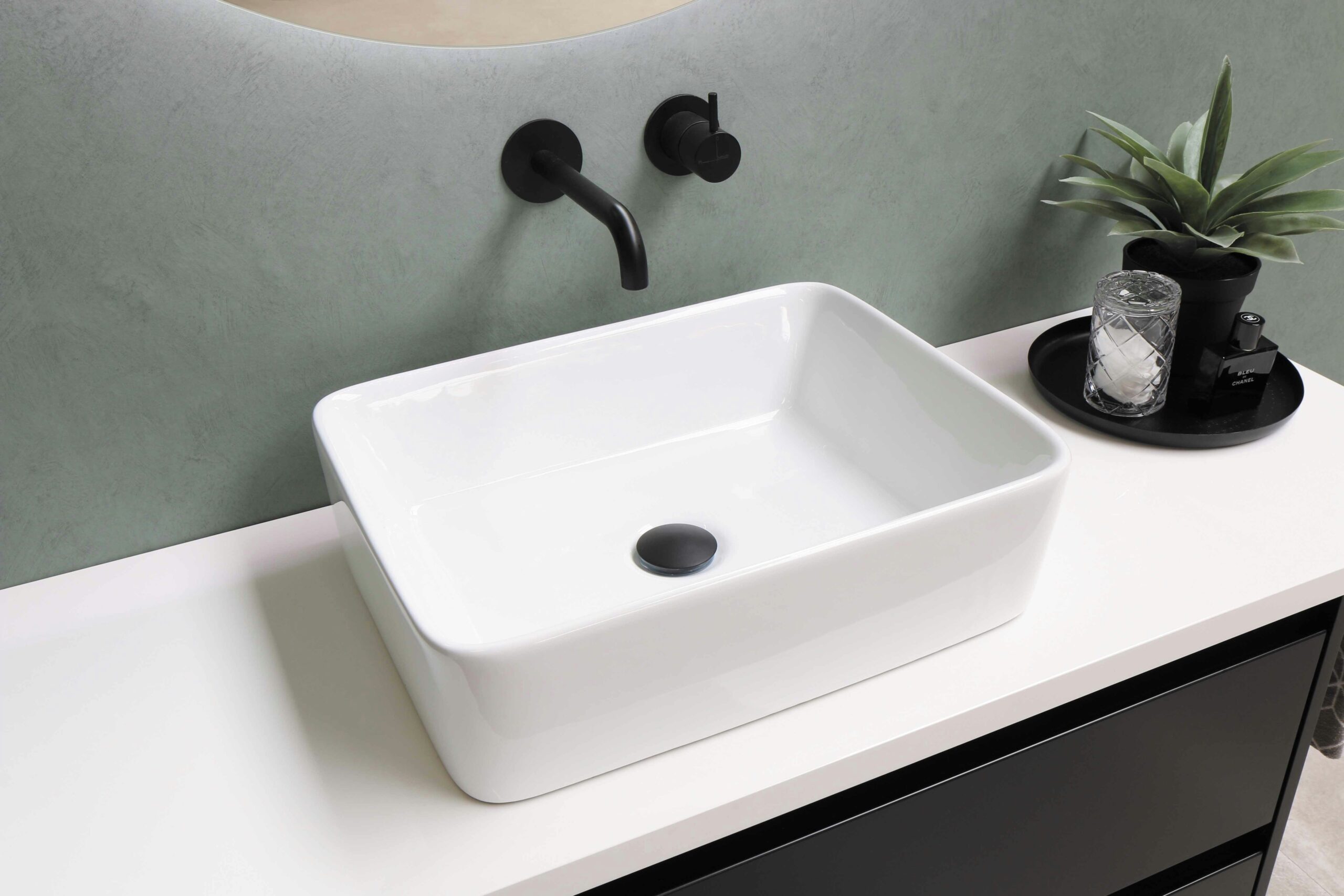
This hub covers bathroom sinks that drain slowly, drain worse over time, or behave differently depending on water temperature, time of day, or recent plumbing work.
Slow drains are often linked to soap buildup, hair accumulation, partial obstructions, or changes after outages or repairs.
Use the groups below to match when the slow draining happens and what changed recently.
Related subcategory: Bathroom Sink Mechanics & Drainage
Gradual or time-based slow drains
These items cover sinks that get progressively slower or only act up at certain times of day.
-
Bathroom sink draining slowly
A general look at common causes like partial clogs in the stopper, P‑trap, or drain line and simple checks to identify where the restriction is located.
-
Bathroom sink drains slower over time
Discusses progressive buildup from soap scum, hair, and mineral deposits and what routine cleaning or inspection steps typically slow that progression.
-
Bathroom sink slow only in morning
Explains why overnight cooling, settled debris, or venting issues can make a sink slow first thing, and what to check before assuming a full clog.
-
Bathroom sink slow but shower fine
Covers reasons a sink can be slow while the shower drains normally, pointing to sink‑specific parts like the stopper, tailpiece, or P‑trap rather than the main sewer line.
After repairs, outages, or changes
Slow drains that begin after work or a system event often point to disturbance of the drain or trapped debris.
-
Slow drain after plumbing repair
Looks at common post‑repair causes such as leftover solder, sealant, pipe debris, or a misaligned trap following reassembly.
-
Slow drain after installing new faucet
Focuses on installation issues like a new pop‑up assembly, tailpiece position, or trapped packaging material creating a partial restriction.
-
Slow drain after long vacation
Describes how infrequent use can let biofilm, mineral deposits, or settled debris interfere with flow and what simple flushing or trap cleaning can reveal.
-
Slow drain after city outage
Explains possible effects of pressure changes and displaced solids after an outage, and why multiple fixtures should be checked when slow drainage appears afterward.
-
Slow drain after winterization
Notes issues from thawed ice, displaced sediment, or partially closed valves after winterizing and how to inspect visible trap and tailpiece connections.
Temperature-specific slow draining
When slow flow depends on hot or cold water, the problem often involves residue that responds differently to temperature.
-
Slow drain only when hot water used
Hot water can loosen grease and soap residue that then migrates and re‑packs farther down the line; this article outlines likely spots and simple tests to isolate the issue.
-
Slow drain only on cold water
Cold water can cause certain residues to firm up or flow differently; this piece suggests checks for localized deposits or valve issues that affect cold flow.
Soap and usage-related slow drains
These pages focus on drains that slow after specific activities that introduce more soap, cream, or hair into the drain.
-
Slow drain after using heavy soap
Addresses how concentrated or “heavy” soaps and conditioners contribute to scum and partial blockages and what cleaners or mechanical checks to try first.
-
Slow drain after shaving
Explains how short cut hair and shaving foam collect at the strainer and in the trap, and describes basic removal and preventive measures homeowners can use.
No obvious clog
When there’s no visible obstruction at the stopper or strainer, the restriction may be in the trap, tailpiece, or further down the drain.
-
Slow drain with no visible clog
Outlines diagnostic steps for hidden restrictions, from removing the trap to checking venting and downstream flow with simple household tools.
-
Slow drain suddenly worsened
Describes possible causes for an abrupt decline in drainage, including a dislodged object, pipe damage, or a rapid accumulation that needs prompt attention.
All Articles in This Cluster
- Bathroom sink draining slowly
- Bathroom sink drains slower over time
- Bathroom sink slow only in morning
- Bathroom sink slow but shower fine
- Slow drain after plumbing repair
- Slow drain after installing new faucet
- Slow drain after long vacation
- Slow drain after city outage
- Slow drain after winterization
- Slow drain only when hot water used
- Slow drain only on cold water
- Slow drain after using heavy soap
- Slow drain after shaving
- Slow drain with no visible clog
- Slow drain suddenly worsened