Quick Answer:
Soap and grease from heavy soaps can leave a thin film that slows water flow. Start by flushing the drain with hot water only and observe. If the sink remains sluggish, follow the steps below to clear residue and check the trap and stopper before calling a pro.
Why This Happens
Many heavy soaps contain oils, waxes, or hard-to-dissolve ingredients. When mixed with hair, skin oils, and minerals in tap water this can form a sticky coating inside the pipe. That coating narrows the opening and slows the drain. Temperature changes can make the residue stickier as it cools or re-solidifies. If timing seems specific, check related situations like Bathroom sink slow only in morning or Slow drain only when hot water used for clues about causes.
Step-by-Step What to Do
1. Flush with hot water only and observe
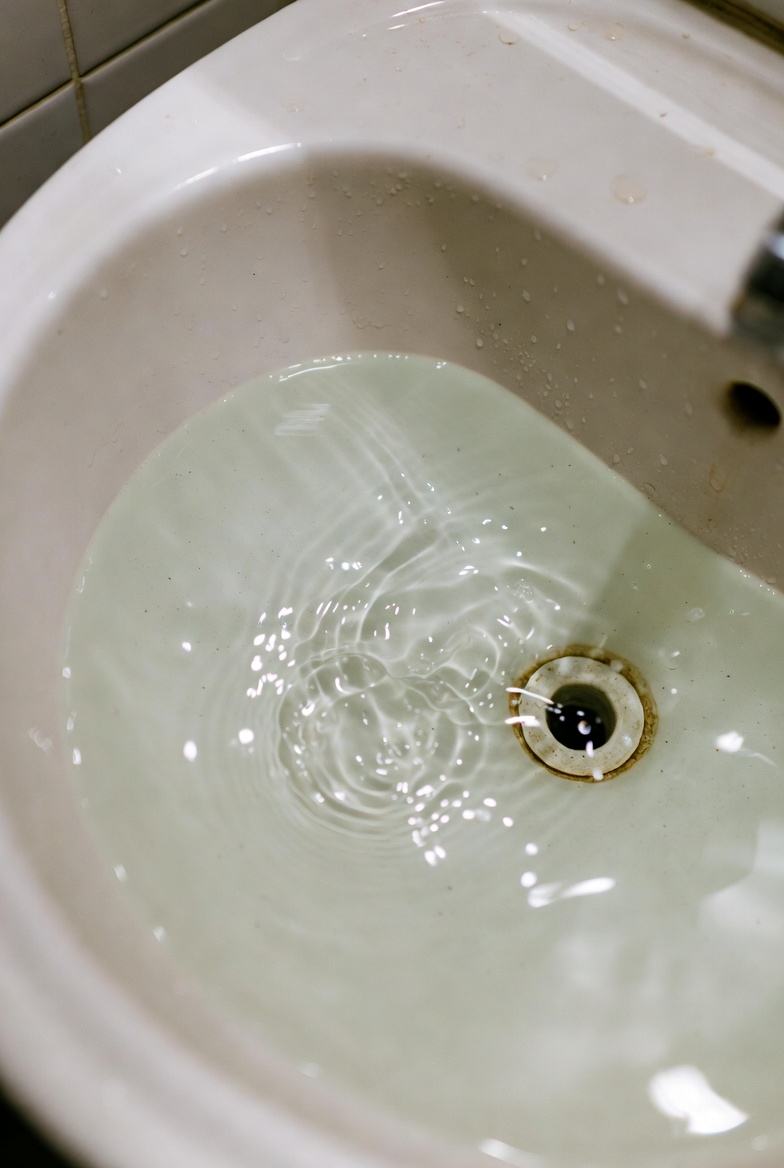
- Turn the faucet to full hot and let water run for 2–3 minutes into the drain. Watch how quickly the water level drops.
- Doing this first helps soften and move soap residue without adding chemicals or tools.
2. Clear the stopper or strainer
- Remove the sink stopper or lift out the strainer. Wipe away any soap scum, hair, and gunk.
- Rinse the stopper well and replace it, then test the drain again with hot water.
3. Use a plunger
- With some water in the sink, use a cup plunger and give firm, even plunges for 20–30 seconds.
- Plunging can dislodge soft residue further down the line. Re-run hot water after plunging.
4. Check and clean the P-trap
- Place a bucket under the P-trap, loosen the slip nuts, and remove the trap. Empty and clean it by hand or with a brush.
- Inspect the trap for clogs or thick soap build-up and reassemble carefully, checking for leaks.
5. Use a plumber’s snake if needed
- If cleaning the trap doesn’t restore flow, feed a small drain snake down the tailpiece and into the drain to break up or retrieve residue.
- Work slowly and pull out any debris; then flush with hot water.
6. Try an enzyme cleaner for organic residue
- Enzyme drain treatments break down organic soap and grease without harsh chemicals. Follow the product instructions and allow time to work overnight if suggested.
- Do not mix enzyme products with other cleaners.
What Not to Do
- Do not pour more soap to test — that adds more residue and can make the problem worse.
- Do not use boiling water on PVC pipes (use very hot tap water instead); extreme heat can soften plastic joints.
- Avoid pouring strong chemical drain cleaners into the drain; they can damage pipes and are hazardous to handle.
When to Call a Professional
- If the sink stays slow after you’ve cleaned the stopper, trap, and used a snake.
- If you find leaks when reassembling the trap or if multiple fixtures are slow (this can indicate a larger line problem).
- If you’re uncomfortable disassembling plumbing parts or the clog is deep and unreachable with home tools.
Safety Notes
- Wear gloves and eye protection when handling debris or cleaning the P-trap.
- Use a bucket and towels to catch water when removing pipes. Have a wrench sized for slip nuts ready.
- Do not mix cleaning products. If you previously used chemical cleaners, ventilate the area and avoid introducing other chemicals.
Common Homeowner Questions
- Q: Will one hot-water flush fix it? A: Sometimes; it’s a good first step, but persistent buildup usually needs physical cleaning.
- Q: Are chemical drain cleaners safe? A: No—avoid them when possible because they can harm pipes and pose safety risks.
- Q: How soon should I call a plumber? A: If the problem remains after the steps above or if multiple drains are affected, call within a day or two.
Related Articles
If you’re troubleshooting a similar symptom, these guides may help:
For the full directory, see Slow Bathroom Sink Drain Behavior.