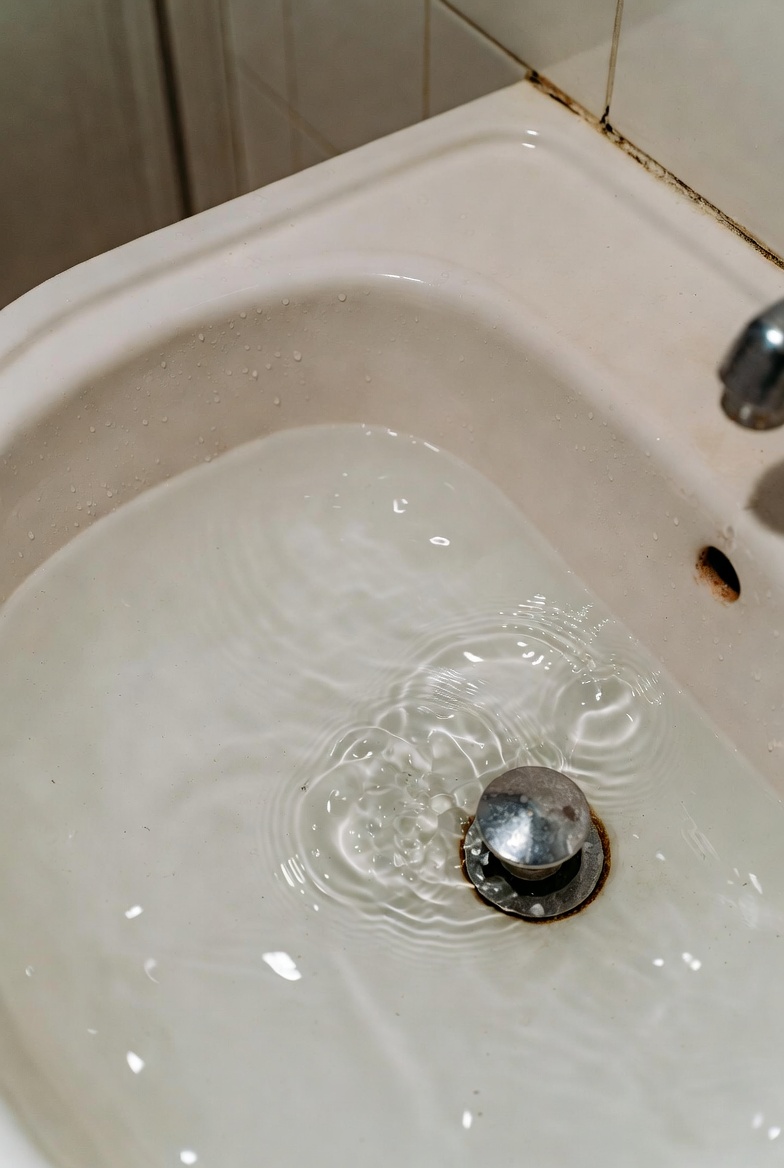
Quick Answer:
If your sink is draining slowly after you winterized the pipes, the most likely cause is concentrated soap and mineral residue left behind when water flow was reduced. Start with simple checks and a targeted cleaning: run warm water, remove and clean the trap, and rinse soap residues from trap. If the drain still moves slowly after those steps, follow the step-by-step guide below.
Why This Happens
When a sink sits with little or no water for a while, soap, grease and dissolved minerals can settle and harden on the inside of the trap and drain pipe. During winterization you may have emptied lines or used less water, so residues that normally stay suspended can build up. Cold temperatures also make soaps thicken, which can tighten and stick to pipe walls. If the problem appears quickly after reusing the sink, it can feel like a sudden clog.
Occasionally you’ll notice the issue after a specific use — a concentrated soap load from dishwashing or a heavy bar soap — and that pattern is different from a general blockage. If you recently had a noticeable change in performance, see the related note about Slow drain suddenly worsened.
Step-by-Step What to Do
1. Check water flow and remove standing water
- Turn on warm tap water to see how badly it drains. If water backs up, stop and move to the next step.
- Remove standing water with a cup or small container so you can inspect the drain and trap more easily.
2. Inspect and remove the strainer or stopper
- Lift out the sink strainer or pop-up stopper. Hair, soap clumps or debris often collect here first. Clean it and set it aside.
3. Remove and clean the p-trap
- Place a bucket underneath the trap to catch water, then loosen the slip nuts and remove the trap. Inspect for soap clumps and debris.
- Rinse soap residues from trap using warm water and a brush or rag. For stubborn buildup, soak the trap in warm soapy water and scrub gently — then rinse thoroughly before reinstalling.
4. Flush the drain line
- With the trap back in place, run warm water for several minutes to flush loosened material. If flow improves, keep running water for a short time to clear remaining residue.
- If flow is still slow, you can try a manual snake or a hand auger down the vertical drop to dislodge any remaining buildup. Use gentle, steady pressure to avoid damaging pipes.
5. Consider a single mild cleaner if needed
- If soap scum remains, an enzyme-based drain cleaner designed for organic buildup can help. Follow the product directions exactly and use only one product at a time.
- After treatment, flush with warm water to remove dissolved residues.
What Not to Do
- Do not mix multiple cleaners — combining products can create dangerous fumes or reactions.
- Avoid pouring strong caustic drain cleaners into plastic traps; they can cause damage.
- Don’t force stuck parts with excess wrenching; you can crack fittings or strip threads.
- Don’t try to use a torch, open flame or heated tools on plumbing.
When to Call a Professional
- If multiple fixtures are slow or backing up, that suggests a main line problem and needs a plumber.
- Persistent slow drainage after removing and cleaning the trap, or recurring clogs, are signs to call help.
- If you find a leak when reassembling the trap or if a fitting won’t seal properly, stop and call a plumber to avoid water damage.
Safety Notes
- Wear gloves and eye protection when handling dirty water and cleaning residue.
- Catch trap water in a bucket and dispose of solids in a trash bag; don’t pour concentrated chemical residues down other drains.
- If you use a commercial cleaner, read the label for ventilation and contact precautions. Never combine products.
Common Homeowner Questions
- Q: How long before I should expect improvement after cleaning the trap?
A: You should see better flow immediately after rinsing and a full flush within a few minutes of running warm water. - Q: Can I use vinegar and baking soda to clear soap scum?
A: That combo creates a fizzy reaction that can help with light buildup, but it’s not a substitute for mechanical cleaning of the trap; avoid using it with other cleaners. - Q: Will hard water cause this to happen again after winterization?
A: Hard water can contribute to residue buildup over time; regular flushing and occasional cleaning of the trap reduce repeat problems.
For more specific situations, check guidance on Slow drain after using heavy soap or contact a local plumber if problems persist.
Related Articles
If you’re troubleshooting a similar symptom, these guides may help:
For the full directory, see Slow Bathroom Sink Drain Behavior.