Quick Answer:
If drains that were working before the repair are now slow, the most common cause is debris or a partially reassembled fitting in the trap or just past it. Start by checking the trap and the immediate connections, then run simple tests to narrow the problem. If you don’t find anything obvious, stop and call a plumber to avoid making the issue worse.
Why This Happens
- Small bits of packing material, plumber’s tape, solder, or pipe shaving can fall into the line during work and collect in the trap or the first bend.
- A trap or slip nut may be reinstalled slightly misaligned so water moves more slowly.
- Valves left partially closed or a plugged vent can reduce flow and make a drain seem slow.
- If the issue only shows under specific conditions, see Slow drain only when hot water used or, if it followed seasonal work, check Drain slows after winterization.
Step-by-Step What to Do
1. Run a quick flow test
- Fill the sink a few inches and then open the drain to observe how quickly it clears.
- Note whether the slowdown is immediate or happens after some water has passed; immediate slow flow points to a local obstruction.
2. Check the trap for debris after repair
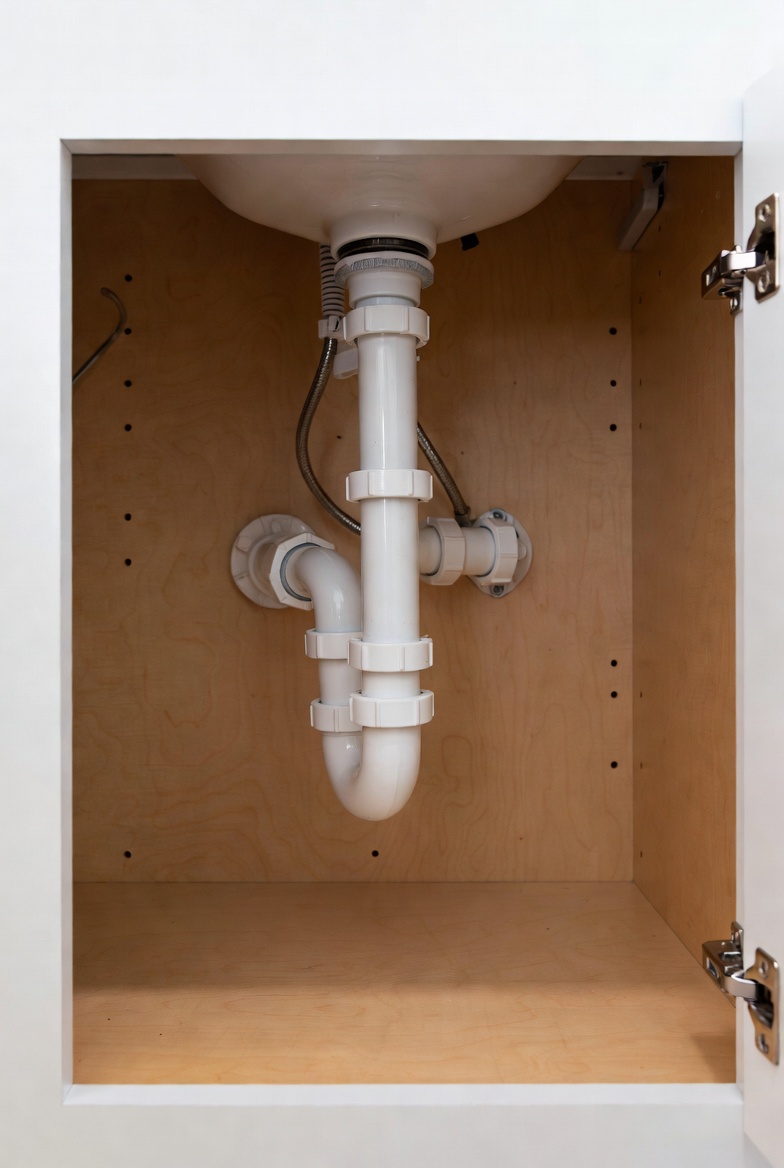
- Place a bucket under the trap (U-shaped pipe). Loosen the slip nuts and remove the trap. Wear gloves.
- Inspect and clear any debris, hair, or grit. Rinse the trap and reseat it carefully, making sure the nuts are snug but not overtightened.
- Turn water on and test the drain again.
3. Inspect nearby fittings and valves
- Look for misaligned joints, crushed washers, or partially closed shutoff valves that might restrict flow.
- Tighten fittings by hand or with a wrench as needed, but avoid over-tightening plastic parts.
4. Test other fixtures and vents
- Run water in other sinks or the tub to see if multiple drains are affected—this can indicate a larger blockage or venting issue.
- Listen for gurgling sounds, which can mean a vent is blocked or trapped air is preventing proper flow.
5. When a simple clear doesn’t work
- If the trap was clean but the drain remains slow, avoid forcing things deeper unless you have the right tools and experience.
- Call a professional if the slow flow persists after these checks.
What Not to Do
- Do not assume repairs cleared the line.
- Do not pour strong chemical drain cleaners into a recently worked-on fitting—they can damage seals and create a hazard for you or a plumber later.
- Do not force metal tools down the drain without knowing the pipe layout; you can damage traps, fittings, or finishes.
When to Call a Professional
- If the trap is clean and fittings look correct but the drain is still slow.
- If multiple fixtures are affected, suggesting a blockage deeper in the main line or a venting problem.
- If you find damaged pipes, corroded fittings, or if the repair involved soldering and you’re unsure about the joints—call a plumber for a safe inspection and repair.
Safety Notes
- Turn off local shutoff valves before disassembling a trap, if available.
- Use a bucket and towels to catch water. Wear gloves and eye protection when handling debris or older pipes.
- Avoid mixing cleaning chemicals and never use a drain snake if you’ve recently used a chemical cleaner; wait and flush thoroughly and inform the plumber if you did.
Common Homeowner Questions
- Why did this start right after the plumber left?
Small debris or a loose piece often gets dislodged during work and lodges in the trap or first bend. - Can I fix it myself?
Yes if the problem is in the trap or a visible fitting; follow the steps above and stop if anything looks damaged. - Are chemical drain cleaners safe here?
Not recommended—avoid them after repairs and prefer mechanical clearing or a professional assessment.
For more related articles, see the Slow Bathroom Sink Drain Behavior hub.
For more related articles, see the Slow Kitchen Sink Drain & Grease Accumulation hub.