Quick Answer:
If your bathroom sink takes noticeably longer to empty than before, it likely has a partial clog in the drain, the pop-up stopper is catching hair and debris, or the p-trap has buildup. Start by testing how long the bowl empties under normal flow so you have a baseline, then follow a few cautious steps to clear the blockage before calling a plumber.
Why This Happens
Small clogs form gradually. Common causes are hair, soap scum, toothpaste, and bits of cotton or tissue. If the slowdown started after shaving or grooming, hair and shaving residue are often to blame. If only one sink is affected, the problem is usually local to that fixture rather than your whole drain system — check Slow drain only in bathroom sink for situations like that. Regular use can pack soft debris against the pipe walls, narrowing flow until water pools.
Step-by-Step What to Do
Run a timed drain test
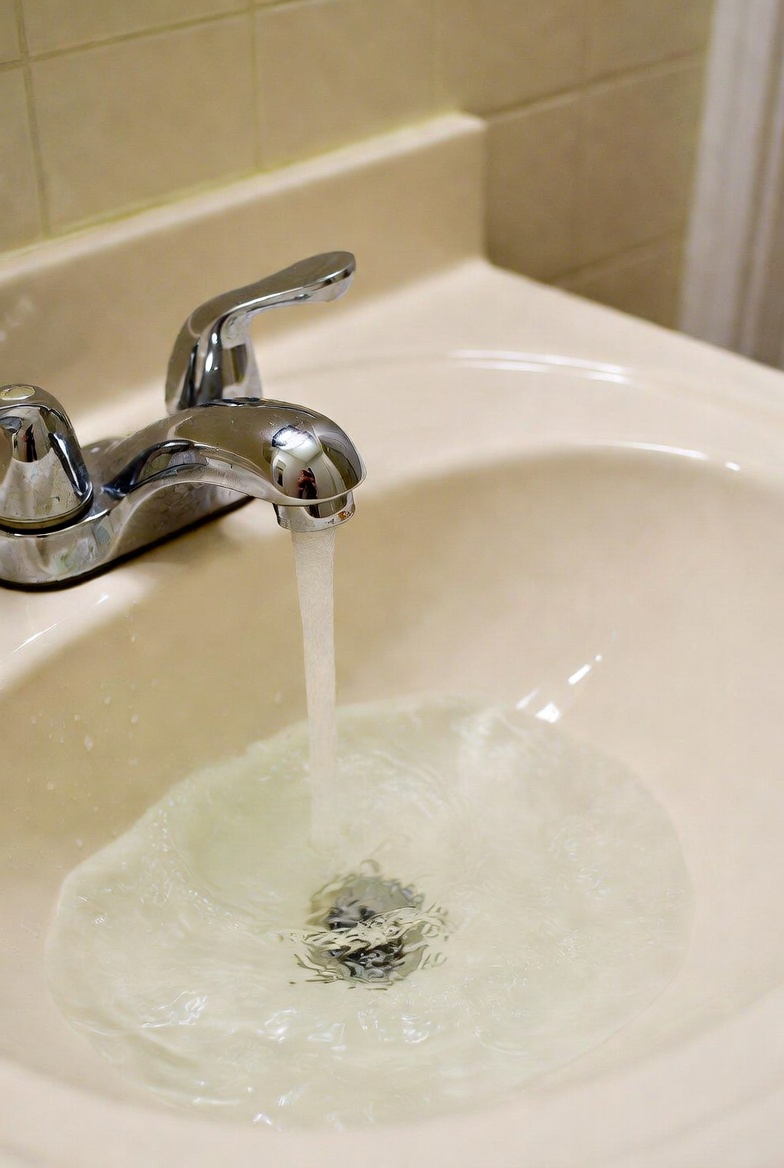
Turn the faucet on to a steady medium flow, fill the bowl about halfway, then stop the water and time how long it takes to empty completely. Note the time — this helps you tell if the condition improves or worsens after each action.
Remove and clean the stopper
Many stops are removable. Lift or unscrew the pop-up and clear any hair and gunk by hand or with a soft brush. Rinse the stopper and re-seat it, then repeat the timed drain test.
Try a plunger
Use a small sink plunger (cup plunger) with water in the bowl to seal around the stopper hole. Plunge gently but firmly several times, then run water and recheck drain time. Plunging often dislodges soft blockages.
Check and clean the p-trap
Place a bucket under the p-trap, loosen the slip nuts, and remove the trap. Empty its contents into the bucket, remove any debris, and rinse. Reassemble carefully and test the drain. This step often removes hair and accumulated soap scum.
Use a drain snake if needed
If the p-trap was clear but the sink is still slow, feed a hand auger (drain snake) into the trap arm toward the wall to break up deeper clogs. Work slowly and retrieve debris as you withdraw the snake. Run water and time the emptying again.
Finish with hot water and a mild cleaner
After clearing visible debris, flush the drain with several liters of hot (not boiling) water. A cup of baking soda followed by a cup of white vinegar can help loosen soap scum; let it sit 10–15 minutes, then flush with hot water. If the cause is shaving residue, see information on Slow drain after shaving for prevention tips.
What Not to Do
- Do not use harsh chemicals immediately. They can damage pipes, harm finishes, and make a future plumbing repair harder or unsafe.
- Do not force parts or overtighten fittings when reassembling the p-trap; cross-threading can cause leaks.
- Do not use boiling water on PVC pipes; very hot water can soften or warp the plastic.
When to Call a Professional
- The sink remains slow after you’ve cleaned the stopper, trap, and used a snake.
- Water backs up into other fixtures or you notice sewer odors — signs of a deeper line problem.
- Leaks appear after you reassemble plumbing, or you find corrosion or damaged pipe sections.
- You’re uncomfortable doing any of the above steps safely.
Safety Notes
- Wear gloves and eye protection when cleaning traps or using a snake.
- If you used chemical drain cleaners previously, ventilate the area and avoid mixing chemicals — residues can react dangerously.
- Turn off water and place a bucket under the trap before loosening fittings to avoid spills.
- If you smell gas or strong sewer fumes, leave the house and call a professional immediately.
Common Homeowner Questions
- Why did this happen suddenly? Slow drains often start slowly; a recent grooming session or extra soap usage can make the problem noticeable quickly.
- Will a plunger damage the sink? No—used properly, a cup plunger is safe and often effective for sink clogs.
- How often should I clean the stopper? Every 1–3 months helps prevent buildup, more often if you shave or have long hair.
Related Articles
If you’re troubleshooting a similar symptom, these guides may help:
For the full directory, see Slow Bathroom Sink Drain Behavior.