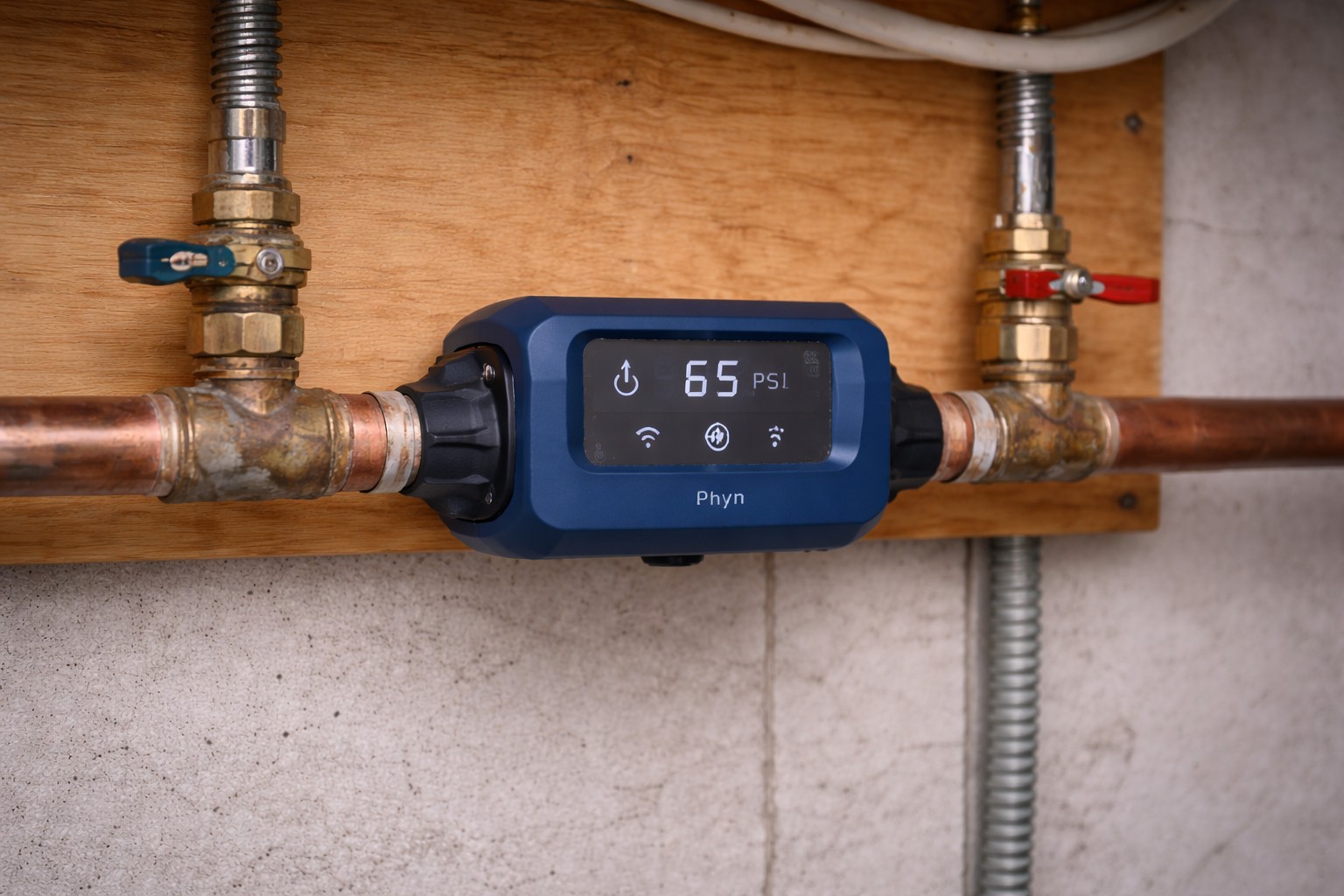
This hub collects common failure patterns for smart shutoff devices when they behave unexpectedly—unexpected trips, app alerts that don’t match what you see, and valves that won’t reopen.
It also covers problems tied to Wi‑Fi, power, firmware updates, pressure changes, irrigation cycles, and pressure‑reducing valves that can confuse a device. Use the groups below to match the symptom and open the most relevant article.
Related subcategory: Water Entry, Shutoffs & Flow Control Systems
False trips and incorrect leak alerts
These articles focus on alerts and automatic shutoffs that occur during normal use or without any actual leak.
-
Smart shutoff triggered falsely
Describes situations where the device closes for no apparent leak and outlines common causes such as transient flows, sensor placement, or sensitivity settings.
-
App shows leak but no leak exists
Looks at mismatches between app notifications and on‑site reality, including cloud or sensor data errors and how to confirm the alert before acting.
-
False leak detection during showers
Explains why showers and other intermittent high‑flow uses can resemble leaks to some devices and how to identify those patterns.
-
Smart shutoff misreads pressure drops
Describes how normal pressure transients or pump cycling can be interpreted as leak signatures and what to check on the supply side.
Random shutoffs and won’t reopen
These items cover unexpected closures and cases where the valve refuses to open again from the app or remotely.
-
Smart valve shutting off randomly
Details intermittent closures that occur without a clear trigger and highlights likely culprits such as errant sensor readings or device resets.
-
Smart valve won’t reopen remotely
Focuses on remote‑control failures where the app shows open but water remains off, including communications and actuator issues.
-
Water restored but valve remains closed
Describes situations where supply is available again yet the valve stays shut, and what safe manual checks to perform.
-
Smart shutoff locks closed after freeze
Explains how freeze events can jam actuators or trigger safety locks that prevent reopening until inspected or thawed.
Power, battery, and connectivity
Issues in this group stem from Wi‑Fi, power loss, battery health, or firmware changes that alter device behavior.
-
Wi-Fi disconnect causing water loss
Covers how a lost network link can prevent remote control or reporting and may lead devices to default to closed or open states depending on configuration.
-
Smart shutoff after power outage
Looks at typical post‑outage behaviors, such as failed restarts, default safety positions, or the need to re‑establish connections.
-
Battery failure in smart shutoff
Describes battery‑related failures for units with internal power, including reduced function, false alerts, or complete loss of operation.
-
Smart shutoff fails after firmware update
Summarizes problems that can appear after updates, such as changed defaults, regressions, or the need to reconfigure settings.
Pressure, noise, and low-flow side-effects
These articles address how the device itself can affect pressure, make noises, or interfere with low‑flow fixtures.
-
Smart shutoff causing pressure problems
Explains ways a valve can create pressure loss or fluctuations and when to consider the unit as part of a system pressure diagnosis.
-
Smart valve buzzing noise
Describes common causes of audible buzzing from the actuator or internal components and when noise indicates wear or a fault.
-
Smart shutoff installation caused low pressure
Looks at installation errors, undersized fittings, or flow‑restricting configurations that can reduce pressure after installation.
-
Smart shutoff conflicts with PRV
Discusses interactions between a smart valve and a pressure‑reducing valve that can confuse sensors or create instability in pressure regulation.
Bypass and manual override issues
When the backup bypass or manual controls leak or fail, these articles outline likely causes and safe next steps.
-
Smart system bypass leaking
Details common bypass leak points, whether from fittings, seals, or incorrect assembly, and suggests verification steps before replacement.
-
Manual override won’t work
Explains why a manual override might be stuck or ineffective and what to check to safely regain manual control.
Irrigation and appliance-use conflicts
These items cover trips or blocking behavior that happen during irrigation cycles or heavy appliance use.
-
Device trips during appliance use
Describes how dishwashers, washing machines, or sudden draw can be misread as leaks and trigger a shutdown.
-
Smart system blocking irrigation
Explains why irrigation patterns may be blocked or limited by leak algorithms and offers points to review in settings and schedules.
All Articles in This Cluster
- Smart shutoff triggered falsely
- App shows leak but no leak exists
- False leak detection during showers
- Smart shutoff misreads pressure drops
- Smart valve shutting off randomly
- Smart valve won’t reopen remotely
- Water restored but valve remains closed
- Smart shutoff locks closed after freeze
- Wi-Fi disconnect causing water loss
- Smart shutoff after power outage
- Battery failure in smart shutoff
- Smart shutoff fails after firmware update
- Smart shutoff causing pressure problems
- Smart valve buzzing noise
- Smart shutoff installation caused low pressure
- Smart shutoff conflicts with PRV
- Smart system bypass leaking
- Manual override won’t work
- Device trips during appliance use
- Smart system blocking irrigation