Quick Answer:
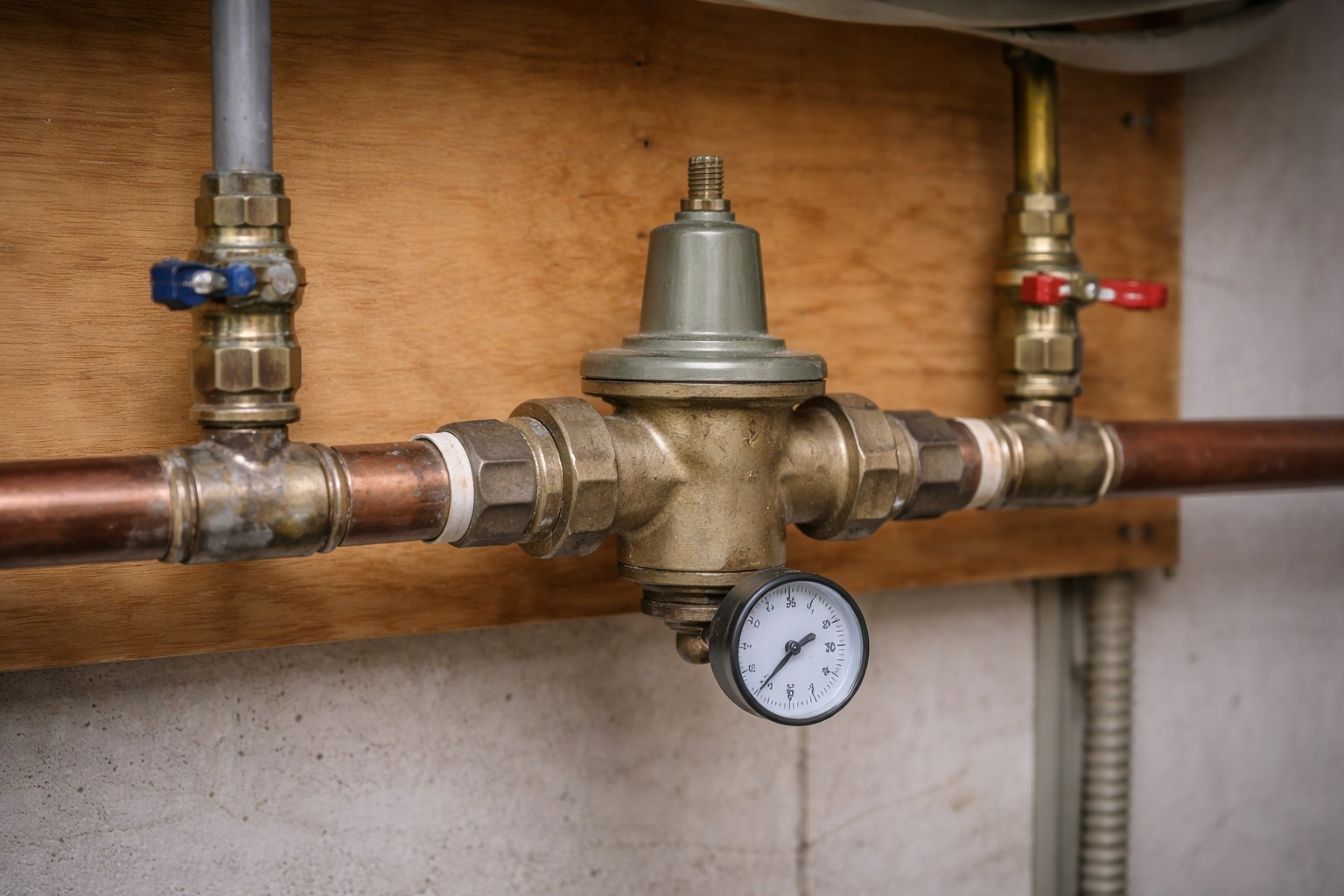
If a smart valve buzzes or hums while water flows, it usually means it isn’t fully open, the actuator is straining, or cavitation is occurring from a large pressure drop. Confirm the sound is coming from the valve or actuator, command the valve fully open, and check for an excessive pressure drop across the valve or a too-restrictive PRV. If the noise continues after these checks, the internal seat or the actuator may be failing and will need service or replacement.
Why This Happens
- Partial opening: If the valve isn’t fully open the actuator can sit under load while water slices through a narrow opening, producing a buzzing or humming sound.
- Actuator strain: Motors or solenoids inside the actuator can vibrate or overheat when they work against a partly closed seat.
- Cavitation: A large pressure drop across the valve can cause vapor bubbles and noisy flow as they collapse downstream.
- Worn internals: Damaged seats, springs, or internal parts can vibrate during flow and make noise.
Step-by-Step What to Do
1. Confirm the noise source
- Stand near the valve and listen while another person opens and closes the system. Is the sound coming from the valve body or the actuator? Is it present only during flow?
- Turn off nearby pumps or other valves briefly to isolate the noise source.
2. Ensure the valve is commanded fully open
- From your controller or app, send a full-open command and watch the actuator. Confirm it reaches the open position and stays there.
- If the actuator does not reach full open, cycle it a couple of times and try again.
3. Check for a large pressure drop across the valve
- If you have pressure gauges, compare upstream and downstream pressure while the valve is open. A big drop suggests the valve or an upstream PRV is too restrictive, causing vibration or cavitation.
- Reduce flow demand briefly (close a zone or slow a pump) to see if the buzzing stops—this indicates flow/pressure-related vibration.
4. Verify the PRV and upstream restrictions
- Make sure a pressure-reducing valve isn’t set too low or failing closed. A restrictive PRV can create a harsh pressure differential across the smart valve.
- Inspect strainers or filters for clogging that could raise upstream pressure and force the valve to operate under strain.
5. If the noise persists: suspect internal failure
- Continued buzzing after confirming full opening and acceptable pressure indicates worn or damaged seats, springs, or a failing actuator.
- At this point, plan for service or replacement of the valve assembly or actuator rather than continuing to run it under load.
What Not to Do
- Don’t ignore buzzing—partial closure can overheat actuators and wear seats quickly.
- Don’t force the valve manually while the line is pressurized or attempt internal repairs unless you’re trained and the water is isolated and depressurized.
- Don’t repeatedly cycle an actuator that’s already straining; this can cause thermal damage to the motor or electronics.
When to Call a Professional
- Persistent noise after you’ve confirmed the valve reaches full open and pressure differentials are within expected ranges.
- Visible leaks, actuator overheating, or if you cannot isolate or depressurize the valve safely.
- If diagnostic steps point to internal seat damage or actuator failure—these parts often require professional service or replacement.
Safety Notes
- Always isolate and depressurize the water line before removing a valve or opening the actuator housing.
- Do not open electrical actuator components unless power is disconnected and you are qualified; there is risk of shock and equipment damage.
- If you smell burning or see smoke from an actuator, turn off power immediately and call a professional.
Common Homeowner Questions
- Why does the buzzing start only when water flows? Because flow creates pressure differences and vibration; no flow means no pressure-driven noise.
- Can I keep using the valve until a service call? Short-term use after reducing flow may be OK, but don’t run it under load for long; prolonged operation can damage the actuator or seat.
- Could the smart controller cause the issue? Yes—incorrect commands or a stuck control can keep a valve partially closed. Check the controller and the actuator response. If needed, consult documentation or a technician.
If you want more detail on system-level issues, see Smart system blocking irrigation and for remote-opening problems check Smart valve won’t reopen remotely.
For more related articles, see the Smart Water Shutoff System Failures hub.