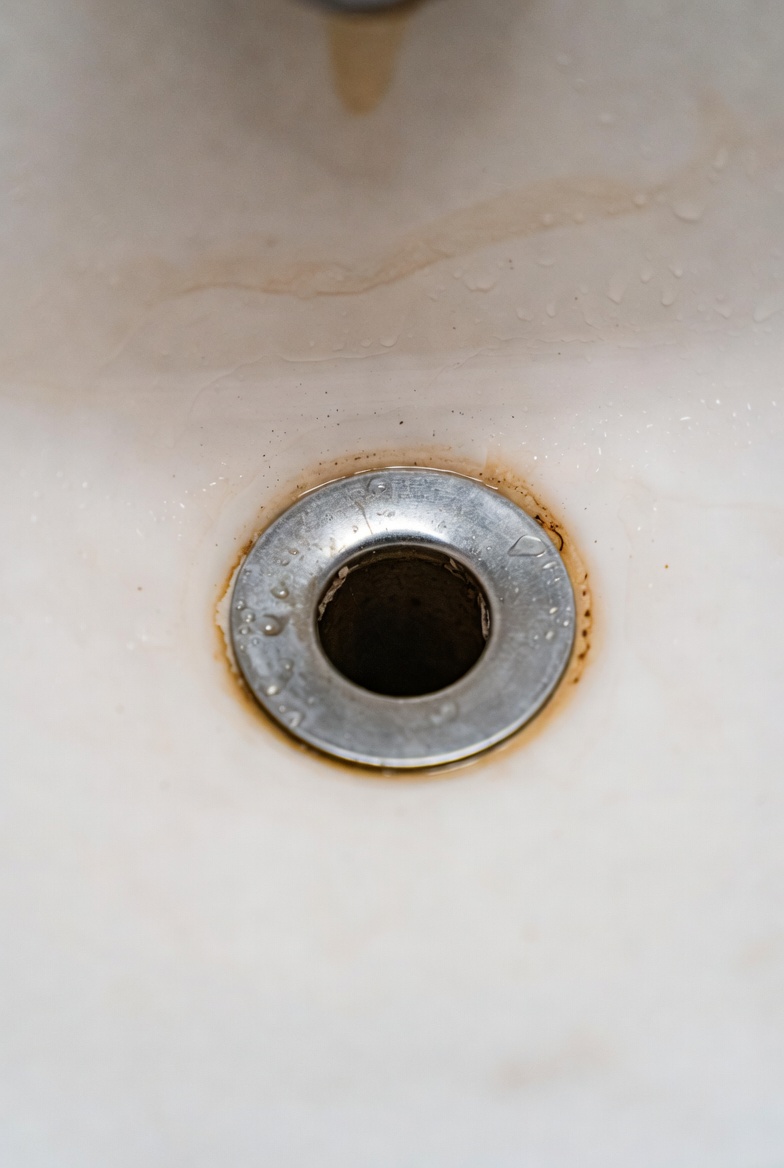
This hub covers bad smells coming directly from a bathroom sink drain. Odors may appear only at certain times, after sitting unused, or after plumbing changes. Use the groups below to narrow down odor timing and triggers.
Related sub-category: Bathroom Sink Mechanics & Drainage
Timing-based odors
Smells tied to time of day or inactivity can point to evaporated traps, slow bacterial growth, or intermittent airflow through the drain.
-
Odor only when sink unused
Smell appears after the sink sits unused; often from trapped organic debris or a dry P-trap allowing sewer gas to enter. It commonly resolves when water refills the trap but indicates a recurring source if it repeats.
-
Sink smells only at night
Odors that emerge at night may be accentuated by cooler temperatures or changes in household airflow. Nighttime pressure shifts can also make weak odor sources noticeable.
-
Smell after long vacation
Odor after returning from a long absence is often due to evaporated trap water or stagnant buildup in the drain. Extended inactivity allows bacterial films to concentrate and give off noticeable smells.
-
Odor returns every few weeks
Intermittent recurrence suggests a source that regenerates, such as periodic food or hair accumulation, or a venting issue that varies with weather and use. Regular reappearance often means the underlying buildup persists.
After repairs or outages
Odors that begin after plumbing events can result from disturbed buildup, installation errors, or changed pressure conditions.
-
Smell after plumbing repair
New smells following a repair may come from disturbed debris or temporary air pathways introduced during work. They can indicate a loose seal or residual odor from exposed drain parts.
-
Sink smells after city outage
Water or sewer outages can allow sewer gas into household plumbing or let trap water evaporate during the outage. When service is restored, odors may persist if seals were compromised.
-
Smell after replacing trap
After a trap replacement, smells often indicate an installation problem such as a misaligned connection or missing gasket. A correctly installed trap should isolate sewer gas, so persistent odor points to a local defect.
-
Sink smells after remodel
Remodeling can expose old deposits or alter drainage paths, creating new odor sources. Changes in sink orientation, materials, or venting can reveal smells that were previously contained.
Hot water or usage-related odors
Odors tied to water temperature or specific usage can indicate bacterial activity, trapped organics, or interactions with hot water systems.
-
Rotten smell after running water
A rotten or sewage-like odor that appears while water runs often points to bacteria or organic buildup being disturbed in the drain lines. It can also reflect reactions in the hot water supply if the smell coincides with appliance use.
-
Odor only when hot water used
Hot water can release trapped organic odors or accelerate bacterial activity that becomes noticeable only at higher temperatures. If the smell is tied to hot water, the source is likely within the heated portion of the system.
-
Smell disappears when water runs
If running water clears the smell, the issue may be localized stagnant water or trapped air that is temporarily flushed away. This pattern suggests the odor source is near the trap or in a holding pocket rather than a constant sewer leak.
General drain odors
Persistent drain-related smells are commonly caused by organic buildup, slow drainage, or compromised seals and vents.
-
Bad smell from bathroom sink drain
Consistent bad odors from the drain often come from accumulated hair, soap scum, or bacterial films in the trap and tailpiece. They may also indicate venting issues that allow sewer gas to migrate into the room.
-
Sewer odor only in sink
A sewer smell confined to the sink suggests a local seal, trap, or overflow problem rather than a whole-house sewer line failure. Localized odors are typically easier to isolate to the sink assembly or immediate piping.
-
Musty smell from drain
Musty or moldy smells usually point to damp trapped debris or slow-drying materials in the drain area. They may come from the drain body, trap, or surrounding cabinetry where moisture lingers.
-
Sink smells like mildew
A mildew-like odor indicates mold or bacterial growth in the drain, overflow, or nearby wet surfaces. This is common where organic residue remains damp for extended periods.
Overflow-related odors
Overflow passages are often overlooked and can harbor stagnant water and debris that generate separate smells.
-
Odor from overflow hole
Overflow channels can trap water and organic material, producing odors independent of the main drain. Because they are less frequently flushed, overflows are a common hidden source of persistent smells.
All Articles in This Cluster
- Odor only when sink unused
- Sink smells only at night
- Smell after long vacation
- Odor returns every few weeks
- Smell after plumbing repair
- Sink smells after city outage
- Smell after replacing trap
- Sink smells after remodel
- Rotten smell after running water
- Odor only when hot water used
- Smell disappears when water runs
- Bad smell from bathroom sink drain
- Sewer odor only in sink
- Musty smell from drain
- Sink smells like mildew
- Odor from overflow hole