Quick Answer:
If you come back to a strong smell after leaving a sink unused for a day, the most likely causes are a partially dried trap, trapped organic build-up in the drain, or ventilation issues. Start by refreshing the trap water and testing the drain with a full basin dump; that often clears the odor quickly.
Why This Happens
Sinks have a P-trap that holds water to block sewer gases. If that water level drops — from evaporation, a small leak, or frequent slow drainage — odors can come up the pipe. Organic matter inside the drain can also produce a sour or mold-like smell even when the trap still has water. If vents are blocked or other fixtures in the house are behaving oddly, air can be pulled through the trap, weakening the water seal.
If the smell seems damp or basement-like, read the section on Musty smell from drain. For smells that remind you of mildew, see Sink smells like mildew for common causes and cleaning tips.
Step-by-Step What to Do
Step 1 — Do a quick visual check
- Look under the sink for leaks from the trap or tailpiece.
- Check other nearby drains and floor drains for odors — a problem in one can affect another.
Step 2 — Refresh the trap water
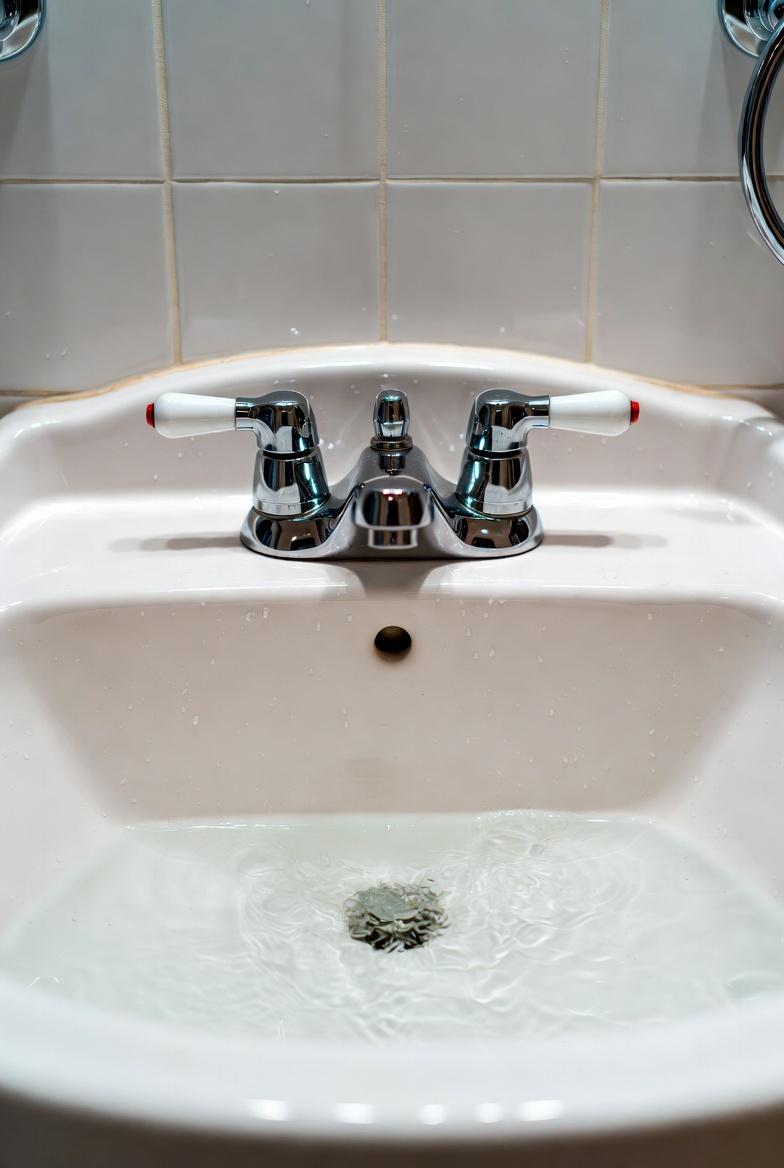
Fill the basin then release a full dump to refresh the trap seal. Use a solid fill so the trap gets a full surge of water; that restores the U-shape water level and pushes any trapped gases back down the drain.
Step 3 — Run water and listen
- Run hot water for 15–30 seconds, then run cold briefly to settle the trap.
- Listen for gurgling or slow drainage — those signs suggest a vent or partial blockage.
Step 4 — Clean the visible drain opening
Use a sink stopper removal or a clean brush to remove hair and debris at the top of the drain. Avoid pouring strong chemical cleaners — they can damage pipes and produce hazardous fumes.
Step 5 — Monitor and repeat if needed
- If the odor disappears, try to run water through the sink once a day or weekly if the sink is unused for long stretches.
- If the smell returns quickly, note when and how strong it is before calling for help.
What Not to Do
- Do not leave the sink unused for long periods without refreshing the trap.
- Do not mix household cleaners or use harsh chemical drain cleaners in an attempt to mask the smell.
- Do not ignore persistent sewer-type odors — they can indicate a larger plumbing or venting problem.
When to Call a Professional
- Persistent odor after you refresh the trap and clean the drain.
- Multiple fixtures in the house smell, or you notice sewer gas (a rotten-egg smell).
- Visible leaks, damaged trap, or gurgling noises from drains when other fixtures are used.
Safety Notes
- Work in a well-ventilated area if you need to clean the drain.
- Wear gloves when handling drain debris or when reaching into the trap.
- Avoid chemical drain cleaners; they can harm pipes and create dangerous fumes, and they complicate plumbing repairs.
Common Homeowner Questions
- Can trap water evaporate in one day? — Rarely; one day usually won’t dry a properly sealed trap unless the sink sits in direct sun or there’s a leak.
- Will pouring water fix the smell permanently? — It often removes the odor temporarily; repeat or investigate if smells return quickly.
- Is a sewer-like smell dangerous? — Small amounts are usually unpleasant but not immediately dangerous; persistent sewer gas should be addressed promptly by a professional.
For more related articles, see the Odors Originating from Bathroom Sink Drain hub.