Quick Answer:
Smells that appear mostly at night are often caused by a dry or weak trap seal, small sewer gas leaks, or pressure changes that pull odors through the drain. Start by noting when the smell appears and what other fixtures are being used. Simple checks—running water to refill traps, cleaning the drain, and watching for odors when other plumbing runs—often identify the issue. If the smell persists or is strong, call a plumber.
Why This Happens
At night two things commonly change: less water use and different pressure patterns in the house plumbing. Traps can lose water by evaporation if a sink isn’t used for long periods, and pressure swings from other fixtures (toilet flushes, washing machines, or nearby homes on shared vents) can briefly suck water out of a trap or pull air through a gap.
Other causes include a partially blocked vent, a cracked or improperly installed trap, or organic build-up in the drain that smells when air is still. If the problem shows up only in cold months, it can be related to seasonal venting effects or evaporation—see Odor worse in winter. If the smell began after recent repairs, check the trap or seal—see Smell after replacing trap.
Step-by-Step What to Do
1. Note timing and activity
- Keep a short log: what time the smell appears, how long it lasts, and what other fixtures are used (toilet flushes, showers, washing machine) when the smell occurs.
- Note whether it’s only in one sink or elsewhere in the house.
2. Refill and test the trap
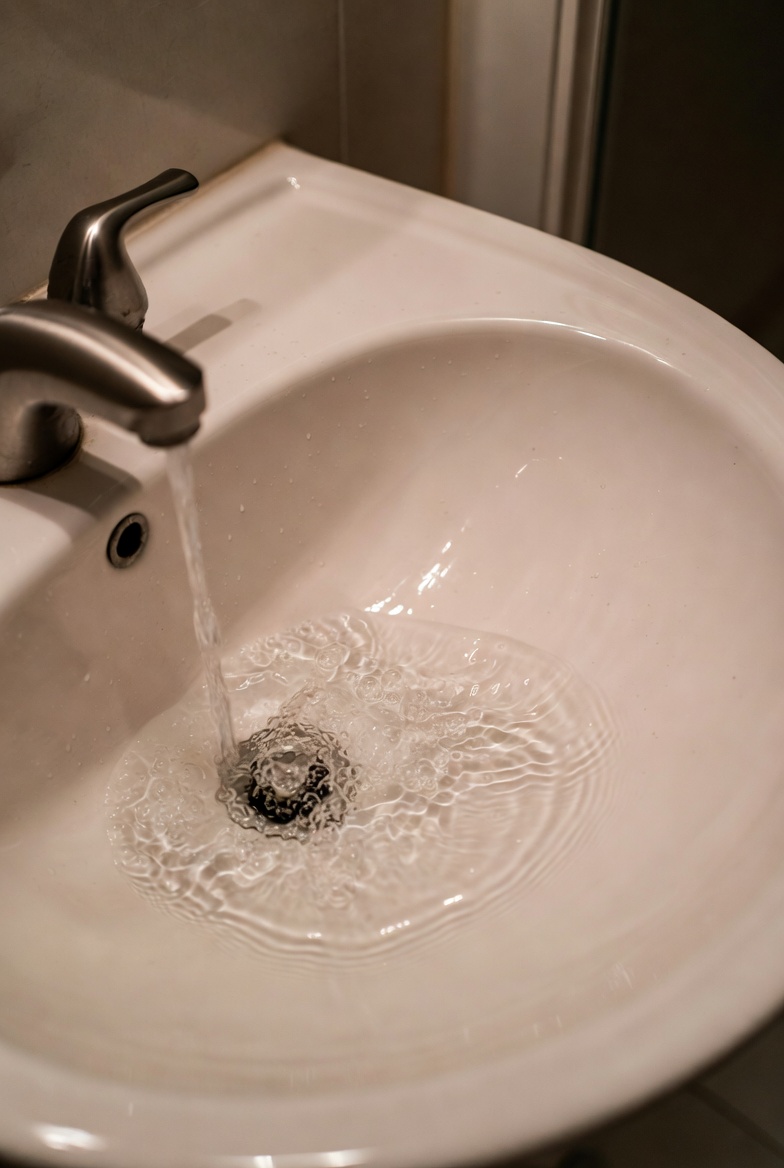
- Run cold water for 30 seconds in the sink at night when the smell starts and again in the morning. This refills the P-trap and often fixes odors from a dried trap.
3. Check nearby fixtures and vents
- Ask household members if appliances run at the same time the smell appears. Pressure changes from other appliances can draw odors through a weak trap seal.
- Listen for unusual gurgling in other drains when the smell occurs—gurgles suggest trap or vent problems.
4. Clean the drain
- Remove visible debris from the sink strainer. Use a plumber’s snake or a hand to pull up hair and gunk from the drain (wear gloves).
- Flush with plenty of water and a mild cleaning solution (dish soap and hot water). Avoid pouring harsh chemicals down the drain, especially if you suspect a leak.
5. Inspect the trap and connections
- Look under the sink for leaks, cracks, or loose fittings. Tighten small connections gently; if the trap is cracked or looks wrong, it may need replacement.
- If you’re not comfortable inspecting under the sink, skip this and call a pro.
6. Check for venting problems
- Vent obstructions (tree nests, debris) or improper venting can change pressure and let odors pass. If you suspect a vent issue, a plumber can test and clear vents safely.
7. Do a night test
- When the smell usually appears, run water in the sink and nearby fixtures and note any change. This helps confirm if pressure swings or traps are responsible.
What Not to Do
- Do not block vents or openings while diagnosing nighttime smells. Blocking vents can create dangerous pressure changes and hide the real problem.
- Do not use open flames (candles, matches) to “test” for gas or odor sources.
- Do not pour large amounts of harsh chemical cleaners if you suspect a plumbing leak or damage—these can harm fixtures and complicate repairs.
When to Call a Professional
- Smell is persistent, strong, or accompanied by symptoms like headaches, dizziness, or nausea.
- Gurgling or sputtering drains, repeated trap loss, or sewage backup occurs.
- You find cracks, loose joints, or a difficult-to-access vent problem.
- After basic checks, the odor returns only at night and you cannot identify the source.
Safety Notes
- Sewer gas can contain hydrogen sulfide and other harmful compounds. If the odor is strong or you feel unwell, ventilate the area and leave the home until it dissipates.
- Avoid using open flames near strong sewer odors and do not light pilot lights if you suspect a gas leak; call professionals if you suspect natural gas rather than sewer odor.
- If you disconnect plumbing parts, be prepared for water spills. Turn off nearby valves if needed and have towels ready. If unsure, hire a plumber.
Common Homeowner Questions
- Why does it smell only at night?
Lower water use and pressure shifts at night can let odors through weak trap seals or vents. - Will pouring water down the drain fix it?
Often yes—refilling the trap removes a common cause, but persistent smells need more checks. - Could it be my sewer line?
Possibly—repeated strong sewage smells, backups, or multiple fixtures smelling indicate a sewer-line issue and warrant a plumber.
For more related articles, see the Odors Originating from Bathroom Sink Drain hub.