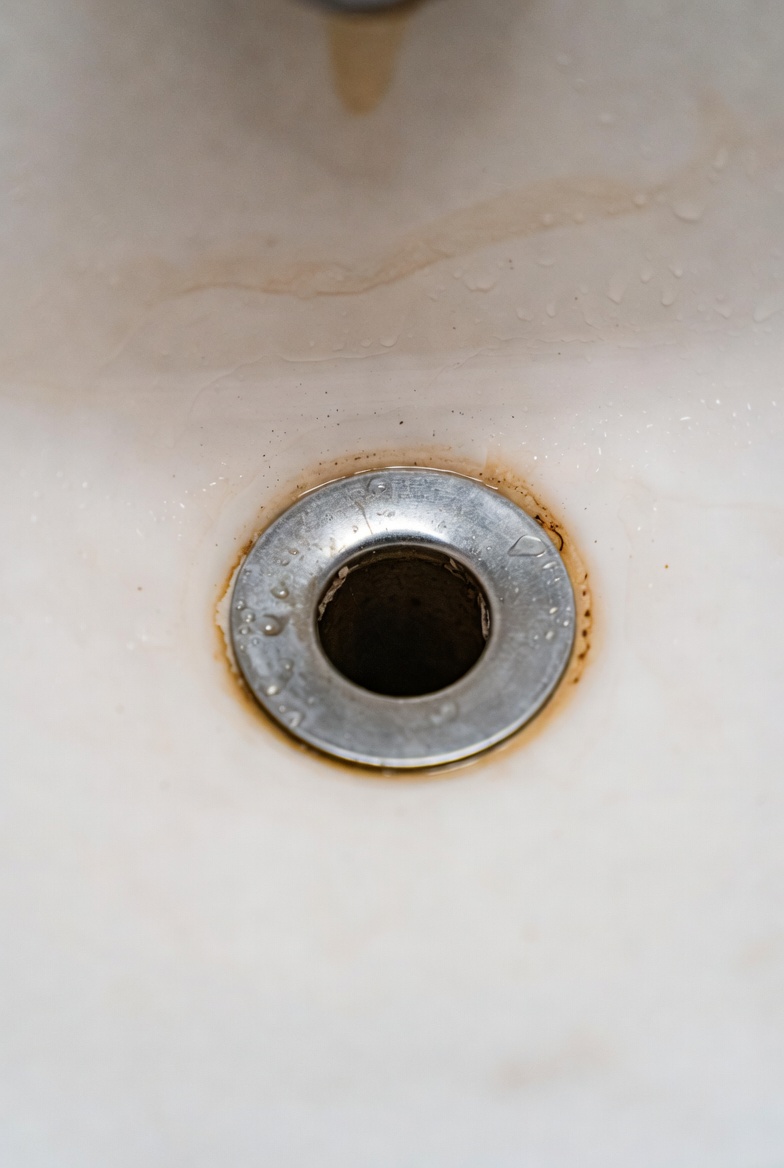
Quick Answer:
If a bad smell keeps coming back on a regular cycle after you clean, it usually means the source isn’t gone — common causes are a partially blocked drain, dry or failing trap seals, bacteria growth in the pipe run, or a venting issue. Follow a few checks and a short log of when the smell returns after cleaning to spot patterns. If basic fixes don’t stop the cycle, call a plumber so the problem isn’t only masked.
Why This Happens
Smells that disappear after cleaning but come back often are usually caused by one or more of these:
- Organic buildup (hair, soap scum, biofilm) further down the line that reactivates.
- Traps that are drying out, cracked, or leaking air around seals so sewer gas gets in.
- P-trap or venting problems that let gases move through unexpectedly, especially if wind or pressure changes affect the vent stack.
- Recent work on plumbing that left trapped water out of place or introduced air gaps.
These conditions allow smells to return on a cycle, especially if something in the line slowly repopulates with bacteria or if water that seals a trap evaporates between uses. If your situation involves a sink, consider that the issue might be specific to that fixture — see Bad smell from bathroom sink drain for fixture-focused checks. If the cycle started after any repairs, consult the note about repairs and odors in Smell after plumbing repair.
Step-by-Step What to Do
1. Record the pattern
Start a short log: note the date and time each time you notice the odor, when you clean, and what cleaning method you used. Keep entries for a few weeks. The timing (every few days, weekly, or after specific events) points to different causes.
2. Check and clear visible traps and drains
- Remove and clean the sink or shower strainers and pop-up assemblies. Use gloves and a brush to remove hair and gunk.
- Flush the drain with hot water for several minutes. If the smell lessens and then returns, the buildup may be deeper in the trap or pipe.
3. Refill and test traps
- Pour a bucket of water down less-used drains to ensure traps are filled and holding water.
- Inspect under sinks for dampness or leaks that could let gases bypass the trap seal.
4. Clean the drain properly (mechanical first)
- Use a small hand auger or a drain snake for hair and solids. Mechanical cleaning removes the organic material that re-colonizes.
- A biological enzyme cleaner can help break down remaining organic residue; follow product instructions and avoid mixing chemicals.
5. Check venting and last-used fixtures
- Listen for gurgling when fixtures are used — that can indicate vent or trap problems.
- Note whether the smell appears after windstorms or when multiple fixtures are used; those patterns suggest venting or sewer-line pressure issues.
6. Review your log and decide next steps
- Use your log to see if the smell returns after a fixed interval (e.g., two weeks) or after certain actions (like running a dishwasher). That helps the plumber diagnose faster.
- If the odor returns despite mechanical cleaning and ensuring traps are full, it’s likely beyond routine maintenance.
What Not to Do
- Do not keep using drain cleaners if the smell keeps returning. Repeated chemical use can damage pipes and only masks recurring problems.
- Don’t ignore persistent sewer-like smells — they can indicate gas or sanitary issues that affect health.
- Avoid dismantling complex fixtures without clear instructions; improper reassembly can cause leaks or trap failures.
When to Call a Professional
Call a licensed plumber if:
- Your log shows the smell returns despite cleaning and traps are verified full.
- There is gurgling, slow drainage in multiple fixtures, or sewage odors in several rooms — these suggest sewer-line or vent-stack trouble.
- You’ve had recent plumbing work and the odor started afterward and doesn’t resolve with simple checks.
A plumber can inspect vents, test for gas entry points, camera the drain lines, and check the sewer connection to find the source more reliably than trial-and-error cleaning.
Safety Notes
- If the smell is strong and persistent and you suspect sewer gas, ventilate the area and avoid open flames—sewer gas can contain combustible or hazardous components in extreme cases. If you feel ill, leave the home and seek medical attention.
- Use gloves and eye protection when handling drains and cleaning chemicals. Follow label instructions for any product used.
- Avoid mixing drain products (acid, bleach, lye) — dangerous reactions can occur.
Common Homeowner Questions
- Why does the odor come back instead of staying gone?
Because the underlying source (biofilm, trapped debris, vent issue, or leak) remains and re-establishes after surface cleaning. - Will running water daily stop it?
Keeping traps filled helps but won’t fix buildup or venting problems that cause recurring smells. - Can I fix this myself?
Basic cleaning and trap checks are DIY; persistent, recurring odors often need a plumber for camera inspection or vent work.
For more related articles, see the Odors Originating from Bathroom Sink Drain hub.