Quick Answer:
A strong sink odor after being away is most often from stagnant water and trapped debris. First, flush the sink several times after long non-use to renew water. If the smell goes away after flushing and cleaning the strainer, you likely solved it. If it does not, follow the step-by-step checks below before assuming a bigger problem.
Why This Happens
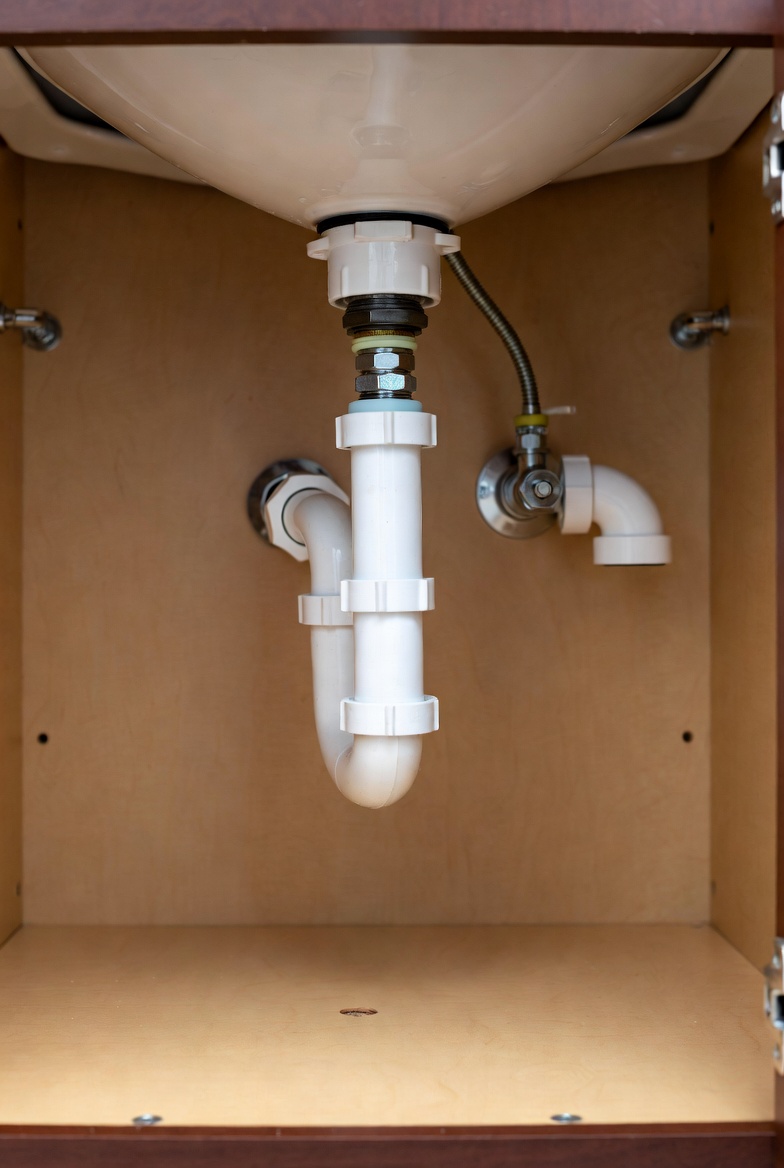
When a sink sits unused for days or weeks, the water in the P-trap can evaporate or become stale. That lets sewer gases and airborne smells move up the drain. Food particles, grease and biofilm inside the drain also break down and produce odors. In some cases the smell is musty or moldy rather than sewage—see Sink smells like mildew for that specific situation.
Step-by-Step What to Do
Step 1 — Run the water and flush the trap
- Turn on the hot and cold taps and run a steady stream of water for 30–60 seconds, then repeat several times. Flush the drain thoroughly to refill and refresh the P-trap.
- Flush any adjacent fixtures (other sinks, bathtub) if they share the same drain line.
Step 2 — Use hot water and mild detergent
- Pour a mixture of hot water and a few drops of dish soap down the drain while running water to help dissolve grease and clear light buildup.
- Follow with another flush of plain hot water.
Step 3 — Clean the stopper or strainer
- Remove and clean the sink strainer or pop-up stopper. Hair, food and soap scum collect here and cause odors.
- Wipe parts with soapy water and rinse before replacing.
Step 4 — Refresh deeper in the drain if needed
- If the smell remains, run the garbage disposal (if present) with cold water and a small amount of dish soap. Grinding ice plus coarse salt can help scour the blades and walls.
- For non-disposal drains, a flush with hot water and repeated rinses can help dislodge film.
Step 5 — Check vents and other drains
- Sometimes the issue is elsewhere—check nearby sinks, floor drains, toilets and the vent pipe on the roof if you can safely inspect it.
- If multiple fixtures smell, the problem may be farther down the line and require professional help.
What Not to Do
- Do not judge the problem before flushing after a vacation.
- Do not mix household chemicals (for example, bleach and ammonia) in the drain—this can create dangerous gases.
- Do not use strong chemical drain cleaners unless recommended by a plumber; they can damage older pipes and make repairs harder.
- Avoid putting your face close to drains to sniff—ventilate the area instead by opening windows or using a fan.
When to Call a Professional
Contact a plumber if:
- The odor persists after running water, cleaning strainers and trying basic flushing steps.
- The smell is clearly sewage (very strong, unpleasant and not reduced by flushing) or comes from multiple fixtures.
- The smell started after new fixtures or pipe work; a professional can check venting and trap connections—see Sink smells after remodel if the issue began after changes.
Safety Notes
- Ventilate rooms with strong odors by opening windows and using fans.
- If you smell natural gas (rotten-egg scent) or a very strong chemical smell, leave the house and call your gas company or emergency services—do not try to diagnose gas issues yourself.
- Do not mix cleaning chemicals. Use mild cleaners and hot water first, and reserve stronger treatments for a professional recommendation.
Common Homeowner Questions
- Q: How long should I run the water after a long trip?
A: Run hot and cold for 30–60 seconds, repeat several times to refill the trap and clear the line. - Q: Will pouring vinegar and baking soda help?
A: A small baking soda/vinegar flush can help remove light buildup, but follow with plenty of hot water and do not mix with other chemicals. - Q: When is the smell an emergency?
A: If you suspect natural gas or the odor is overwhelming and widespread, treat it as an emergency and get out of the house.
For more related articles, see the Odors Originating from Bathroom Sink Drain hub.