Quick Answer:
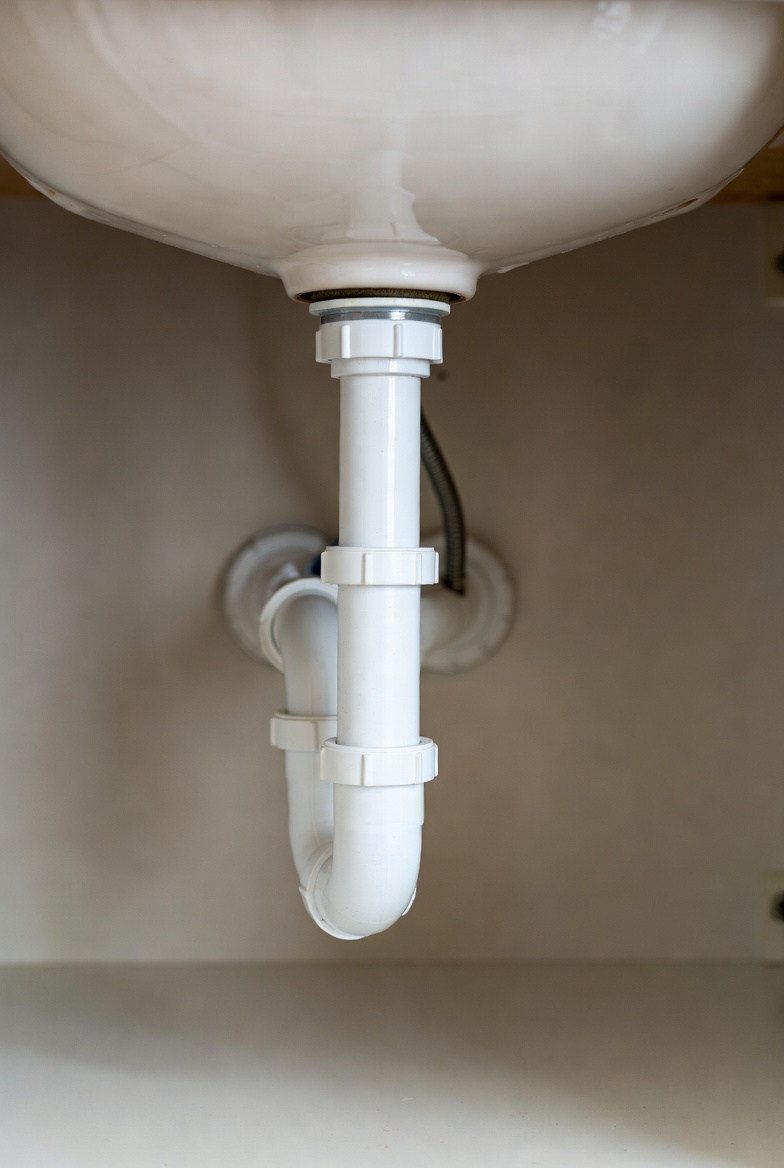
If a sewer-like smell is coming from one sink only, the most common cause is a dry or compromised P-trap at that fixture. First check that the P-trap contains water and hasn’t siphoned dry. If the trap has water but the smell persists, inspect for slow drainage, trapped debris, or a failed vent or valve. Clean the trap and run water to refill it; if the smell continues, call a plumber.
Why This Happens
- P-traps hold water to block sewer gases. If a trap dries, evaporates from lack of use, or is siphoned, gas can enter the room from the drain line.
- Debris, organic matter, or a buildup inside the trap or drain can produce a rotten or sewer-like smell as it breaks down.
- Air admittance valves or vents that are blocked or failing can allow sewer gas to backflow into a single fixture while the rest of the house smells fine. If you notice the odor right after using the sink, check related guidance on Rotten smell after running water.
- Conditions such as temperature and low use can affect how smells show up; some homeowners also notice an Odor worse in winter pattern when drains are used less or vents behave differently.
Step-by-Step What to Do
Step 1 — Confirm the source
- Close the bathroom or kitchen door, open the rest of the house’s faucets briefly, and then focus on the sink with the smell. Put your nose near the drain and also around the cabinet under the sink to see where the odor is strongest.
- Turn off anything that could be producing smells (garbage disposal, dishwasher). This helps confirm the sink drain itself is the source.
Step 2 — Check the P-trap
Check that the P-trap contains water and hasn’t siphoned dry. If the trap is dry, pour one to two cups of water down the drain to refill it and see if the smell stops.
Step 3 — Test for siphoning and leaks
- Run the faucet for a minute and watch under the sink for drips or leaks at the trap joints. Leaks can let the trap lose water over time.
- Flush the drain with water while someone listens for gurgling in nearby fixtures — gurgling can indicate a venting problem or that a trap is being siphoned.
Step 4 — Clean the trap and drain
- Place a bucket under the trap, loosen the slip nuts, and remove the trap to clear out hair, grease, and debris. Clean it with soapy water and a brush, then reassemble. Refill the trap to its normal level.
- If you’re uncomfortable removing the trap, run hot water and a mild liquid dish soap down the drain and use a drain snake to clear organic build-up farther down the pipe.
Step 5 — Check vents and nearby fixtures
- If cleaning and refilling the trap doesn’t help, check other nearby drains for similar smells or slow drainage. A vent obstruction or a blocked sewer line section can cause a single fixture to smell.
- For fixtures with an air admittance valve (AAV), ensure the valve is functioning and not stuck open or cracked. A faulty AAV can let sewer gas into a cabinet even while other vents work.
What Not to Do
- Do not pour harsh chemicals repeatedly if the trap is dry. Strong drain chemicals can be dangerous in confined spaces, may damage plumbing parts, and often won’t fix venting or trap problems.
- Do not remove or reconfigure plumbing you’re not trained to work on — improper reassembly can cause leaks or allow more gas in.
- Avoid ignoring the smell. Persistent sewer odor can indicate a leak or sewer line issue that may worsen over time.
When to Call a Professional
- Call a plumber if the odor continues after you refill the trap and clean the drain.
- Call if you suspect a blocked vent, a cracked trap, persistent gurgling in drains, or if multiple fixtures start to smell.
- Hire a pro immediately if you notice sewage backing up, repeated trap drying despite normal use, or a strong gas smell that makes you feel lightheaded.
Safety Notes
- Sewer gas can contain hydrogen sulfide and other compounds; small amounts usually cause only an unpleasant smell, but high concentrations are dangerous. If you experience nausea, dizziness, or headache, leave the area and get fresh air.
- Wear gloves and eye protection when removing traps or cleaning drains to avoid contact with wastewater and bacteria.
- If you use any cleaning chemicals, follow label instructions and never mix different products (for example, bleach and ammonia). Ventilate the area well.
Common Homeowner Questions
- Q: Will pouring water down the sink fix the smell?
A: Often yes — refilling a dry trap is the quickest fix; pour a cup or two and see if the odor stops. - Q: How quickly can a P-trap dry out?
A: It can take days to weeks depending on use, ventilation, and evaporation; infrequently used sinks dry out faster. - Q: Is a sewer smell dangerous?
A: Small amounts are usually just unpleasant, but strong or persistent sewer gas can be hazardous and should be addressed promptly.
For more related articles, see the Odors Originating from Bathroom Sink Drain hub.