Quick Answer:
If a new smell appears at a sink after recent plumbing work, first check for an open fitting or a dry P-trap. Small mistakes during a repair — a loose drain connection, an empty trap, or an overlooked fitting — are the most common causes and are usually fixable without major work.
Why This Happens
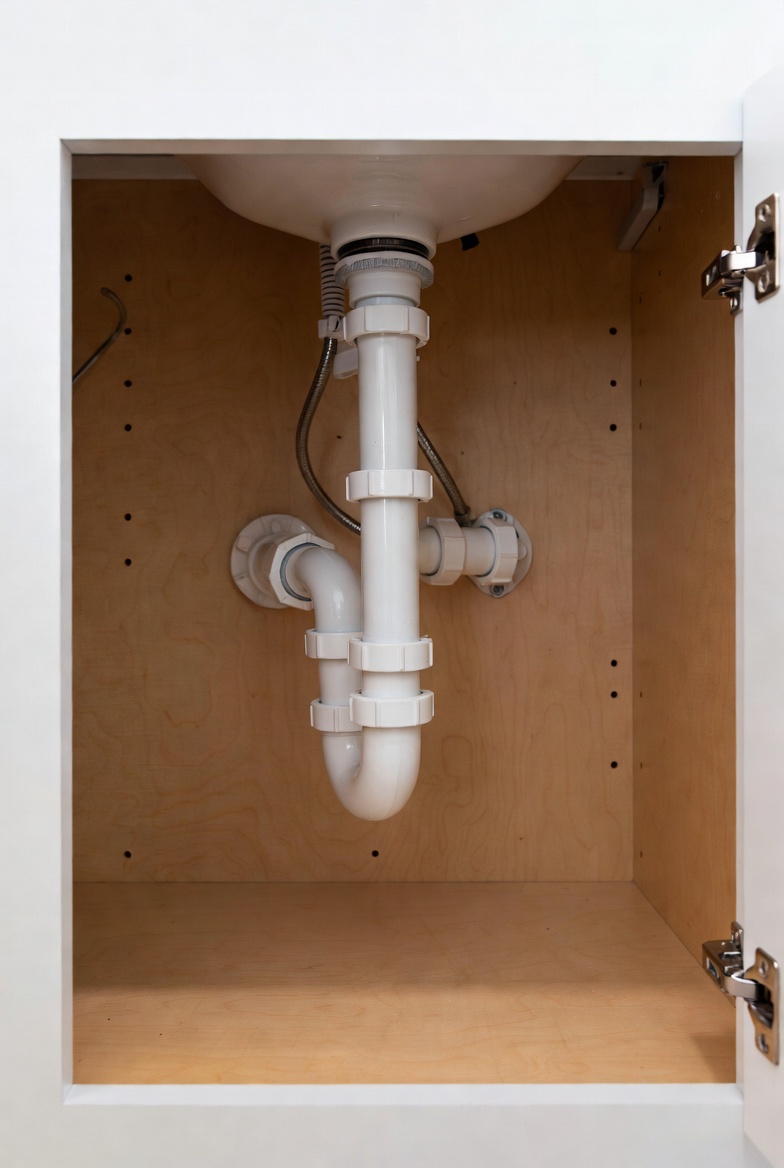
- When a trap (the curved pipe below the sink) is empty or disturbed, sewer gases can come up the drain.
- A fitting left open or a disconnected hose under the sink lets odors escape into the cabinet and the room.
- Work on related parts (dishwasher, garbage disposal, or vent) can affect seals or allow air paths that produce smell.
- Occasionally the odor is coming from the overflow or residual water in the sink rather than a plumbing connection — see Odor from overflow hole for details to check.
Step-by-Step What to Do
1. Smell to confirm and locate
- Stand near the sink and try to pinpoint if the smell is strongest at the drain, under the cabinet, or at a nearby appliance.
- Open cabinet doors and sniff around plumbing joints to localize the source.
2. Look under the sink for open fittings
- Look under the sink for any open fittings left after the repair. Don’t forget to check supply lines, drain connections, and hose clamps.
- Feel for moisture or drips — a small leak often accompanies a loose or poorly seated connection.
3. Check the P-trap and run water
- Run hot and cold water for a minute to refill the trap and flush any lingering gases or debris.
- If the trap is removable and you are comfortable doing so, put a bucket underneath, remove and inspect it for blockages or loose joints, then reinstall securely.
4. Inspect the garbage disposal and dishwasher connections
- Make sure the disposal is seated properly and the dishwasher drain hose is connected and clamped.
- Run the disposal with water to clear trapped food and check whether the smell lessens.
5. Check the overflow and sink surface
- Clean the overflow slot and sink rim; trapped residue can smell. If the odor seems to come from the overflow, review information on Sink smells only at night and related checks for timing and patterns.
- Use a small brush and a mixture of warm water and mild detergent to wipe away buildup.
6. Final verification
- After tightening or reseating any fittings, run water again and recheck for smell and leaks.
- If you found and fixed an open fitting, monitor the area for the next day to ensure the smell does not return.
What Not to Do
- Do not overtighten new fittings trying to stop an odor. Overtightening can crack plastic parts or strip threads, causing bigger leaks.
- Do not mix chemical cleaners in the drain — some combinations are dangerous and can damage pipes.
- Avoid lighting candles or using strong fragrances to mask a smell before locating the source; that hides the problem instead of fixing it.
When to Call a Professional
- Persistent sewer-like smell after you’ve checked fittings, traps, and appliances.
- Visible leaks you can’t isolate or repair safely, or signs of water damage in cabinets or floors.
- If you suspect a venting problem, sewer line issue, or the smell is coming from multiple fixtures.
- If you’re not comfortable disassembling the trap or working under the sink, call a plumber to avoid accidental damage.
Safety Notes
- Turn off water supply valves before disconnecting supply lines or drains to avoid flooding.
- If using gloves or tools, use ones appropriate for plumbing work; protect the cabinet area with a towel or container to catch drips.
- Avoid mixing chemical drain cleaners with other substances; if a chemical has been used recently, ventilate the area and follow label safety instructions.
- If you smell a strong rotten-egg odor (natural gas), leave the house and contact your gas company — this is not a drain issue and requires immediate attention.
Common Homeowner Questions
- Why did the smell start right after the repair?
A small loose or open fitting, or a dry/shifted P-trap, is the most common immediate cause. - Can I fix this without a plumber?
Often yes — locating and reseating a fitting or refilling the trap fixes it. Call a pro if you find leaks you can’t stop or if the smell persists. - How long before the smell goes away after fixing it?
If the source is corrected, the smell should fade within minutes to a few hours as trapped air clears and affected surfaces are ventilated.
For more related articles, see the Odors Originating from Bathroom Sink Drain hub.