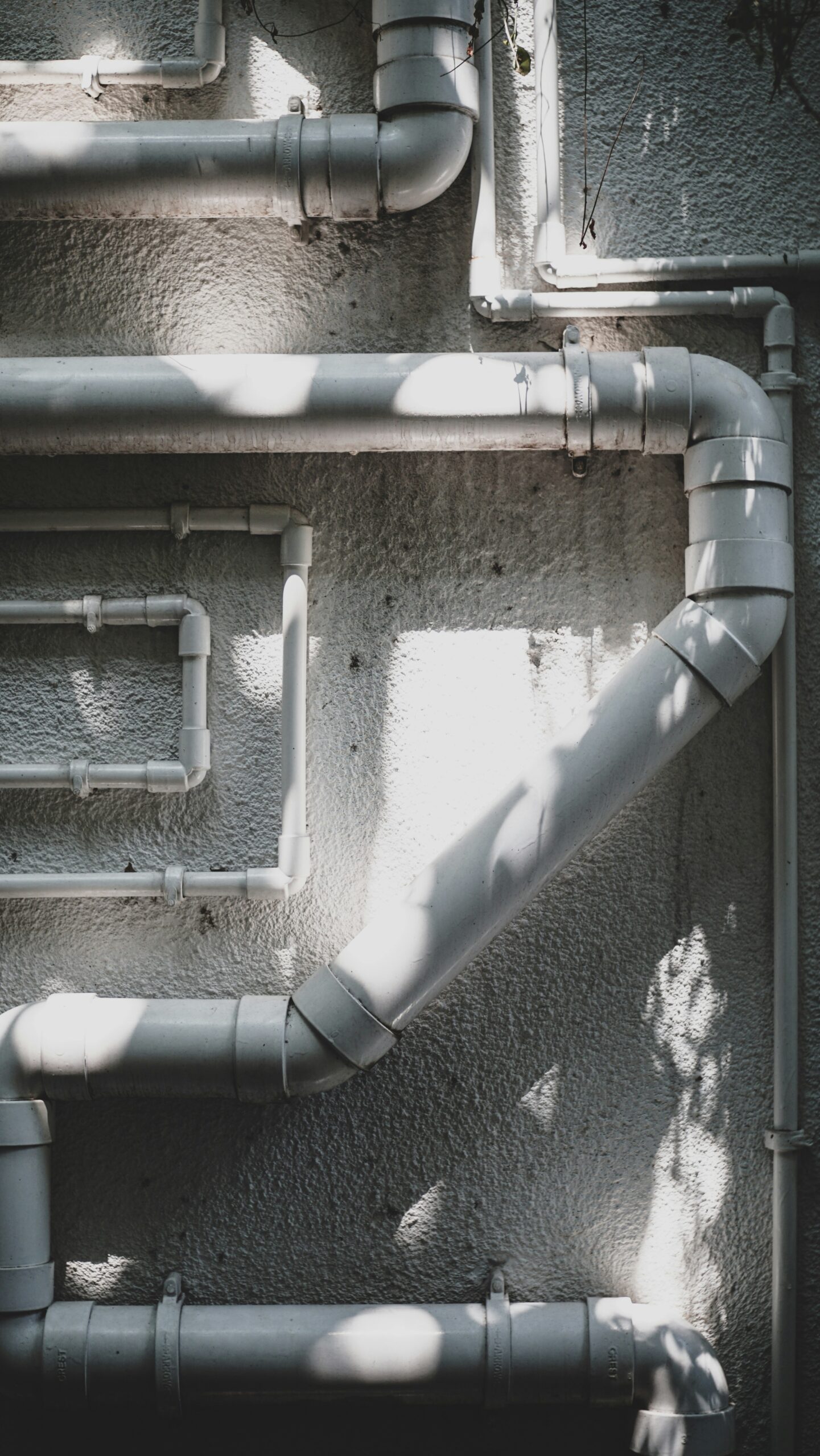
This hub covers low or unstable water pressure that starts after plumbing repairs or changes. It includes problems after replacing a main shutoff, reconnecting a meter, installing a filter, repiping, or swapping a fixture or shower valve.
After repairs, pressure issues are often caused by partially closed valves, trapped debris, air in lines, or a component that was installed incorrectly. For broader context, see Water Pressure Behavior & Regulation.
After valve, shutoff, or meter work
Issues that begin when main controls are operated, replaced, or when the meter is reconnected.
-
Pressure low after main shutoff replacement
A new shutoff may not be fully open or debris can be trapped after replacement; check the valve position and flush the service to clear obstructions.
-
Pressure problems after valve change
Replacing a valve can introduce flow restrictions if the wrong type or orientation was used, or if it’s only partially open; verify installation and open the valve fully.
-
Pressure unstable after curb stop use
Operating the curb stop can introduce air or dislodge debris, causing intermittent pressure; bleeding the line and confirming the curb stop is correctly positioned often restores stability.
-
Pressure loss after reconnecting meter
Meter reconnection can leave service valves closed or allow debris into the meter or strainer; confirm valves, flush the meter, and check for obstructions.
After heater, backflow, or smart shutoff installs
Pressure changes tied to appliance or device installations that sit on the supply line.
-
Low pressure after water heater install
New heater plumbing, mixing valves, or inlet strainers can restrict flow; check shutoffs, strainers, and any added thermostatic or mixing components.
-
Pressure reduced after backflow install
Backflow preventers can reduce flow if sized incorrectly or partially closed; verify orientation, full opening, and that test ports or strainers aren’t clogged.
-
Pressure issues after smart shutoff install
Smart shutoffs may not open fully during setup or add flow restriction; check device settings, ensure it’s in the open state, and confirm plumbing connections.
After repiping or pipe replacement
Problems that start when sections of pipe are replaced or the system is repiped.
-
Pressure loss after repiping
New piping can change diameter or introduce debris and partially closed valves; check for wrong-sized sections, trapped debris, and confirm all valves are open.
-
Pressure uneven after pipe replacement
Uneven pressure may come from air pockets, routing changes, or local restrictions; bleed lines and test fixtures to isolate the affected branch.
After fixture, filter, or shower valve replacement
Pressure effects that follow changing a fixture, adding a filter, or swapping a shower valve.
-
Pressure loss after installing new filter
Filters add resistance and can be clogged or installed with bypass closed; confirm correct installation and flush the unit per instructions.
-
Pressure loss after new shower valve
New shower valves and cartridges sometimes include flow limits or are not fully opened; check anti-scald settings, cartridge type, and valve position.
After city work, inspection, or winterization
Pressure changes following municipal work, inspections, or seasonal shutdowns.
-
Pressure dropped after city line work
City repairs can alter service pressure or leave debris in the line; contact the utility and follow any recommended flushing procedures for the service.
-
Pressure changed after inspection
Inspectors may have operated valves or isolated systems during a visit; verify all service and internal valves were returned to their normal positions.
-
Pressure problems after winterization
Winterization can leave air in lines or close service valves; open and bleed systems carefully and check for frozen or damaged sections once systems are warmed.
After cleaning, DIY, or bypass changes
Pressure changes that appear after maintenance, DIY plumbing, or removing bypass loops.
-
Pressure low after drain snaking
Drain work normally doesn’t affect supply, but moving plumbing or dislodging debris can reveal inlet restrictions; check inlet screens and valve positions.
-
Pressure low after DIY plumbing
Amateur work can leave fittings undersized or valves partly closed; inspect connections, confirm correct pipe sizes, and ensure valves are fully open.
-
Pressure loss after bypass removal
Removing a bypass changes flow paths and may expose a restriction in the remaining route; verify the main path is clear and all valves are set for full flow.
All Articles in This Cluster
- Pressure low after main shutoff replacement
- Pressure problems after valve change
- Pressure unstable after curb stop use
- Pressure loss after reconnecting meter
- Low pressure after water heater install
- Pressure reduced after backflow install
- Pressure issues after smart shutoff install
- Pressure loss after repiping
- Pressure uneven after pipe replacement
- Pressure loss after installing new filter
- Pressure loss after new shower valve
- Pressure dropped after city line work
- Pressure changed after inspection
- Pressure problems after winterization
- Pressure low after drain snaking
- Pressure low after DIY plumbing
- Pressure loss after bypass removal