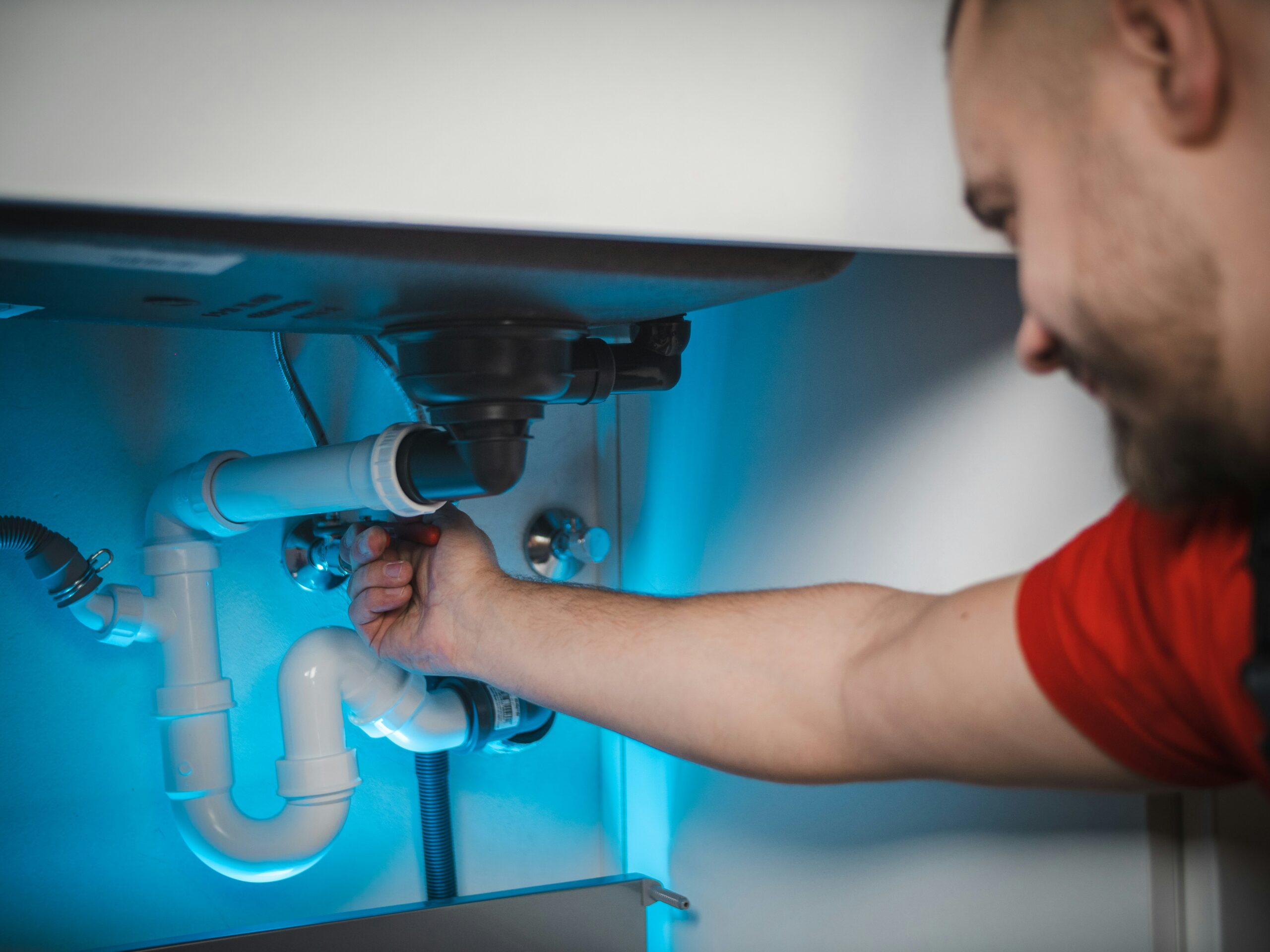
Check for an emergency first
Keep away from wet electrical equipment. Do not touch wet appliances, plugs or switches, or enter water to reach a breaker. When no gas leak is suspected, power may be isolated only from a safely accessible dry location; otherwise call an electrician or emergency help. Wet equipment needs qualified assessment before it is used again.
A recently installed shutoff that leaks, sticks or fails to isolate should be reported to the installer with the exact symptom. Early failure can involve different installation, part or operating conditions; age alone does not prove debris or poor workmanship. Preserve the original valve and work record where practical.
Useful details to record
- Product/model, connection type, installation date and installer record.
- Whether the issue is a joint leak, body/stem leak, operation or inability to stop flow.
- Original pressure or commissioning results and any other changed components.
What the pattern can tell you
- A joint leaks. Its sealing and assembly method needs assessment; a sealant is not appropriate for every joint.
- The handle is stiff or slipping. Stop forcing it. That does not prove a particular internal defect.
- Several new parts have problems. Tell the installer and assess the shared installation/supply conditions before replacing them repeatedly.
What to do next
- Contact the installer promptly. Use a known safely accessible upstream isolation for an active leak when possible without force, or request urgent assistance.
- Before any internal service or fitting removal, identify and isolate every supply that can pressurize the section, release trapped pressure through the appropriate controlled outlet and verify depressurization. Account for hot water and possible alternate feeds. Lowering a PRV setting, reducing flow or wearing gloves does not make a pressurized assembly safe to open. If isolation cannot be established, leave it assembled and obtain qualified help.
- Keep the supply isolated while the valve, bonnet, filter cover or supply connection is open. Fully reassemble the actual rated components before restoring pressure under the product instructions. Do not briefly reopen upstream water into an exposed pipe, removed valve or unretained assembly while aiming at a bucket; towels and eye protection do not establish discharge control. Any required construction flushing needs an appropriate secured arrangement and the actual procedure.
- Verify the exact stop is suitable for the actual pipe, joint, water service, pressure/temperature and operating use. Do not assume nominal size, a different handle style or a generic extra wrench turn ensures compatibility.
- Keep the evidence for any warranty/service request and ask what finding supports repair, replacement or source correction. Do not clear a newly fitted valve by removing it and reopening upstream flow into a bucket.
- Have final reconnection, leakage and intended isolation checked under the actual instructions. Avoid unsupported lifespan promises or a generic replacement-time estimate.
Should every new stop be flushed by opening the bare supply before installation?
Do not follow that as a household recipe. If construction flushing is required, the installer must use the actual prescribed secured arrangement and discharge control. The line must not be restored with unfinished, removed or unretained parts.
Related situations
- Valve failure after water heater install
- Under-sink valve frozen in place
- Shutoff Valves That Will Not Fully Close