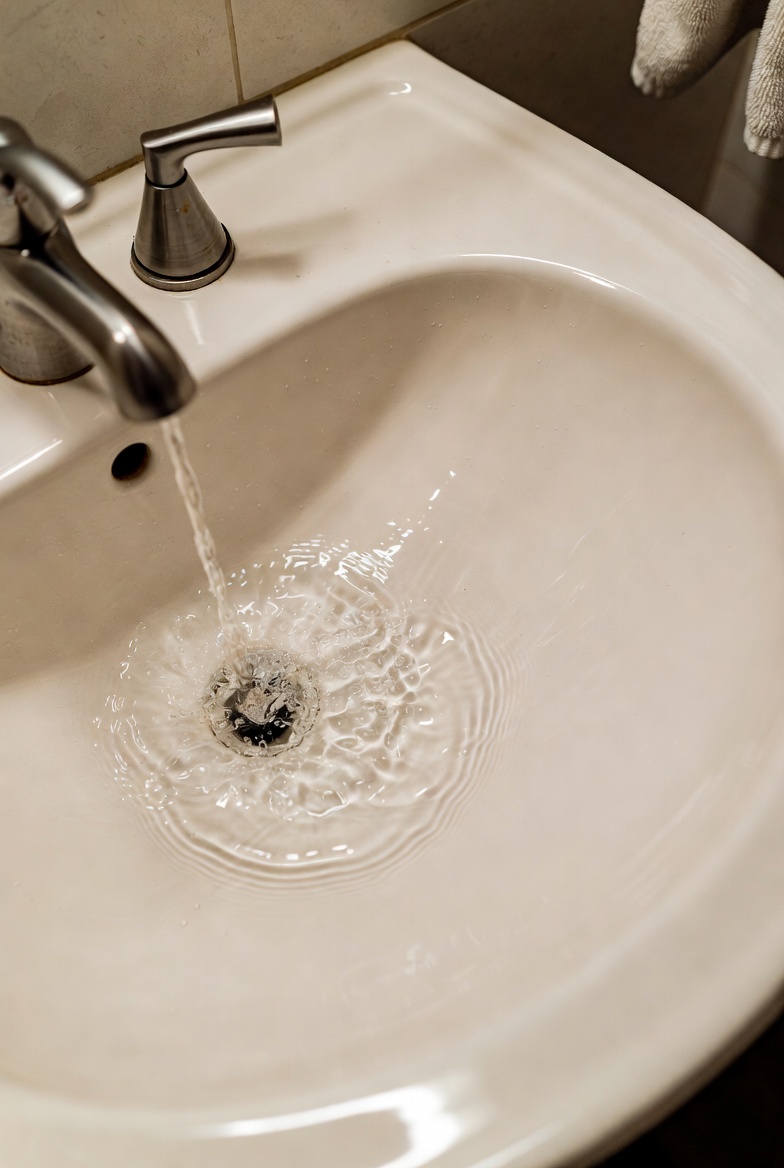
This hub covers problems with bathroom sink pop-up stoppers and their linkage mechanisms. Issues here can cause constant leaks, partial blockages, or a stopper that won’t open or close correctly. Use the groups below to match the stopper behavior you’re seeing and jump to likely causes and straightforward fixes.
Related category: Bathroom Sink Mechanics & Drainage
Stopper won’t open or close properly
Problems in this group describe stoppers that won’t seat, won’t open, or move unpredictably.
-
Pop-up stopper won’t close
Common causes include misaligned linkage, a warped stopper, or debris preventing a seal; the article walks through checking alignment and adjusting the pivot rod.
-
Stopper stuck in open position
Describes how to access the linkage and free a stuck pivot or refill rod, and when the stopper itself may need replacement.
-
Pop-up drain won’t open
Covers causes for a drain that stays closed, including seized linkage, incorrect lift rod adjustment, or obstructions under the stopper.
-
Pop-up won’t stay down
Explains loose set-screws, worn pivot clips, or a misadjusted vertical rod that allow the stopper to pop back up unexpectedly.
-
Pop-up jammed after cleaning
Steps for diagnosing jams that occur after disassembly, including reassembly errors, missing parts, and trapped debris in the linkage.
Linkage and rod failures
These articles focus on the mechanical parts under the sink that transmit motion from the lift rod to the stopper.
-
Linkage disconnected under sink
Shows how to locate a disconnected clevis or pivot and how to reconnect parts safely without over-tightening or stripping threads.
-
Stopper rod broken
Discusses identifying a fractured rod, temporary fixes to restore function, and when to replace the rod or entire linkage assembly.
-
Linkage bent after repair
Covers signs a rod or clevis has been bent during a repair and how to straighten or replace parts to restore smooth operation.
-
Linkage rusted through
Notes corrosion patterns that compromise strength, how to assess replaceable components, and corrosion-resistant options for replacements.
Leaks and partial blockages
This group covers leaks caused by stopper assemblies and cases where the stopper obstructs flow.
-
Stopper leaks water constantly
Explains how a poor seal, damaged gasket, or misaligned seat can allow water to pass and what to inspect before replacing parts.
-
Stopper blocks drain partially
Describes common partial obstructions from buildup on the stopper or in the drain opening and basic cleaning methods to restore flow.
-
Pop-up assembly leaking
Walks through locating leak sources in the assembly, sealing connections, and tightening fittings without damaging finishes.
-
Stopper clogged with hair
Practical steps for removing hair and debris from the stopper and trap, plus prevention tips to reduce recurrence.
Post-install or intermittent failures
Issues here appear after new installations or show intermittent symptoms that are hard to reproduce.
-
Stopper spins freely
Explains causes like a stripped pivot or loose retaining clip and how to secure the stopper so it transmits lift and seal force correctly.
-
Stopper works only sometimes
Describes intermittent linkage contact, loose fasteners, and how to test the mechanism to pinpoint a flaky connection.
-
Stopper fails after faucet install
Outlines installation steps that can disturb linkage alignment and how to check clearances and reattach components after a faucet change.
All Articles in This Cluster
- Pop-up stopper won’t close
- Stopper stuck in open position
- Pop-up drain won’t open
- Pop-up won’t stay down
- Pop-up jammed after cleaning
- Linkage disconnected under sink
- Stopper rod broken
- Linkage bent after repair
- Linkage rusted through
- Stopper leaks water constantly
- Stopper blocks drain partially
- Pop-up assembly leaking
- Stopper clogged with hair
- Stopper spins freely
- Stopper works only sometimes
- Stopper fails after faucet install