Quick Answer:
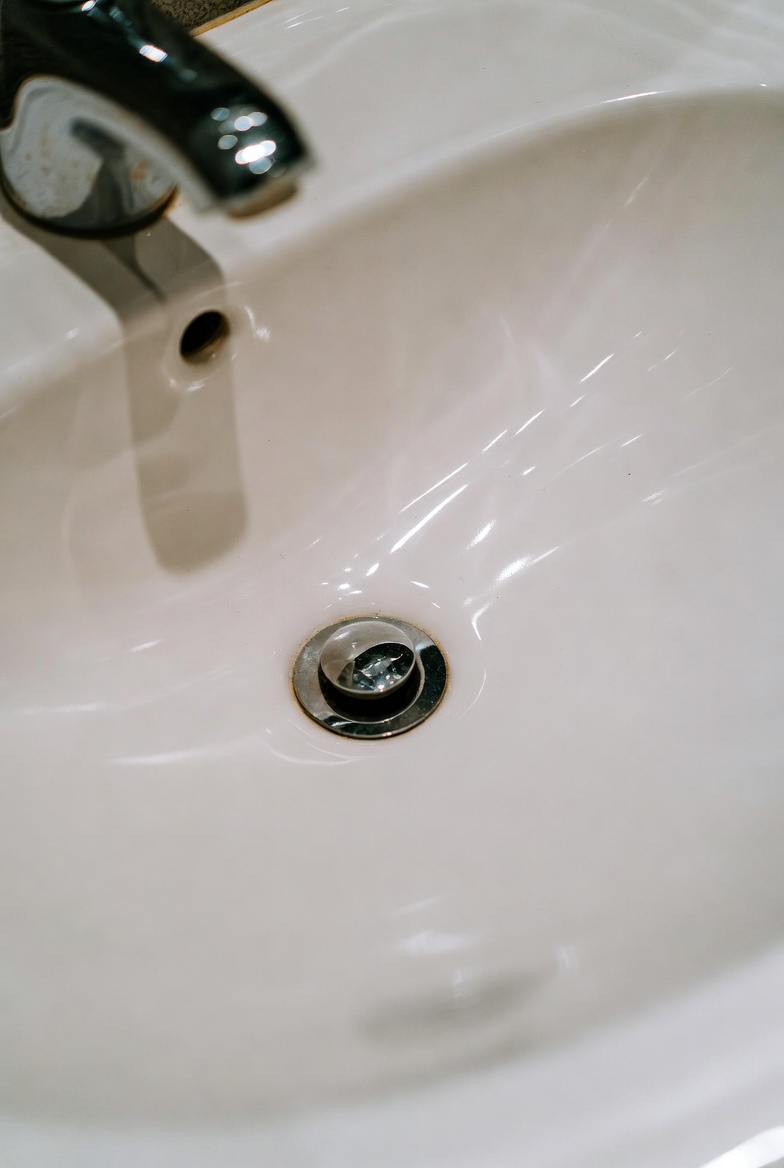
If your pop-up stopper is sticking after cleaning, most often there is leftover grit or a small piece of debris trapped against the drain seat or the pivot linkage. Rinse the drain seat carefully to wash away debris, then reassemble and reinstall the stopper so it sits and moves correctly.
Why This Happens
When you clean a drain, scale, soap scum and bits of hair or grit can get pushed into the drain seat—the tapered area the stopper rests on. Those particles can wedge between the stopper and seat or jam the pivot linkage under the sink. Sometimes the pivot rod or linkage is slightly bent or corroded, which prevents smooth movement and makes the stopper feel stuck. Check the visible parts for simple problems before assuming the seat itself is damaged.
Step-by-Step What to Do
1. Prepare and protect the area
- Put a bucket or bowl under the sink to catch water and small parts.
- Wear nitrile or latex gloves and eye protection if you work under the sink.
- Have a towel nearby to protect the sink finish if you remove the stopper.
2. Remove the stopper if possible
Most pop-up stoppers lift out after you disconnect or loosen the pivot rod under the sink. Move the stopper to the open position, then locate the pivot rod connection and remove the retaining nut. Pull the stopper up and out. If the stopper won’t come out, do not force it—proceed cautiously to the next step.
3. Rinse debris from the drain seat
With the stopper removed, run warm water into the sink and direct a steady stream down the drain seat to wash away grit and soap scum. Use a soft cloth or a soft-bristled brush to wipe around the seat’s edge—do this gently. Continue rinsing until the seat looks clean and water flows freely without resistance.
4. Inspect and clean the stopper
- Look for hair, hardened soap, or mineral deposits on the stopper skirt and pivot area.
- Rinse the stopper under warm water and work any debris loose with your fingers or the soft brush.
5. Reinstall the stopper correctly
Guide the stopper back down the drain so the pivot arm lines up with the hole in the stopper. Reattach the pivot rod and tighten the retaining nut just enough to hold it—don’t overtighten. Operate the lever to cycle the stopper open and closed a few times, making sure it seats evenly and seals as it should.
6. Test and fine-tune
- Fill the sink slightly, then close the stopper to check for smooth movement and a proper seat.
- If it still sticks, loosen the pivot nut a bit and adjust the linkage height, then retest.
- If the stopper doesn’t seal well after cleaning, this can point to worn parts or a problem with the seat surface.
What Not to Do
- Do not scrape aggressively inside the drain seat; it can damage sealing surfaces.
- Don’t force the stopper out if it resists—forcing can bend linkage or break components.
- Avoid pouring strong chemical drain cleaners into the sink while you’re working; they can splash and cause injury or damage finishes.
When to Call a Professional
Call a plumber if:
- You suspect the metal seat or sink casting is damaged or corroded.
- The pivot or linkage is broken or has Linkage rusted through, making a secure repair difficult at home.
- After cleaning and reinstalling, the stopper still won’t seat or the sink leaks and you can’t align the parts.
If the stopper won’t seal even after cleaning and adjustment, the issue may be related to the sealing surface or the stopper shape—see the section below on related problems like Sink stopper not sealing.
Safety Notes
- Turn off any under-sink water shutoffs if you need to disconnect plumbing parts.
- Use eye protection to guard against splashes, and wear gloves to protect skin from grime and possible cleaners.
- If you use tools under the sink, work slowly to avoid dropping or damaging parts. If chemical cleaners have been used recently, ventilate the area and avoid working in the sink until residue is flushed away.
Common Homeowner Questions
- Why won’t the stopper come out after I loosen the pivot? — Sometimes debris or a bent pivot keeps it in place; try cycling the linkage gently while pulling up, or rinse the seat first.
- Can I use a wire to dig out debris from the seat? — No, don’t poke or scrape deeply; use water and a soft brush to avoid damaging the seal.
- How do I know if the seat is damaged? — Visible gouges, an uneven tapered surface, or persistent leaks after cleaning usually indicate damage and a plumber should inspect it.
For more related articles, see the Pop-Up Stopper & Linkage Failures hub.