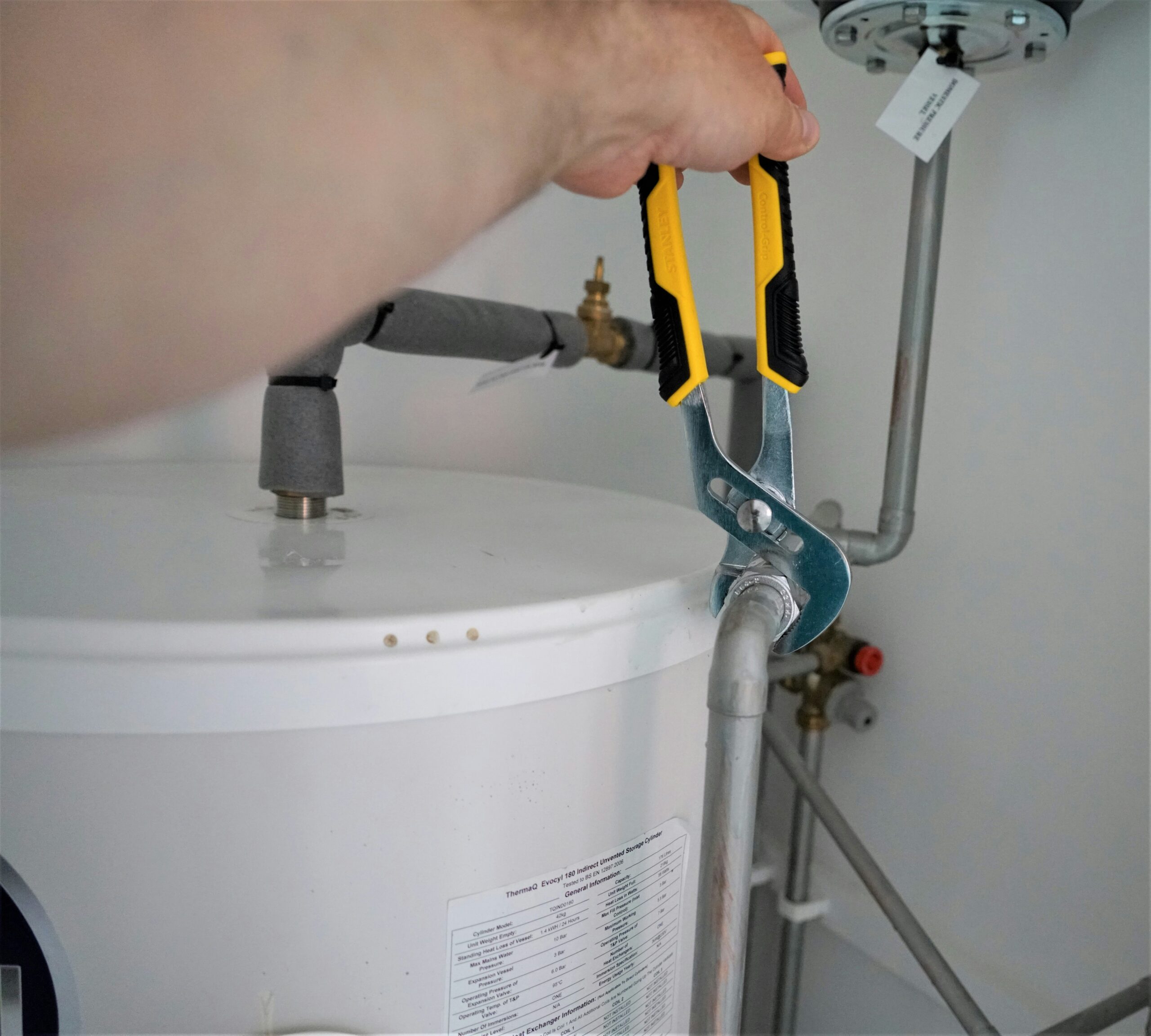
This hub covers pressure changes caused by thermal expansion—when water heats up and expands in a closed plumbing system. It often shows up as pressure building while the water heater runs, relief valves dripping, or hot-only pressure spikes. Use the groups below to match what you’re seeing and open the article that fits.
Pressure rises during heating cycles
Articles in this group focus on pressure that climbs while the water heater runs or after extended hot use.
-
Pressure rises when water heater runs
Explains why system pressure climbs during normal water heater operation and what readings to watch for.
-
Water heater causes system over-pressure
Describes how thermal expansion can push a closed system past safe pressure limits and common warning signs.
-
Pressure relief opens after heating cycles
Looks at relief valve operation tied to heating cycles and how to tell if the valve is responding to expansion.
-
Pressure builds overnight when heater runs
Addresses slow overnight pressure increases linked to extended water heater use and how to narrow the cause.
-
Pressure increases after long hot shower
Focuses on short-term spikes following long hot-water draws and whether the expansion tank is behaving correctly.
Hot-only spike patterns
These pieces help when cold-water pressure is normal but issues appear only with hot water.
-
Pressure spikes only on hot water
Outlines diagnostic steps to confirm hot-only pressure spikes and likely causes inside the hot-water loop.
-
Pressure normal cold but high when hot
Explains how trapped expansion or missing tank capacity can produce normal cold and elevated hot pressures.
Relief valve drips and hammering
Symptoms here commonly indicate thermal expansion pressures affecting valves and piping.
-
Thermal expansion causing relief valve drip
Shows why relief valves may weep or drip when expansion raises system pressure and what to inspect first.
-
Thermal expansion causes hammering pipes
Describes how rapid pressure changes from expansion can cause water hammer and where it typically appears.
-
Thermal expansion causing toilet fill leaks
Explains how pressure pulses from expansion can force fill valves to leak and what to check in the tank assembly.
Expansion tank condition and sizing
These articles cover waterlogged, failed, leaking, or undersized expansion tanks and their symptoms.
-
Thermal expansion tank waterlogged symptoms
Identifies common signs of a waterlogged tank and simple checks to confirm loss of the air cushion.
-
Expansion tank failed causing high pressure
Discusses how a failed tank can allow unchecked pressure rises and when replacement is appropriate.
-
Expansion tank leaking from air valve
Covers leaks at the tank’s air valve, what they indicate about internal failure, and basic troubleshooting steps.
-
Expansion tank undersized problems
Explains how an undersized tank fails to absorb thermal volume and the pressure behaviors that result.
Installation and retrofit issues
Problems that arise from incorrect installation or changes to the plumbing system are described here.
-
Expansion tank installed wrong
Highlights common installation mistakes that reduce an expansion tank’s effectiveness and how to spot them.
-
Thermal expansion after system retrofit
Reviews how retrofits or new backflow devices can create closed systems with unexpected expansion issues.
Further reading on broader pressure behavior and regulation is available at the sub-category hub: Water Pressure Behavior & Regulation
All Articles in This Cluster
- Pressure rises when water heater runs
- Water heater causes system over-pressure
- Pressure relief opens after heating cycles
- Pressure builds overnight when heater runs
- Pressure increases after long hot shower
- Pressure spikes only on hot water
- Pressure normal cold but high when hot
- Thermal expansion causing relief valve drip
- Thermal expansion causes hammering pipes
- Thermal expansion causing toilet fill leaks
- Thermal expansion tank waterlogged symptoms
- Expansion tank failed causing high pressure
- Expansion tank leaking from air valve
- Expansion tank undersized problems
- Expansion tank installed wrong
- Thermal expansion after system retrofit