After a smart shutoff trips, address the reason for the shutoff before resetting it. Closing a supply valve does not by itself empty a separate drain trap. An odor after the event may reflect a pre-existing drain problem, a long period without use, or a separate water-quality or gas concern.
Checks that fit this situation
Preserve the alert and check for an unresolved leak
Keep the event time, alert reason, and any installer service record. From a safe location, note visible water or a continuing alarm. Do not override leak protection, force a valve open, disable an automatic safety feature, or re-enable supply merely to see whether odor changes. Follow the actual maker’s recovery instructions after the underlying problem is resolved.
Confirm what this particular installation controls
Some systems supply a separate trap primer; others have no such connection. Ask the installer to identify the design. Do not assume that every smart valve contains an automatic drain or a primer reservoir. A supply leak at a valve is not itself a normal route for sewer gas.
Assess a low-use drain as a separate symptom
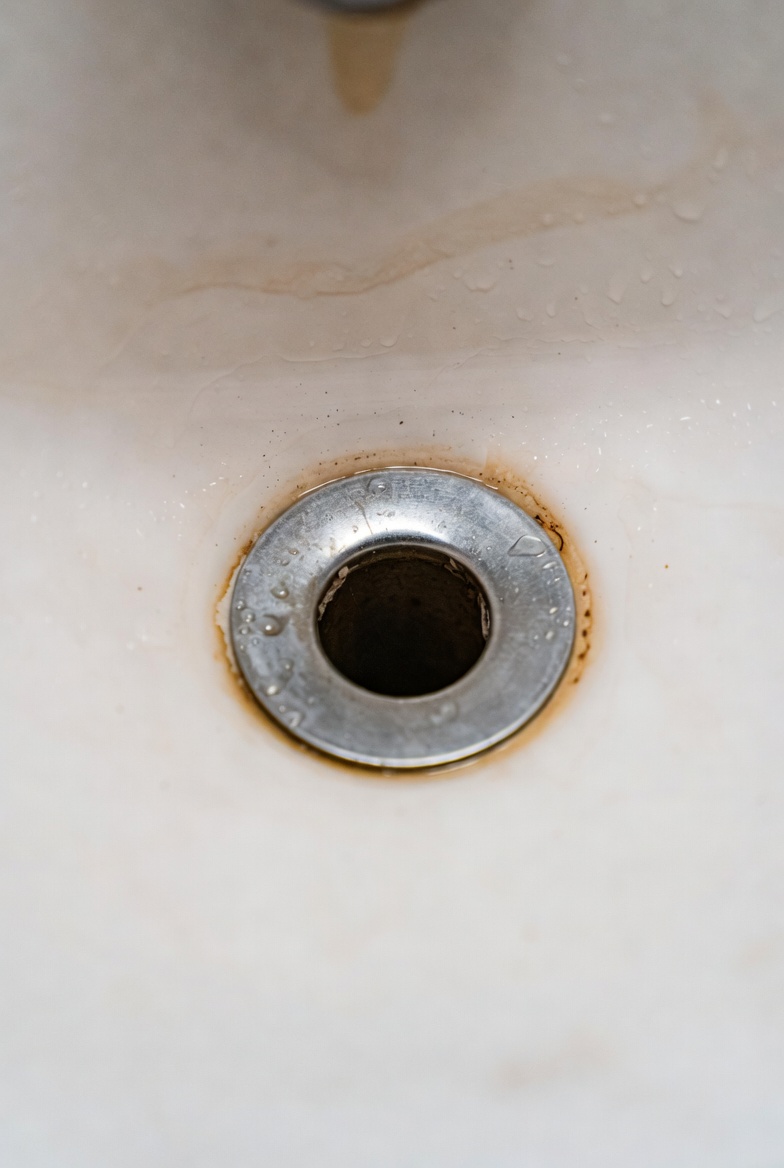
Only after the area is safe: if this is a known floor drain that accepts water normally, add clean room-temperature water slowly through the grate. Stop if the level rises, water leaks, or odor increases. Do not pour a large bucket into a slow or unidentified opening. Water visible below the grate can be the normal trap seal; a hidden water surface does not by itself prove that the trap is dry. Record whether water was off for a short event or an extended absence, and whether the odor existed before it. If the seal repeatedly disappears, have a plumber inspect the trap and any actual primer. Matching timestamps can guide that inspection; they do not prove that the smart device caused the odor.
Stop points
Do not open sewer cleanouts, remove unknown caps, unseal sewage-ejector lids, enter pits or confined spaces, or climb to roof vents. Do not sniff closely at drains or switch fans on to reproduce an odor. Leave chemicals, smoke testing, and drain/vent repairs to appropriate professionals. Persistent or returning odor needs a plumber even if adding water helped temporarily.
Questions for this scenario
Should I reset the device repeatedly?
No. Repeated trips or an unexplained alert need the manufacturer’s support process or a plumber. Do not trade flood protection for an odor experiment.
Can I add water while the main is off?
Only to a known, normally draining trap in a safe area, using an appropriate known-safe water source and respecting any utility restriction. That does not resolve the reason for a leak shutoff.
Choose the next related guide
For the complete decision guide, see Sewer Gas Smell from Floor Drains.
Sources and equipment instructions
These sources support the safety precautions and plumbing principles above. They do not diagnose this particular home. Use the actual equipment model’s instructions; ask a qualified professional about concealed piping, vents, primers, and gas appliances.