Quick Answer:
If you see an oily film after doing plumbing work, it’s usually excess thread sealant, plumber’s grease, or tool residue on fittings that washed into the sink or drain—not the pipe dope flowing through your water supply. First steps: stop using the affected fixture briefly, Inspect under-sink fittings for excess pipe compound. Then flush and wipe down exposed pipes and clean the aerator. If the film persists after cleaning and flushing, follow the steps below.
Why This Happens
- Thread sealants and pipe dope are often paste-like. If too much is applied or it smears on the outside of fittings, water running over the joint can carry a thin oily film into the fixture.
- Plumber’s grease used on valve stems or faucet cartridges will also leave a slippery or greasy feel on water and surfaces.
- Residue from tools, hands, or rags can be transferred to pipes during work and washed into your sink or aerator.
- If you notice the issue only on certain taps or after specific jobs, it’s far more likely to be surface residue than something inside the plumbing system. See related notes about unusual water feel like Water feels slippery only on hot side and Water feels greasy after winterization for other causes and comparisons.
Step-by-Step What to Do
1. Stop using the fixture briefly
Shut off that tap and avoid running hot water for a few minutes while you inspect. This prevents more residue from spreading and lets you work safely under the sink.
2. Inspect under-sink fittings
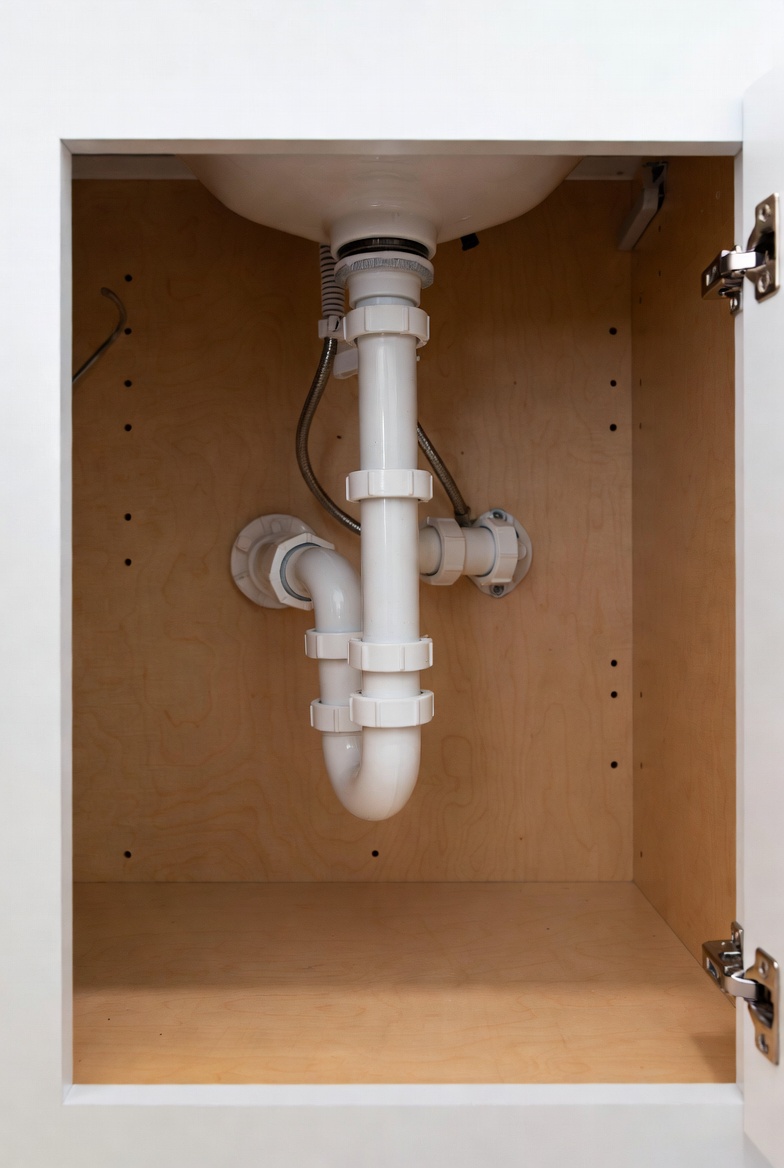
Inspect under-sink fittings for excess pipe compound. Look for visible paste or smear around threaded joints, compression fittings and valve stems. If you see excess, wipe it away with a disposable rag and a small amount of mineral spirits on the rag if needed (use gloves and ventilate the area).
3. Remove and clean the aerator
- Unscrew the faucet aerator and inspect for oily film or particles.
- Rinse the aerator under running water and soak briefly in warm soapy water, then scrub with a soft brush.
- Reinstall and run the water to see if the film clears.
4. Flush lines
Open the hot and cold taps fully and run water for several minutes to flush loose residue from the faucet and immediate supply lines. Check both hot and cold to localize the issue.
5. Clean exposed fixtures and wipe down pipes
- Wipe down visible supply lines, valves and fittings. Use disposable towels; oily rags should be stored in a metal container with a lid until disposal.
- If a light solvent is needed for sticky compound, use mineral spirits sparingly and ensure good ventilation. Do not pour solvents down drains.
6. Check appliances and downstream devices
Inspect dishwasher, ice maker and water filter connections for smeared compound or loose fittings. Replace any clogged filters or cartridges if oil reached them.
7. Test after cleaning
After cleaning and flushing, test water for smell or film. If water is clear and tastes normal, the issue was likely surface residue.
What Not to Do
- Do not leave excess pipe compound on fittings.
- Do not pour solvents or cleaners into the drain to try to dissolve oily film; that can harm plumbing and septic systems and create hazardous waste.
- Do not ignore persistent oil or foul taste—if it continues after cleaning and flushing, get help.
When to Call a Professional
- Visible oily film or taste remains after you’ve cleaned aerators, flushed lines and inspected fittings.
- You find oil in hot water only and it returns quickly after flushing—this could indicate an issue with the water heater or a heat-related lubricant migration requiring a plumber.
- If you’re not comfortable disassembling aerators, valves or appliance connections, call a licensed plumber to avoid damaging parts or introducing contaminants.
Safety Notes
- Turn off water at the shutoff valves before working under the sink to avoid leaks and injury.
- Wear gloves and eye protection when using mineral spirits or handling rags with sealant on them.
- Dispose of oily rags and solvent-soaked materials in a sealed metal container according to local hazardous-waste rules—do not leave them in a pile where they can self-ignite.
- Avoid strong chemical drain cleaners to remove oily residue; they won’t fix surface contamination and can damage fixtures and pipes.
Common Homeowner Questions
- How long should I flush the tap? — Run water for 3–5 minutes; if the film returns, repeat after cleaning aerator and fittings.
- Will pipe dope contaminate my drinking water? — Properly applied thread sealant on the outside of fittings should not enter the water; excess on the outside can cause temporary film but is not the same as internal contamination.
- Can I use household cleaners to remove the oil? — Mild soap and warm water are fine for aerators and surfaces; avoid pouring solvents down the drain and use mineral spirits only on external surfaces, with proper precautions.
Related Articles
If you’re troubleshooting a similar symptom, these guides may help:
For the full directory, see Oily Sheen, Slick Feel, or Soapy-Like Water.