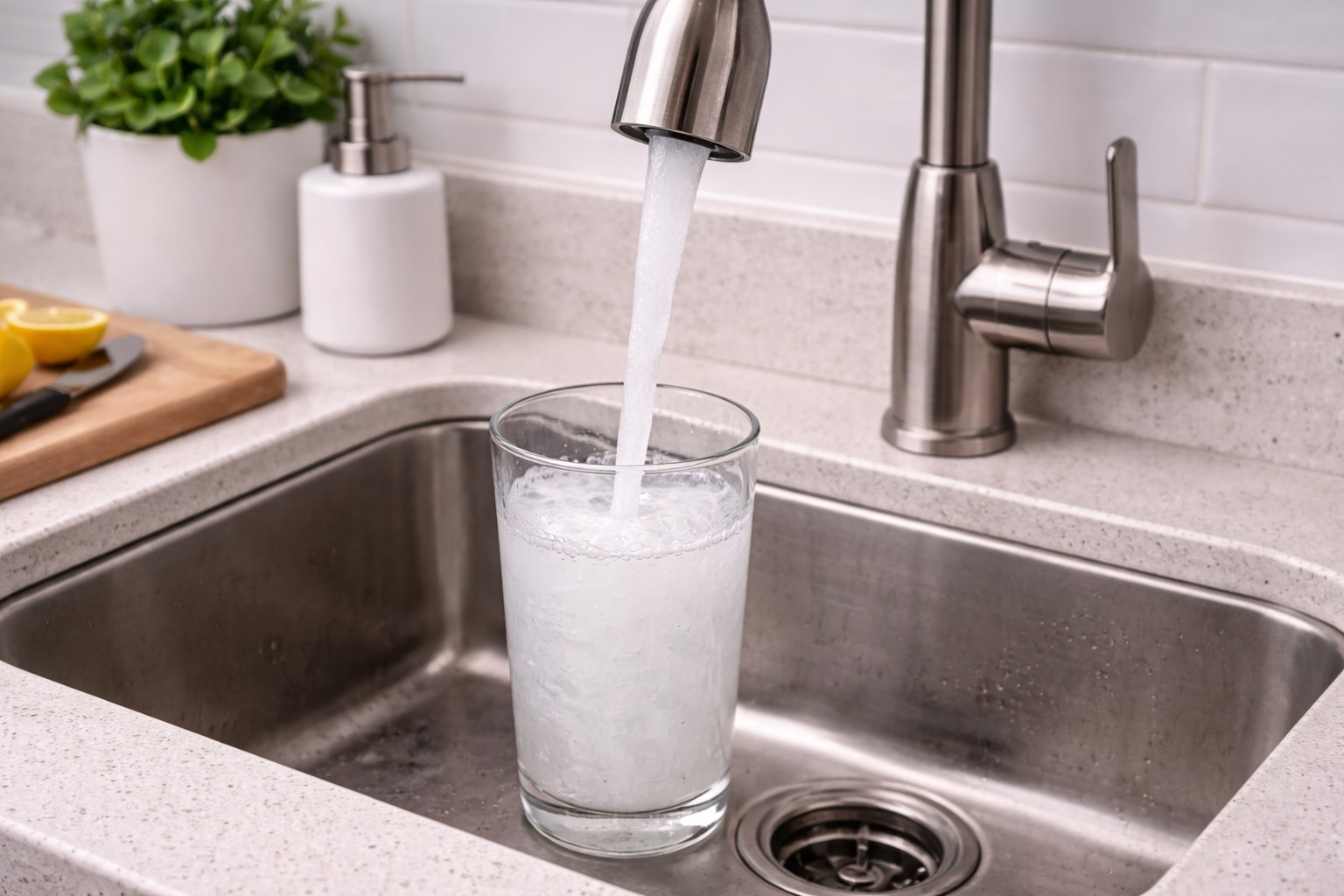
This hub covers water that feels slick, oily, or soapy—like it leaves a rainbow film, feels slippery on your skin, or looks like a sheen in a toilet bowl or tub.
These changes often show up after city work, plumbing repairs, pressure changes, outages, filter replacement, or after a long period of no use. Sometimes it’s limited to hot water or one bathroom.
Use the groups below to match where you notice the slick feel and what changed recently, then open the closest article title.
More on Water Contamination, Taste & Odor.
Slick feel and oily sheen basics
Short overviews of what a slippery or oily-feeling water might mean and how to start checking the supply.
-
Water feels slick or oily
Explains common causes for a slick or oily sensation and simple checks to help narrow whether the issue is supply-wide or localized to plumbing or fixtures.
-
Water leaves rainbow film
Describes the appearance of rainbow or oily films in bowls and tubs and lists likely sources such as oils, surfactants, or biofilms.
Where you notice sheen or feel
Issues that are limited to a particular fixture or area often have different causes than homewide problems.
-
Soapy feel in shower water
Focuses on shower-specific causes like mixed-valve issues, soap residue, and fixture biofilm that make water feel soapy.
-
Oily sheen in toilet bowl
Explains why a sheen might appear in the toilet bowl, from oils rinsed down drains to septic or treatment issues.
-
Oily sheen in bathtub only
Looks at causes when the bathtub alone shows a sheen, including local buildup, residual bath products, or plumbing branch issues.
-
Slick water in upstairs bathroom
When only an upstairs bath feels slick, this covers branch piping, mixing valves, and localized contamination possibilities.
-
Oily film in washing machine
Addresses oily films appearing in the washer, often from clothing residues, lubricants, or interactions with soaps and softeners.
Hot-only and heater-related slickness
Slickness that affects only hot water usually points to the water heater or hot-side plumbing.
-
Water feels slippery only on hot side
Discusses how heater-related deposits, anode rod chemistry, or trapped residues can make hot water feel slippery while cold water is normal.
-
Slick water after water heater install
Covers common post-install issues like manufacturing oils, flushing needs, and short-term changes after a new water heater is put in.
After changes or events
Slick or soapy-feeling water that starts after specific events often results from disturbed deposits or temporary chemistry shifts.
-
Slick feel after city repair
City mains work can dislodge sediment and biofilm; this article explains why slickness may appear and initial flushing steps.
-
Oily residue after plumbing work
Plumbing repairs can introduce lubricants or mobilize deposits—covers what to expect and how to clear lines safely.
-
Slick feel after pressure change
Pressure shifts can move settled material through pipes; guidance focuses on flushing and monitoring until the supply clears.
-
Soapy water after outage
Refilling and repressurizing lines after an outage can alter water appearance or feel; this covers likely short-term causes and checks.
-
Oily film after filter replacement
Filter changes sometimes allow trapped particles through initially; this explains proper flushing and when to expect improvement.
-
Soapy feel after smart shutoff trip
Smart shutoffs can trap and then release debris when reset; steps include flushing and inspecting affected fixtures.
After winterization or long downtime
Stagnation and winterization can leave residues or change water character once lines are used again.
-
Water feels greasy after winterization
Describes how stagnant lines or winterization products can cause a greasy or slick feel and how to flush and evaluate safety.
Soapy taste clues
Taste combined with a slick feel points to certain contaminants or treatment interactions worth testing for.
-
Soapy taste in tap water
Summarizes likely sources when water tastes soapy as well as feeling slick, and outlines basic steps for testing and reporting.
All Articles in This Cluster
- Water feels slick or oily
- Water leaves rainbow film
- Soapy feel in shower water
- Oily sheen in toilet bowl
- Oily sheen in bathtub only
- Slick water in upstairs bathroom
- Oily film in washing machine
- Water feels slippery only on hot side
- Slick water after water heater install
- Slick feel after city repair
- Oily residue after plumbing work
- Slick feel after pressure change
- Soapy water after outage
- Oily film after filter replacement
- Soapy feel after smart shutoff trip
- Water feels greasy after winterization
- Soapy taste in tap water