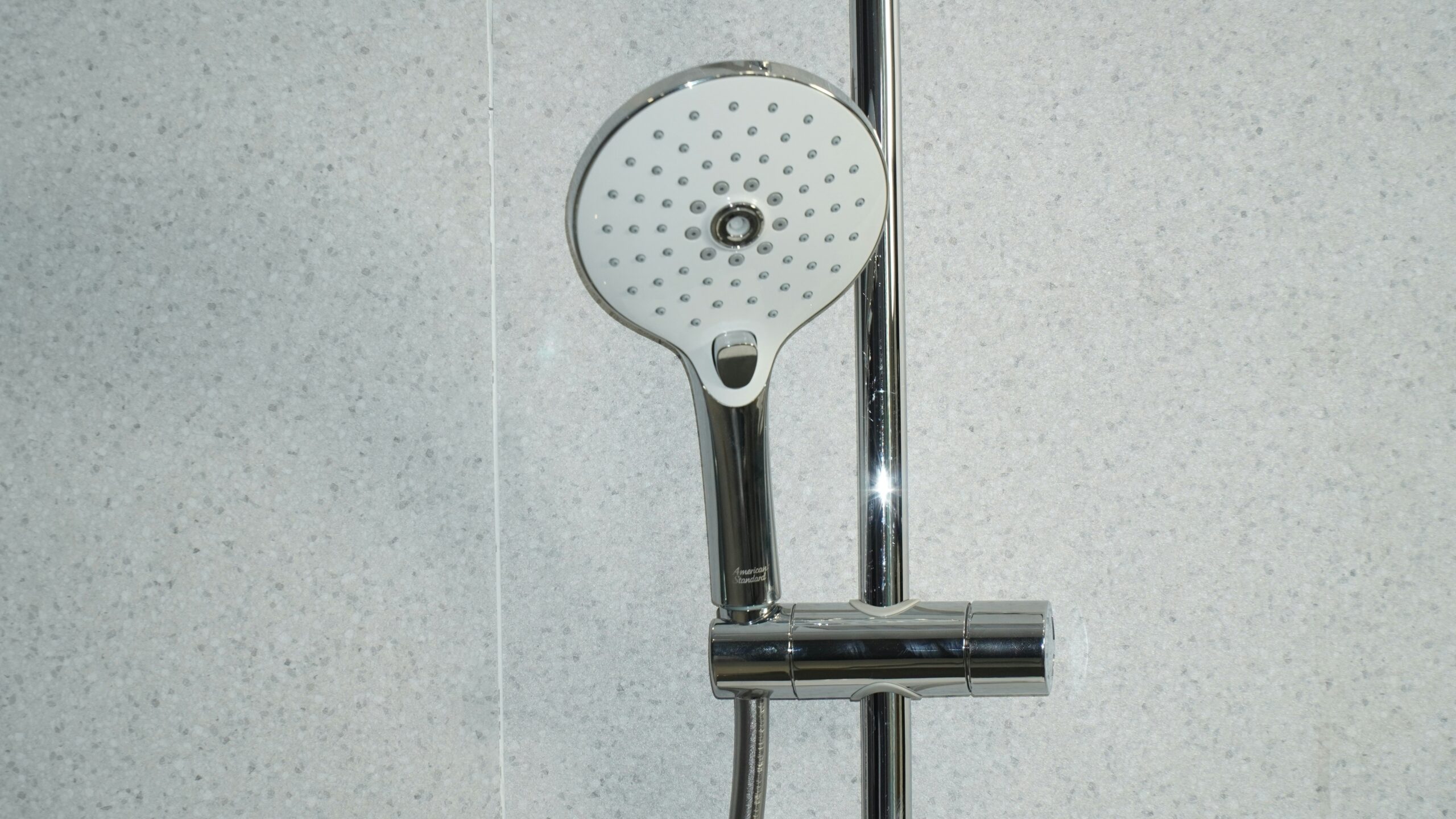
Bottom Line Up Front A soapy or slippery feel in shower water is usually from soap/shampoo residue in the showerhead, softened water changing how skin oils interact, or a thin organic film (biofilm) in pipes — not a major contamination. Start by rinsing the showerhead thoroughly and testing water directly from the riser. If the slickness persists after cleaning and flushing, check your water softener or call your water provider/plumber to rule out supply issues.
Common Causes Shower water feeling slick or soapy without added soap typically stems from residue, water chemistry changes, or minor buildup in the plumbing system. The most frequent culprits include:
- Soap or shampoo residue — Buildup in the showerhead or pipes can rinse into the flow, leaving a slippery film.
- Water softener effects — Softened water (high sodium) interacts differently with skin oils and soap, often creating a slick feel even when no soap is used.
- Organic films or biofilms — Microbial growth inside older or infrequently used pipes can produce a slippery sensation (sometimes with a faint odor).
- Recent water heater or plumbing work — Sediment, oils, or disturbed organics released during repairs/installs can temporarily cause slick water (see related Slick water after water heater install).
- Supply or household factors — Changes in municipal water treatment, well water shifts, or oily residue from other fixtures (like Oily sheen in toilet bowl) can affect multiple outlets.
If the feel is only in the shower, it’s likely local (showerhead/pipes). If it affects multiple fixtures, look at the water supply or softener.
Tools & Materials You’ll Need
- White vinegar (for soaking/cleaning showerhead)
- Bucket or bowl (to soak parts)
- Old toothbrush or small brush (for scrubbing)
- Flashlight (to inspect pipes/heater area)
- Safety gloves and glasses (for handling residue or hot water)
Step-by-Step Troubleshooting & Fixes
Step 1: Clean the Showerhead Thoroughly
- Turn off water and remove the showerhead (unscrew or use adjustable wrench if needed).
- Soak it in warm vinegar (1:1 water/vinegar mix) for 30–60 minutes to dissolve soap/mineral buildup.
- Scrub with a toothbrush, rinse well, reinstall, and run hot/cold water.
- Test the feel — if it improves, the showerhead was the main culprit.
Step 2: Test Water Directly from the Riser
- Remove the showerhead again.
- Run water (start cold, then hot) and cup a small stream from the riser/arm.
- Feel for slickness without the showerhead in place.
- If slickness disappears → issue is in the showerhead.
- If it persists → problem is upstream (pipes, heater, supply).
Step 3: Check Other Fixtures
- Run cold/hot taps in sink, tub, or other showers.
- Note if slickness appears elsewhere.
- Local to shower → fixture/pipes.
- Multiple fixtures → supply or softener issue.
Step 4: Flush Lines & Test Softener
- Run cold water for 5–10 minutes to flush pipes.
- If hot water is the problem, run hot taps to flush heater (follow manufacturer flush instructions).
- If you have a water softener, bypass it temporarily and re-test shower water.
- Improvement after bypass → softener is contributing to the feel.
Step 5: Note Additional Symptoms
- Check for discoloration, unusual odors, or skin irritation.
- These escalate urgency — document them for a plumber if needed.
Mistakes to Avoid
- Don’t add more soap/shampoo to “fix” the feel — it worsens buildup.
- Don’t taste water to check contamination.
- Don’t pour harsh chemicals down drains or into heater without pro guidance.
- Don’t ignore if multiple fixtures are affected — points to supply problem.
When to Call a Professional Plumber
- Slick feel persists after cleaning showerhead, flushing lines, and bypassing softener.
- Multiple fixtures affected, water discolored/odorous, or skin irritation occurs.
- Problem started after water heater/plumbing work and flushing doesn’t resolve it — contact the contractor/utility.
- Suspect supply contamination or major pipe issues you can’t diagnose safely.
Safety First
- Test hot water slowly from riser to avoid scalding.
- Wear gloves when handling potentially dirty showerheads or residue.
- Stop use immediately if strong chemical smells, burning sensation, or visible leaks appear — call emergency/utility.
- This is general DIY guidance — plumbing varies; consult a licensed pro when in doubt.
Readers Also Ask Why does my skin feel slippery but soap doesn’t lather well? Softened water or certain minerals can change soap/skin interaction, creating a slick feel without good suds.
Is it safe to keep showering? Usually yes short-term if no odor, discoloration, or irritation — stop and test further if symptoms worsen.
Will flushing the water heater help? Often yes — removes sediment/organics causing slickness; follow manufacturer flush steps.
Related Articles If you’re troubleshooting similar symptoms, these guides may help:
- Water feels slick or oily
- Oily sheen in toilet bowl
For the full directory, see Oily Sheen, Slick Feel, or Soapy-Like Water.
Disclaimer: This content is for informational purposes only and not a substitute for professional plumbing advice. Attempting repairs can cause damage or injury—proceed at your own risk and call a licensed plumber when in doubt.