Quick Answer:
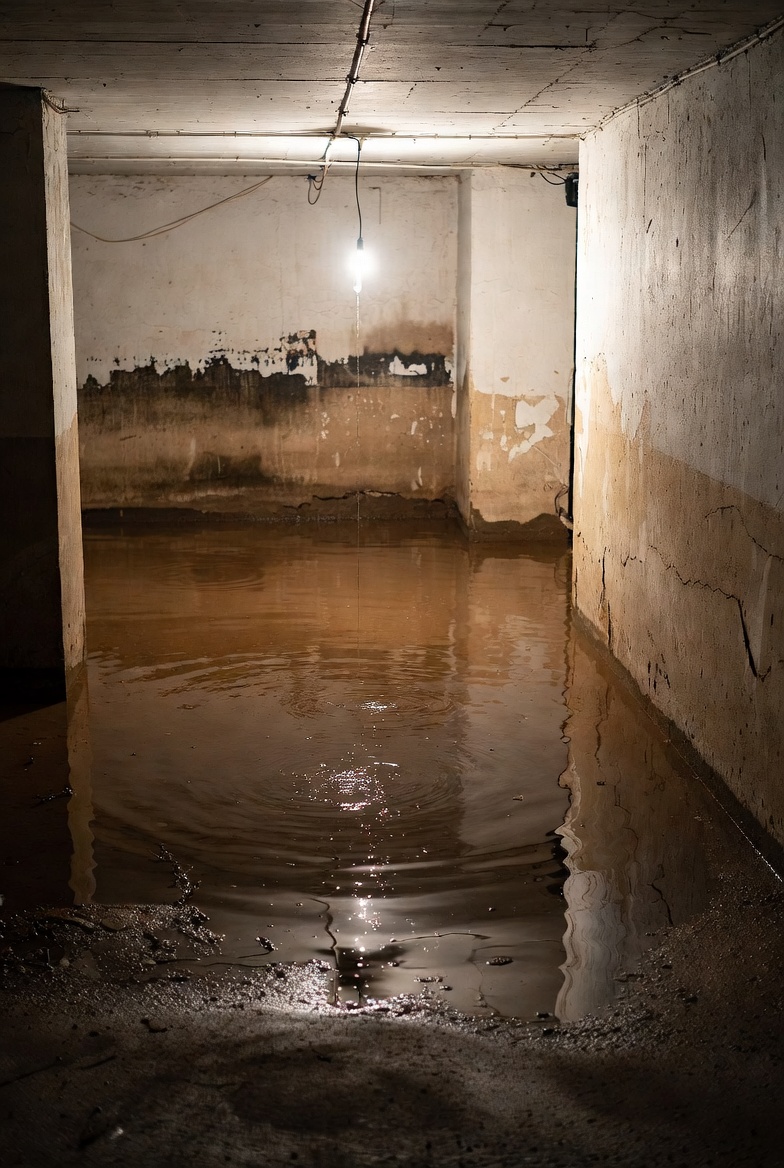
If you find water in the basement while bringing the plumbing back to life after winter, act slowly and look for where the water first appears. Shut the main if the leak is large, then follow a careful inspection routine: open exterior spigots and indoor shutoffs slowly and watch fittings, inspect exposed piping and under-sill areas for splits or cracks, and check the sump and floor drains for thaw runoff.
Why This Happens
Pipes that froze over winter can crack or split as ice thaws and pressure shifts. Isolation valves, hose bibs and fittings that were closed for winter can also leak when reopened. Water that melts out of frozen pockets may run to the lowest spot — often the basement floor, floor drains, or the sump — so a small break up in a wall or under a sill can produce a surprising puddle below.
For similar scenarios, homeowners sometimes see related issues like flooding after vacation when a long absence hides a slow problem, or sudden flow problems when they are flooding after turning water back on.
Step-by-Step What to Do
1. Stop or slow the flow
- If water is pouring in, shut the main off immediately to limit damage.
- If the leak is small, avoid slamming the main shut; you will need water to test and locate the source, so consider leaving it closed until you have containment in place.
2. Open exterior spigots and indoor shutoffs slowly
- Turn each exterior spigot and indoor shutoff a quarter-turn or slowly to the open position and watch fittings and hose bibs for any weeps or drips.
- Slow opening reduces pressure shock and helps reveal slow leaks without blasting water through a weakened joint.
3. Inspect exposed pipes and under-sill areas
- Look along exposed copper and plastic lines for signs of split copper, cracked plastic, or fresh corrosion and wet insulation at sills and joist ends.
- Pay attention to under-sill areas, pipe runs near exterior walls, and places where pipes pass through framing — these are common freeze points.
4. Run the main slowly and watch where water first appears
- With someone watching, open the main valve gradually. Have a helper walk the basement and ground floor to see where water shows up first; that tells you the general location of the problem.
- Use towels, buckets and a moisture meter if you have one to capture and confirm wet areas as you proceed.
5. Check the sump and floor drains for thaw runoff
- Thawed ice and trapped water often run to the sump or floor drains. Make sure they aren’t clogged and that water arriving there is from thawing rather than a new burst under the slab.
- If the sump is pumping constant cold water after you open the system, note the volume and shut the main if the flow is excessive until a pro can assess.
6. Contain, dry and document
- Move items out of standing water, sop up with towels, and set up buckets under active drips. Remove soaked insulation if easy and safe to do so; wet insulation traps moisture and hides damage.
- Take photos for insurance if damage is significant. Drying quickly reduces mold risk.
What Not to Do
- Don’t rush to fully open the main at full pressure — sudden high flow can force a small crack to fail catastrophically.
- Don’t use open flame or very high heat on walls or hidden pipes to thaw frozen sections; that risks fire or damaging materials.
- Don’t delay calling a pro when you find soaked insulation, suspect a burst in a confined area, or the leak appears inside framed walls after thawing.
When to Call a Professional
- When the leak is behind finished walls or inside framed cavities and you can’t see the source.
- If insulation, ceiling cavities, or structural wood is saturated or you see widespread water spread.
- When you find a large burst, cannot control the flow by shutting the main, or if the leak is near electrical panels or wiring.
- When you need permanent repairs to cracked copper, damaged plastic pipe, or replacement of isolation valves and fittings.
Safety Notes
- Turn off electricity to flooded areas before wading into water or touching wet equipment. Water plus live circuits is a serious risk.
- Avoid climbing on soaked floors or joists that may be weakened. Work from stable ground.
- Use gloves and eye protection when handling wet insulation or debris. Mold can start in 24–48 hours on damp materials.
Common Homeowner Questions
- Q: How quickly should I shut the water off? A: Immediately if the leak is large; if it’s minor, close the main slowly after preparing containment so you can locate the source.
- Q: Can I thaw frozen pipes with a hair dryer? A: You can use a hair dryer on exposed pipes cautiously, but avoid high-heat devices on hidden pipes and never use open flame.
- Q: Will soaked insulation always need replacement? A: Often, yes—wet insulation loses insulating value and can harbor mold, so plan to replace it if it has been thoroughly soaked.
More in this topic
For more related fixes and similar symptoms, see Intermittent Basement Flooding Events.