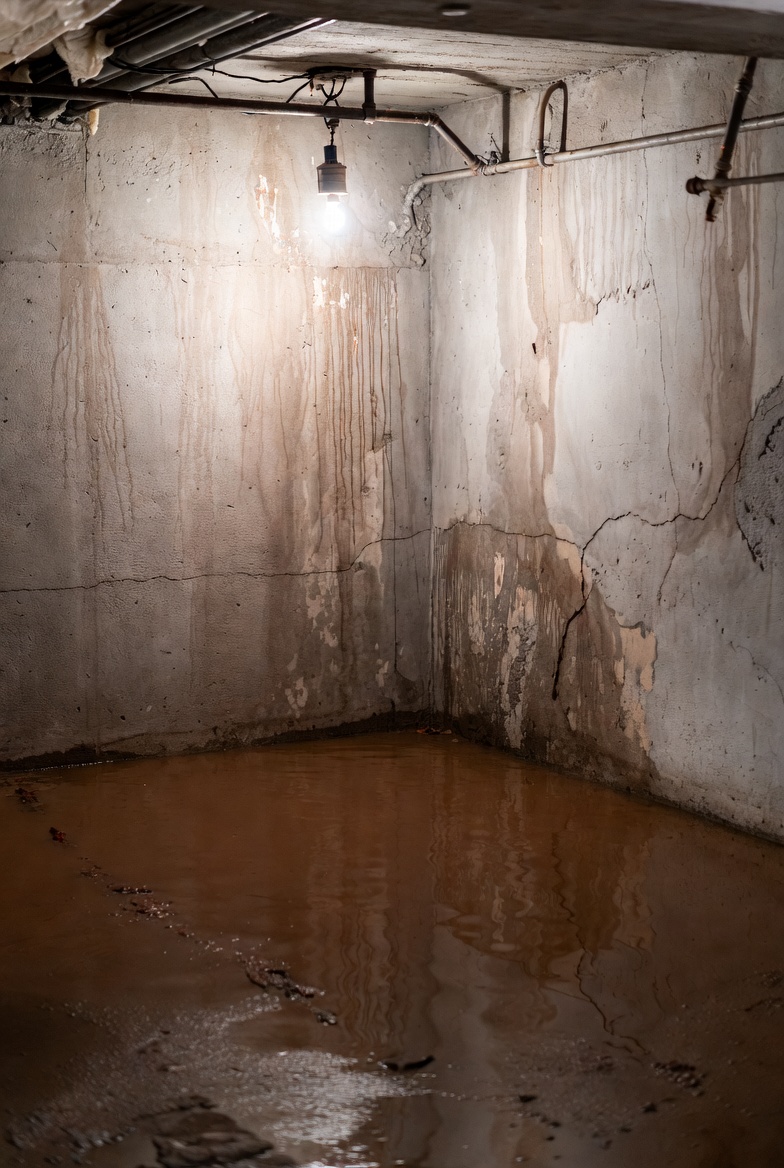
Wet spots after a remodel should be compared with the actual changed work, not traced by cutting at the wettest point. Control an active known source safely and contact the installer. Preserve plans, photos and commissioning records; timing does not prove construction debris or assign responsibility.
Make the area safe first
For suspected fuel gas, or strong, widespread or unexplained gas-like fumes, exposure symptoms or suspected concentrated sewer gas, leave the affected building and call emergency help from safety. Do not operate switches, plugs, valves or phones there, or stay to sniff or ventilate. Follow responder clearance.
Keep out of water near electrical equipment; do not touch wet appliances, plugs or controls. Isolate electricity only from safe dry access when no gas emergency is suspected, or get utility/electrician help. Use a known safely accessible shutoff for an active supply leak. During sewage return, stop contributing wastewater and keep people and pets away. A supply shutoff cannot stop every sewer or groundwater inflow.
Review new work without unsafe invasive tracing
- Visible route: Record safely visible connections and where wetting appeared. Plans may be approximate and water may track along framing; the wettest finish is not necessarily directly below the leak.
- Concealed access: Before cutting or removing finishes, identify concealed wiring and pipes, structural stability, contamination and hazardous materials. A small hole is not automatically safe. Do not reach into unknown drain contents containing possible sharp debris.
- Testing and correction: Do not turn water back on over rags or run every new drain during unresolved leakage or return. A suitable professional inspection should distinguish supply assembly, trap orientation, actual drainage slope and observed debris. A gauge drop alone does not locate the defect.
Does every wet spot after remodeling require tearing the wall open?
No. Use the work record and suitable noninvasive assessment to plan access. Hidden leakage, damaged structure, persistent return or uncertain services needs appropriate help. Arrange source correction and safe drying promptly; cosmetic covering alone does not resolve an active fault, and no further household test is required before contacting the installer.
Control the source, then dry and verify
Get prompt appropriate help for ongoing flooding, sewage, wet equipment, structural movement or an unidentified source. Do not delay mitigation to finish a log or preserve a puddle. Photograph from safe access, then arrange suitable water removal and drying. Contamination, mold, electrical clearance and structural conditions affect the cleanup method; do not use fans over visible mold or mix cleaning products. Drying limits damage but does not fix the source.
Use the installed system’s appropriate maintenance or completion procedure after correction, secure reassembly, required source controls and an accepting discharge path. Stop for leakage or renewed rise. A small test can still add water to a failing receiver. Keep unknown cleanouts and sealed basins closed; a bucket, gloves or a slow opening cannot control every trapped sewage or gas release. Do not enter pits, tanks, manholes or excavations.
Related guides
- Flooding after filter install
- Flooding after plumbing repair
- Floor Drains, Basement & Main Lines
- When to call a plumber for basement drainage issues
Sources and limits
- Wisconsin DHS: sewer gas, exposure and leaving an unsafe area
- Con Edison: suspected fuel-gas leak response
- CDC: electrical hazards near water
- EPA: prompt drying, electrical safety and flood cleanup limits
Examples do not identify your installed model, actual fault or local requirements. Independent professional review and household field tests have not been obtained.