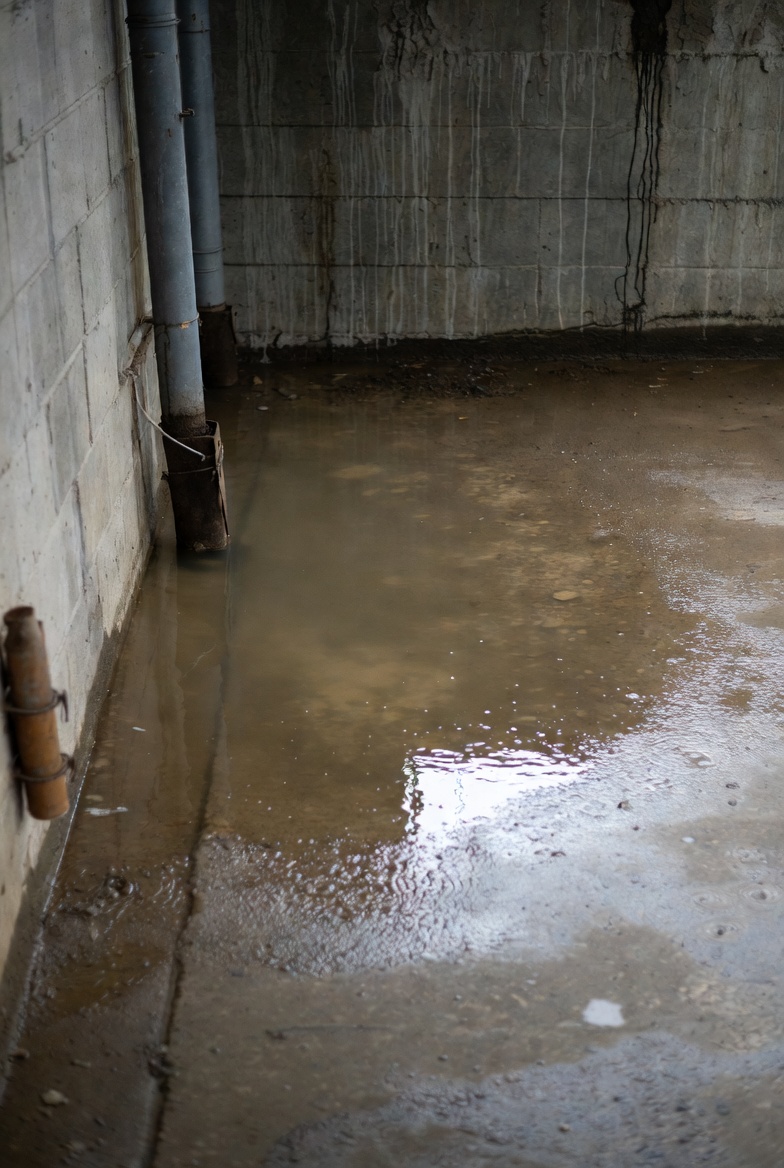
Quick Answer:
If water pools in the basement after service is restored, don’t panic. The likely causes are a pressure surge when the main was reopened, a failing pressure regulator (PRV), a stuck check valve or backflow device, or a separate leak that ran while the system refilled. Start by shutting the main if flooding is active, then reopen the main slowly and watch the system. While you work, check the incoming meter pressure and the PRV, inspect backflow devices and the water meter for continuous flow, and listen for hammering or hissing as the pipes refill. If you need more context, see flooding after turning water back on or flooding after smart shutoff trip.
Why This Happens
- Pressure surges when a municipal main is turned back on can exceed what household fittings or a PRV can handle, causing leaks or valve failures.
- A PRV can fail or stick during a surge; when it fails open, downstream pressure rises and stresses fixtures and connections.
- Check valves and backflow preventers can get stuck or be damaged, allowing water to flow where it shouldn’t or preventing proper isolation.
- The water meter can show continuous flow during refill or when a hidden leak is present; that continuous movement is a key clue.
Step-by-Step What to Do
1. Stop active flooding first
If water is actively pooling, close the main shutoff immediately to stop more water coming in. If you have a visible valve for the house main, turn it off. If the valve is seized, call for emergency help from your water utility or a plumber.
2. Open the main slowly and observe for leaks
When the situation is stable, reopen the main slowly—quarter turn, then pause—so pressure rises gradually. Watch visible pipes, fittings, basement fixtures, and appliance connections for new leaks as pressure builds. This controlled approach often prevents sudden failures.
3. Check the pressure at the incoming meter and the PRV setting
Measure pressure at an accessible hose bib or the meter outlet with a pressure gauge. Typical residential pressure is about 40–60 psi; sustained pressure well above that can indicate a failed PRV. If you have an adjustable PRV, note its setting but don’t force repairs beyond your skill level.
4. Inspect backflow prevention devices and the water meter for continuous flow
Look at the meter dial or digital display and any test ports on backflow preventers. A continuously moving meter or a visible drip past a backflow device during periods of supposed rest usually means a leak or a damaged device. Try isolating branches to narrow where the flow is going.
5. Isolate and trace the source
Close individual shutoffs for major branches (toilets, laundry, water heater, irrigation). Check fixtures and drains in the basement and around appliances. If the meter still shows flow after all branches are off, the leak may be before those branch valves or in an underground service line.
6. Listen for hammering, hissing, or other unusual sounds during refill
As you let water back in slowly, listen. Water hammer (loud banging) or hissing can signal trapped air, a failing valve, or a leak under pressure. These sounds guide where to look next and may justify stopping and calling a pro.
What Not to Do
- Avoid opening all fixtures at once after an outage; that sudden demand can hide where a problem starts and can cause pressure swings.
- Do not ignore sudden pressure surges—high pressure can quickly turn a small drip into a significant leak.
- Call a pro when pressure spikes cause leaks, a backflow device appears damaged, or you see active leaks you can’t isolate. Don’t try to repair a failed PRV or a damaged backflow preventer without proper tools and experience.
When to Call a Professional
- If you cannot stop the flooding by closing the house main.
- When the meter shows continuous flow but you cannot find the leak after isolating branches.
- If your PRV appears to have failed (sustained high pressure) or a backflow preventer is visibly damaged.
- If pressure spikes have caused visible leaks at joints, appliances, or fittings you cannot easily isolate.
- If you hear persistent hammering or hissing and can’t determine the source safely.
Safety Notes
- Turn off electricity to wet areas before entering standing water. Water and electrical systems are a dangerous mix.
- Wear rubber boots and gloves when inspecting a flooded basement, and avoid deep or fast-moving water.
- Document damage with photos for insurance, but stay clear of structural hazards and major poolings until a pro clears the area.
- Don’t dismantle water meters or backflow devices—you can harm the device, the meter seal, or violate local codes. Call the utility or a licensed plumber for meter or backflow work.
Common Homeowner Questions
- Why did my basement flood right after the city turned water back on? — A pressure surge or a failed valve often causes hidden weak joints to start leaking as the system refills.
- How can I tell if the PRV is the problem? — Check incoming pressure; if downstream pressure is much higher than the PRV setting or consistently over typical household levels, the PRV may be failing.
- Can I use the house water while I check for leaks? — Open the main slowly and only use minimal fixtures while you observe; avoid normal use until you are sure pressure and leaks are under control.
More in this topic
For more related fixes and similar symptoms, see Intermittent Basement Flooding Events.