Quick Answer:
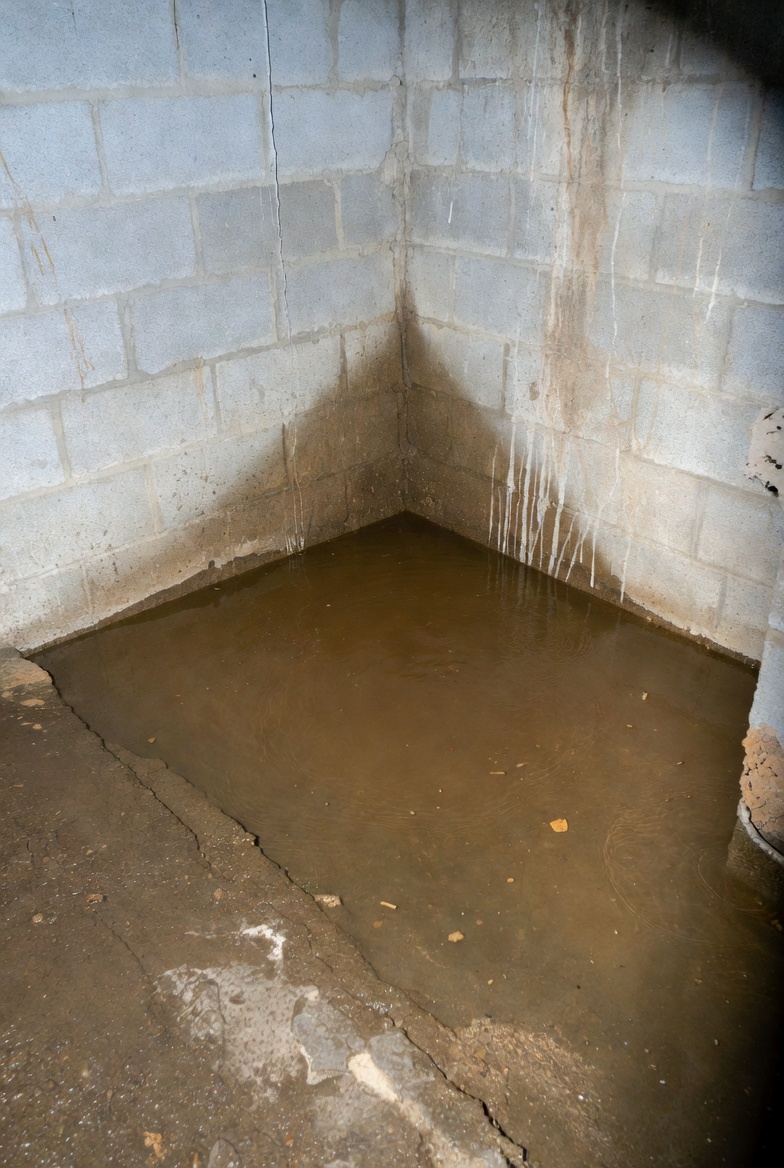
You walk into the basement after being away and find standing water. That can come from a slow supply-line leak, a lost trap seal, or a partial sewer backup. Start calmly: look for visible drips at fixtures and appliances, check the water meter for unexpected runs, and inspect the basement drain and cleanout to see whether the water is coming from inside the house or from the sewer. If you want a quick way to describe the situation later, think of it as standing water after a trip.
Why This Happens
When a house sits unused for days, small leaks that normally go unnoticed can slowly fill low spots. Common causes are:
- Slow feed-valve or supply-line drips at toilets, sinks, washing machines, or water heaters.
- Evaporation of a trap seal in an unused drain that allows sewer gas and water movement.
- Partial or full sewer line blockage that pushes water back into the basement drain instead of flowing out.
One useful sign is whether the water in the floor drain matches the sewer line behavior. If the drain is the source, you may recognize patterns similar to standing water in the basement drain.
Step-by-Step What to Do
1. Take an initial safety scan
Before touching anything, look for electrical hazards (sparks, submerged outlets, power strips). If electricity is a concern, don’t enter the water—shut off power to the basement from the main panel or call for help.
2. Inspect visible fixtures and appliance supply lines for drips
Walk through the basement and the floor above. Check under sinks, behind toilets, around the washing machine, water heater, and any visible piping. Look for active dripping, wet spots, or corrosion at fittings. A paper towel held to a joint for a minute will show slow drips.
3. Remove the drain grate and look for high-water stains or foreign matter
Carefully lift the basement floor drain grate (use gloves). Look inside for a waterline, discoloration, hair, grease, or solids that suggest sewer backup. High-water stains on the drain surround or the wall indicate past or recent backup activity.
4. Run each downstairs fixture briefly to isolate the source
Turn on each fixture down there—sink, floor drain, tub/shower, laundry—one at a time for 10–20 seconds. Watch the standing water level while you do this. If one fixture causes the standing water to rise or drain, you’ve localized the problem to that drain or its branch line.
5. Check the water meter for unexpected runs
Find your meter (often at the street or just inside the house) and note the reading, then avoid using water for 15–30 minutes. If the meter continues to move, you likely have a supply-side leak somewhere in the house. Continuous meter activity after you return is a key sign of a running leak.
6. Open the exterior cleanout to verify sewer line flow
Locate the exterior cleanout (usually a capped pipe near the foundation or sidewalk). With gloves and eye protection, loosen the cap slightly—do this slowly and carefully to avoid spray. If sewage or slow flow comes out, you have a sewer line blockage. If the cleanout flows freely, the problem may be internal to the branch lines or traps.
7. Document and contain
Take photos for records, mop or pump out as needed, and place towels or a shallow pump to limit further spread while you investigate. Avoid using drain-opening chemicals until you know the source—some chemicals can make sewer problems worse or be hazardous when mixed.
What Not to Do
- Don’t assume the water is from toilet seals or appliances without checking the entire system first. The visible appliance may be a symptom, not the source.
- Don’t open or probe sewer lines with bare hands or improvised tools.
- Don’t pour drain cleaners, bleach, or other chemicals into the water before you know whether it’s sewer water—this can be dangerous and can complicate repairs.
- Call a professional when standing water appears with persistent meter activity, visible leaks, or sewer odors after returning. These signs often need a licensed plumber or drain specialist.
When to Call a Professional
- If the water is clearly sewage or has a strong sewer odor.
- If the water level is rising despite your efforts or you can’t find the source after the basic checks.
- If the water meter shows continuous flow and you can’t locate a dripping fixture.
- When there are visible leaks from exposed pipes, appliance supply lines, or active flooding near electrical equipment.
Safety Notes
- Turn off electricity to the area if water reaches outlets, equipment, or panels. Call an electrician if you’re unsure.
- Wear gloves, eye protection, and waterproof boots when working around standing water.
- If you suspect sewage, avoid contact and ventilate the area. Sewage poses health risks and may require professional cleanup.
- If you shut off the main water, know how to turn it back on and check appliances afterward for leaks.
Common Homeowner Questions
- Is this likely a small leak or a sewer backup? If there’s a sewage smell or solids in the drain, think backup; if the meter runs and you find wet spots under fixtures, think a supply-line leak.
- Should I shut off the main water immediately? Only if the meter shows continuous flow, water is still entering, or you see an active leak you cannot stop.
- Will my homeowner’s insurance cover cleanup? Coverage varies; sudden plumbing failures are often covered, but sewer backups and neglected leaks may not be unless you have specific riders—check your policy or call your insurer.
More in this topic
For more related fixes and similar symptoms, see Standing Water in Floor Drain.