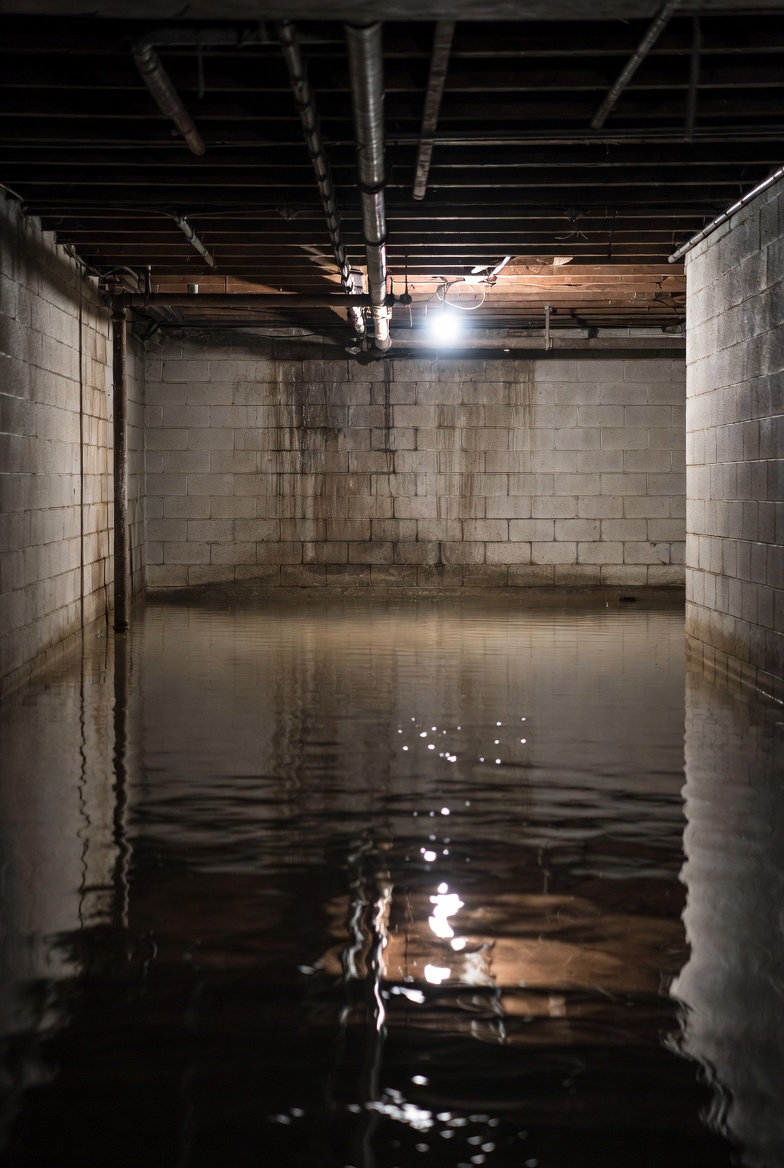
Quick Answer:
If you find standing water in the basement floor drain after rain, it is often a local clog in the drain trap or a blocked sewer/cleanout outside. Start by removing the grate and checking the trap for leaves and debris, lift out anything you can reach with a gloved hand, then pour a bucket of water to see if the drain clears or backs up. If opening the nearest exterior cleanout briefly shows sewage backing out, or if you smell sewage or multiple drains are affected, call a professional right away.
Why This Happens
- Leaves, mud and yard debris can collect in the floor drain trap and stop flow after heavy rain.
- Storm runoff can overwhelm municipal sewers or private lateral lines, causing temporary backups.
- Tree roots, collapsed pipe sections, or a blocked exterior storm/sanitary cleanout can keep water from leaving the house.
- If the issue is limited to one fixture, it’s often a local trap clog; if it spreads or worsens, the main line may be involved—see Standing water only in one drain and Standing water worsens over time for more on those patterns.
Step-by-Step What to Do
1. Remove the grate
- Use a screwdriver or a small pry bar if needed. Keep steady footing on the basement floor.
- Place the grate somewhere safe so you can replace it afterward.
2. Inspect the trap for visible debris
- Look down the trap with a flashlight. Check for leaves, sediment, or any obvious blockage.
- If you see material you can reach, put on waterproof gloves and lift out visible blockages by hand or with pliers.
3. Test with a bucket of water
- Pour one or two buckets of water into the drain and watch whether the water goes down or pushes back up.
- If it drains normally, the problem may have been a loose clog you cleared. If it backs up, the blockage is likely farther in the line.
4. Locate and check the nearest exterior cleanout
- Find the exterior cleanout near the foundation or along the property sewer run. It usually has a screw or cap and is outside the house.
- Open it briefly and watch for flow or backup. If sewage or greywater is coming out, stop and call a professional; that indicates a problem in the main sewer or lateral.
- Only open exterior cleanouts; do not remove caps from interior sewer branches unless you know what you are doing and have the proper cap to replace.
5. Observe and repeat if safe
- If the drain cleared, replace the grate and monitor after the next rain. If water returns, note whether it’s immediate or gradual.
- If the drain did not clear or you saw flow out of the exterior cleanout, arrange for a plumber with sewer-camera capability to inspect the line.
What Not to Do
- Do not pour strong chemical drain cleaners into a basement floor drain — they can damage pipes, harm you, and make future mechanical clearing harder.
- Do not open interior sewer lines without a cap — removing caps inside the house can let sewage gases and waste into your home.
- Do not attempt major digs or pipe repairs yourself unless you are trained; call a licensed sewer or plumbing pro for collapsed pipes or root intrusions.
- Call a pro when you detect sewage odors, persistent backup, or water entering the basement from multiple drains — those are signs of a sewer-line issue.
When to Call a Professional
- Persistent backups after your checks (water still won’t flow after clearing visible debris).
- Sewage odors, or sewage appearing from the cleanout or multiple fixtures.
- Water entering the basement from more than one drain or signs of a broken pipe (wet walls, sinkholes near your foundation, or continuous ground saturation).
- If you’re uncomfortable removing the grate or opening an exterior cleanout, or if the blockage is beyond reach.
Safety Notes
- Wear waterproof gloves, eye protection, and boots. Treat any standing water as potentially contaminated.
- Keep electrical devices and cords away from wet areas. If water is near outlets or appliances, shut off power to that circuit before working.
- Open exterior cleanouts only; avoid opening interior sewer lines without the correct cap and experience.
- If you detect a strong sewage smell, stop work, ventilate the area if possible, and call a professional—sewer gases can be hazardous.
Common Homeowner Questions
- Q: Will pouring hot water help clear the trap?
A: A small amount of warm water can move grease or light debris, but it won’t clear solid blockages and isn’t a substitute for manual removal or professional clearing. - Q: Can I use a shop vacuum to remove the blockage?
A: Only use a wet/dry shop vacuum with appropriate filters and care; it can remove surface debris but won’t replace a plumber for deeper sewer issues. - Q: How quickly should I act after noticing standing water?
A: Check the grate and trap immediately; if the issue persists or you smell sewage, contact a plumber the same day to avoid worsening damage.
More in this topic
For more related fixes and similar symptoms, see Standing Water in Floor Drain.