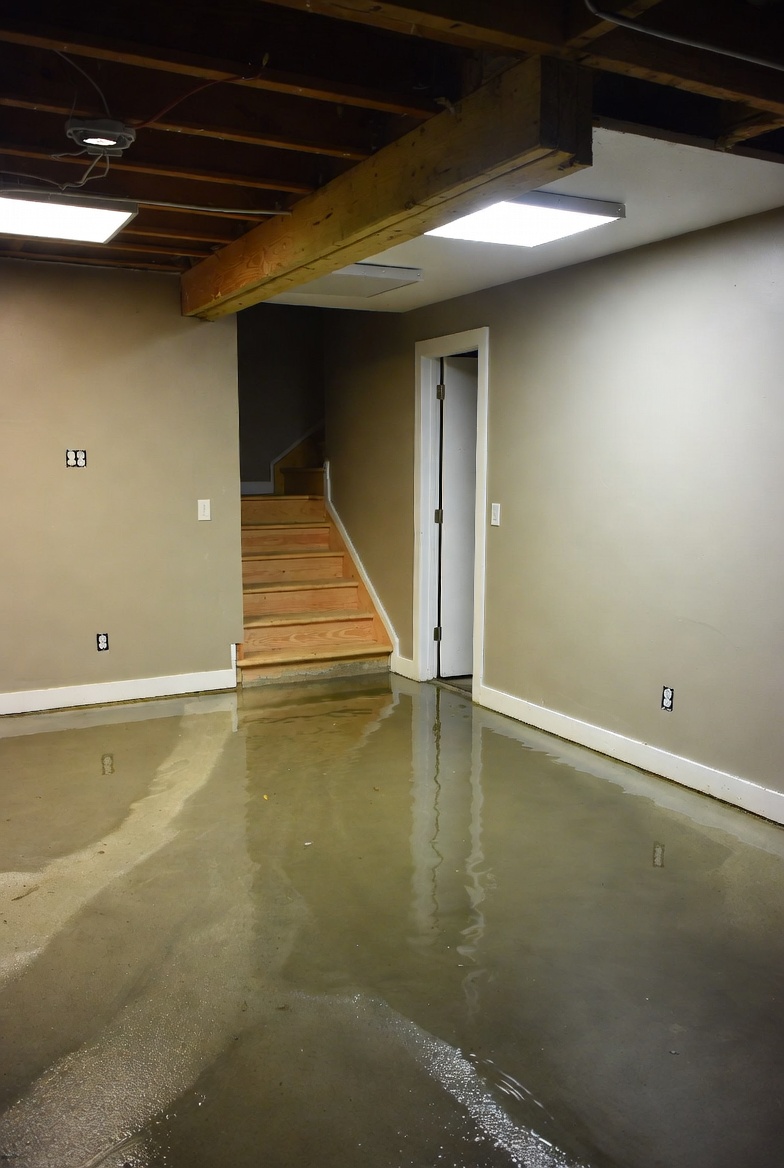
After a smart supply shutoff trip, keep the original alert and water location and resolve the underlying fault before restoration. Stable floor-drain seal water does not need a reset. Do not reopen the valve, bypass protection or flush fixtures to move water through traps and vents.
Separate normal seal water from an urgent event
A known floor-drain trap deliberately retains water as a sewer-gas barrier. Stable water below the grate is different from rising water, overflow, a supply leak or a puddle that cannot reach the inlet. Do not empty a healthy trap or add test water merely because the level appears still. Identify the actual drain design if its normal level is unknown.
For suspected fuel gas, or strong, widespread or unexplained gas-like fumes, exposure symptoms or suspected concentrated sewer gas, leave the affected building and call emergency help from safety. Do not operate switches, plugs, valves or phones there, or stay to sniff or ventilate. Keep out of water near electrical equipment; use safe dry electrical isolation only when appropriate and no gas emergency is suspected, or get utility/electrician help. During wastewater return, stop connected discharges and keep people and pets away from sewage.
Use the underlying alert before any reset or plumbing service
- Device record: Save the exact model, original alert, time and activity log using safe access. The Moen Flo example directs resolving the underlying critical alert before returning water to On. An app’s closed state or absence of a fresh alert does not prove a leak, receiver or water-quality concern is resolved.
- Actual path: A supply valve controls delivery; it does not normally drive water backward through intact separate drains. An installed primer can intentionally replenish a trap, and another leak or discharge can coexist. Identify actual supply leakage, equipment discharge and rising wastewater separately rather than attributing them all to trapped air.
- Restoration and access: Follow the actual model procedure only once the underlying fault and safe receiving conditions are addressed. Do not invent a gradual-open sequence for an automatic valve or open a bypass/bleed because another design has one. Power-off alone does not depressurize a valve. Keep internals and electrical compartments closed; suitable service needs source, retained-pressure and electrical controls.
Should I flush toilets after a smart shutoff to rebalance the drain?
No. It can add wastewater to a failing receiver and cannot establish the cause. Use the pressure-change guide below for the separate measurement question. A smart reset is not a drain repair.
Use safe evidence before service and completion checks
Keep unknown cleanout caps, trap service plugs and sealed basin lids closed. Slow turning, gloves or standing aside does not control unknown sewage head or gas. Do not enter pits, tanks or manholes, reach into unknown water, or use a cap release to locate a blockage. Suitable qualified access depends on the actual component and hazards.
Keep the original water location, level change, activity already occurring, weather, product history and work records. Do not add gallons, run a washer or flush toilets to reproduce a failed receiver. Identify any retained cleaner before opening, plunging or tools; a guessed wait or rinse is not clearance. Do not mix products or improvise neutralization.
Ask for the actual source and route, inspected extent, visible findings and limitations. A camera can be useful without guaranteeing every defect, gas seal, grade or repair choice. Suitable correction and secure reassembly come before an appropriate bounded attended check with an accepting receiver; stop at leakage or renewed rise. Source, electrical and contamination hazards need control before suitable cleanup and prompt drying. Do not spread sewage outdoors or send it into another failing drain.
Related guides
When to get prompt basement drainage help
Sources and limits
- Wisconsin DHS: sewer gas, exposure and leaving an unsafe area
- Con Edison: suspected fuel-gas leak response
- CDC: electrical hazards near water
- Madison Metropolitan Sewerage District: stop discharge and report backup
- Oatey: retained trap water and the gas-seal function
- Example drain-opener label: remaining-product restrictions
- Seattle Public Utilities: repair choices and sewer-camera limits
- EPA: prompt drying, electrical safety and flood cleanup limits
- Moen Flo example: resolve the underlying alert before restoring water
- Sioux Chief 695-01 example: a mechanical primer replenishes trap water
Manufacturer examples do not identify your installed equipment or local requirements. Independent professional review and household field tests have not been obtained.