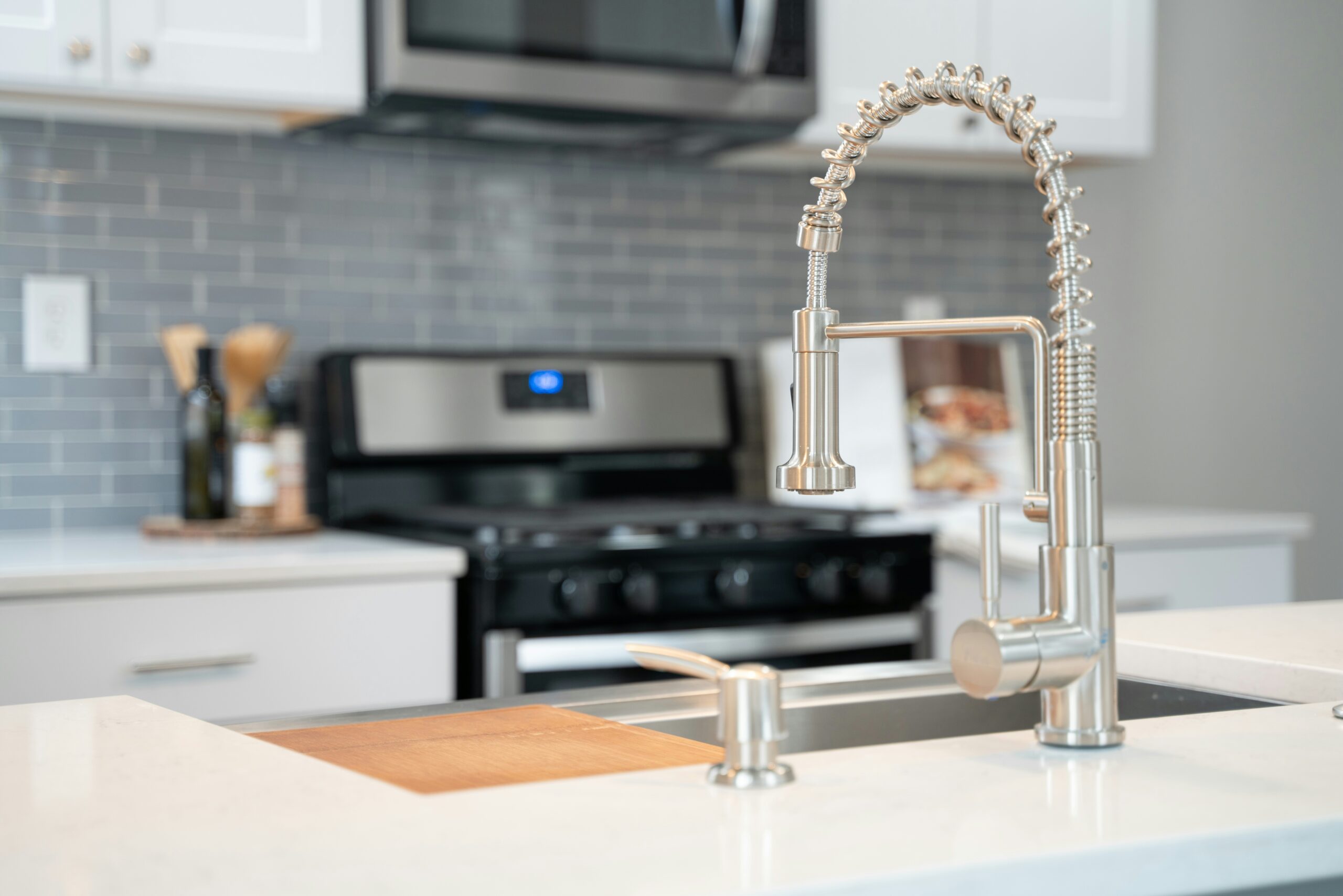
This hub covers kitchen drain and disposal odors—grease smells, rotten food odors under the sink, and smells that come back even after cleaning.
Some odors show up only when the disposal runs, after grinding certain foods, or after the dishwasher drains. Others appear after outages, repairs, winterization, or long vacations.
Use the groups below to match the odor pattern and what seems to trigger it, then open the closest article title. For broader kitchen-sink plumbing topics, see the sub-category hub: Kitchen Sink & Food Waste Plumbing.
General food and garbage odors
Common kitchen-drain odors and what they typically indicate.
-
Bad smell from kitchen sink drain
Describes common causes of persistent sink-drain odors and basic checks to narrow down source and severity.
-
Kitchen drain smells like garbage
Focuses on the typical “garbage” smell, how organic residues and trapped food create it, and immediate mitigation steps.
-
Rotten food smell under sink
Targets odors coming from the cabinet under the sink, including trapped leaks, spoiled food, or drainage backup as likely causes.
Odors tied to disposal use and food type
Smells that appear during grinding or after particular foods were processed.
-
Grease odor from disposal
Explains how fats and oils cling inside the disposal and drain lines and what cleaning or preventive steps help reduce grease odors.
-
Smell after grinding meat
Covers why grinding raw or cooked meat can produce strong odors and suggestions for cleaning the unit afterward.
-
Odor worsens after grinding fibrous foods
Discusses how fibers and plant material can trap debris and promote bacterial growth that increases odor after grinding.
-
Smell only when disposal runs
Looks at transient odors that appear while the disposal or dishwasher empties, often indicating trapped pockets releasing gases.
-
Disposal smells metallic
Examines causes of a metallic or chemical odor from the disposal, including contact with cleaning agents or metal wear.
After dishwasher drain or overflow issues
Odors linked to dishwasher drainage or the sink overflow channel.
-
Smell after dishwasher drain
Addresses smells that appear after the dishwasher empties, including trapped food or partial backups in the sink drain path.
-
Odor from overflow hole
Explains how the overflow channel can collect residue and foster odors, plus steps to clean that hard-to-reach space.
After events (repairs, outages, winterization, vacation)
Odors that begin after disruptions or long no-use periods of the sink or disposal.
-
Odor after plumbing repair
Reviews causes of new odors following repairs, such as disturbed biofilms, trapped debris, or reopened vents and traps.
-
Food odor after city outage
Discusses smells that appear after a water or sewer outage and what to inspect when supply or flow is interrupted.
-
Sink smells after winterization
Covers odor sources that show up after winterizing or thawing pipes, including dried traps and trapped debris.
-
Food odor after long vacation
Focuses on odors that develop during extended absences and checks for standing water, spoiled food, or low-use biofilms.
Odor timing and recurrence patterns
Smells that return, vary by season, or show up at certain times of day.
-
Odor returns after cleaning
Explains why odors can recur after cleaning and how biofilms or hidden reservoirs can reestablish the smell.
-
Sink smells only in morning
Looks at reasons odors may be noticeable after overnight stagnation and simple morning checks to identify the source.
-
Odor worse in winter
Discusses seasonal factors—cooler temperatures, reduced ventilation, and slower flow—that can intensify drain odors in winter.
-
Bio-buildup after switching detergent
Describes how a change in dishwasher or sink detergent can alter drain ecology and allow new biofilms that cause odor.
All Articles in This Cluster
- Bad smell from kitchen sink drain
- Kitchen drain smells like garbage
- Rotten food smell under sink
- Grease odor from disposal
- Smell after grinding meat
- Odor worsens after grinding fibrous foods
- Smell only when disposal runs
- Disposal smells metallic
- Smell after dishwasher drain
- Odor from overflow hole
- Odor after plumbing repair
- Food odor after city outage
- Sink smells after winterization
- Food odor after long vacation
- Odor returns after cleaning
- Sink smells only in morning
- Odor worse in winter
- Bio-buildup after switching detergent