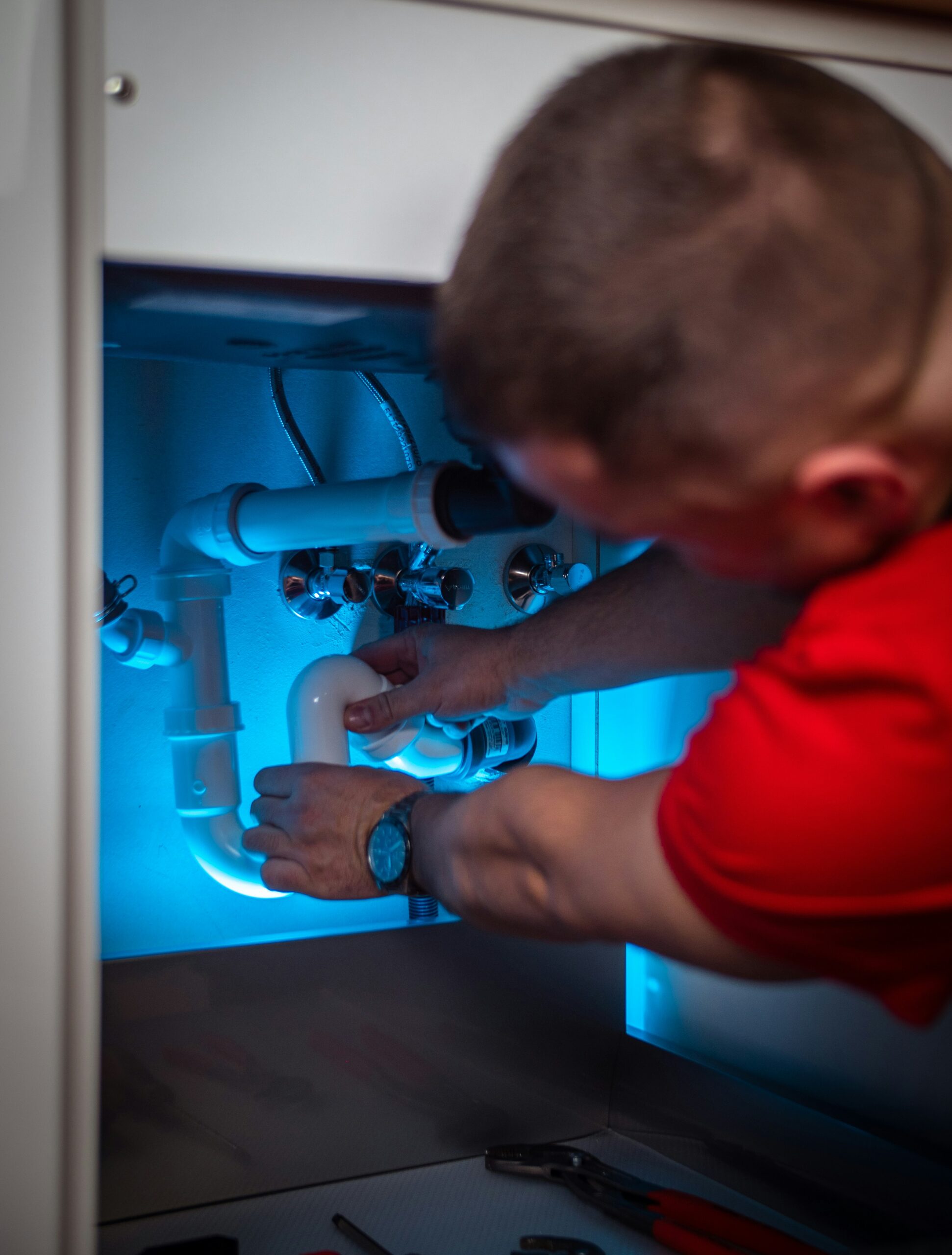
This hub covers water or odors coming from the sink’s overflow channel.
Overflow issues often appear when the channel is clogged or when downstream drainage backs up.
Use the groups below to match how the overflow behaves.
Related sub-category: Bathroom Sink Mechanics & Drainage
Water exiting the overflow
Cases where the overflow opening actively releases water; these usually indicate a flow or seal problem.
-
Water comes out of overflow hole
Describes why the overflow discharges during normal use, including clogged channels, misaligned stoppers, and trap issues.
-
Sink overflows despite clear drain
Explains hidden downstream blockages or venting problems that let water escape through the overflow even when the drain seems clear.
-
Water backing out of overflow slot
Covers situations where water is forced back through the overflow slot, typically from a partial blockage further down the line.
-
Overflow only leaks when sink full
Focuses on leaks that occur only at higher water levels, often caused by damaged overflow channels or failed seals.
Odors from overflow channel
Smells coming from the overflow indicate trapped organic material or sewer gas entering the channel.
-
Overflow hole smells bad
Looks at common causes of persistent odors, such as stagnant water, trapped hair, and bacterial buildup in the channel.
-
Overflow water smells like sewer
Explains when smells point to sewer gas, dry traps, or venting problems rather than just local debris.
Clogs and buildup
Blockages inside the overflow channel often result from soap, hair, mineral scale, or shaving residue.
-
Overflow channel clogged with gunk
Describes how organic and fatty deposits accumulate and how basic cleaning or mechanical clearing can help.
-
Overflow channel blocked by buildup
Focuses on mineral and soap-scale buildup that narrows the passage and methods to remove it safely.
-
Overflow backing up after shaving
Addresses how shaving residue and hair commonly clog the channel and practical steps to prevent recurrence.
Post-install or hidden leaks
Leaks that appear after work or that occur inside walls need careful inspection to locate disturbed fittings or concealed damage.
-
Overflow leaking after faucet install
Explains how installation can disturb seals or alignments and what to check after replacing fixtures.
-
Overflow problem after repair
Looks at common repair-related oversights that cause new overflow symptoms and how to verify previous work.
-
Overflow leaking inside wall
Notes signs of concealed leaks and when to consider opening walls or calling a professional for a leak trace.
Random or intermittent overflow issues
Intermittent problems can be the hardest to diagnose and may point to partial clogs, venting fluctuations, or cracks.
-
Overflow backs up randomly
Discusses intermittent backups and how to observe patterns to narrow down causes like partial obstructions or venting.
-
Overflow hole dripping constantly
Explains persistent drips that suggest hairline cracks, worn channels, or continuous pressure differences.
All Articles in This Cluster
- Water comes out of overflow hole
- Sink overflows despite clear drain
- Water backing out of overflow slot
- Overflow only leaks when sink full
- Overflow hole smells bad
- Overflow water smells like sewer
- Overflow channel clogged with gunk
- Overflow channel blocked by buildup
- Overflow backing up after shaving
- Overflow leaking after faucet install
- Overflow problem after repair
- Overflow leaking inside wall
- Overflow backs up randomly
- Overflow hole dripping constantly