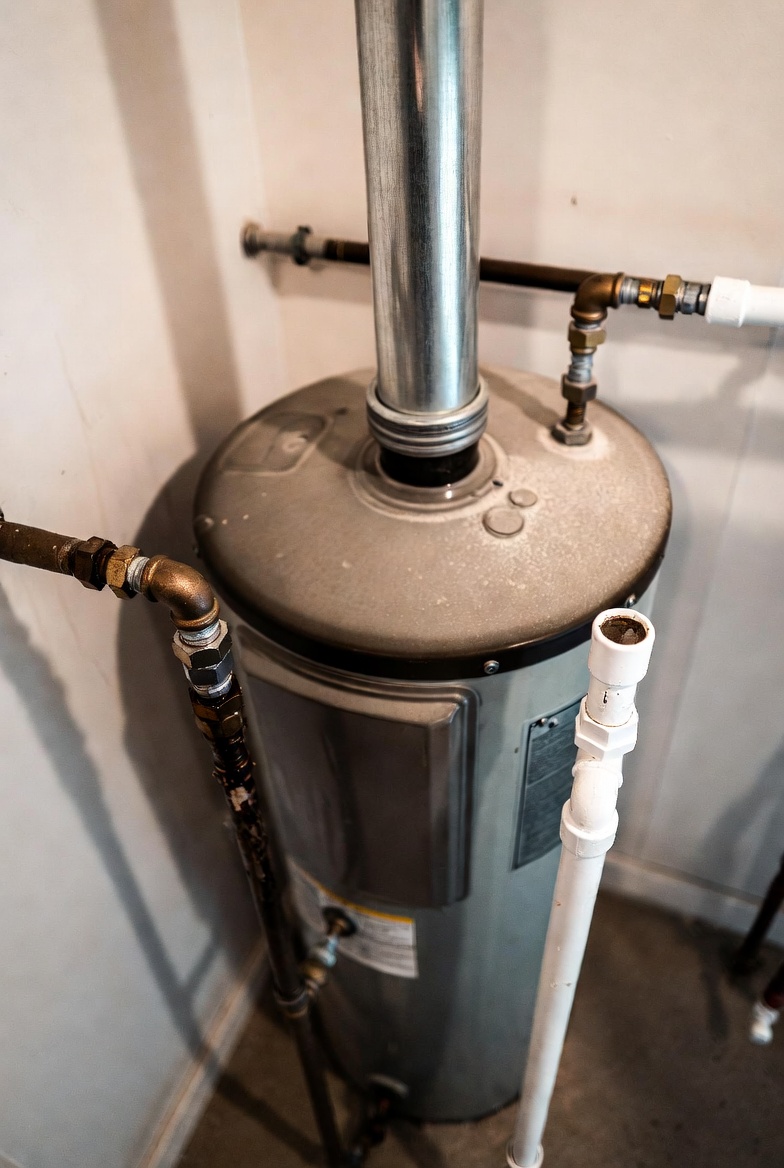
Quick Answer:
If hot water feels slick after a new water heater is installed, it’s usually residue from manufacturing, oils used during assembly, or a harmless mineral/bacterial film—not a dissolving factory coating. Start with a brief flush and retest the water. If the slickness remains or you notice odors, discolored water, or skin irritation, get a professional to inspect the tank and piping.
Why This Happens
- Leftover lubricants, manufacturing oils, or pipe fittings residue can wash into the hot-water lines the first few uses.
- Changes in water chemistry from new plumbing parts or different metals can make water feel different — sometimes slick or slightly slippery.
- Thin biofilm from bacteria can form in low-use lines and feel slimy; this is more likely if the heater sat with standing water or the system wasn’t flushed before use.
- Water treatment systems or recent changes (softener settings, detergents in lines) can also change the feel. If you’ve seen issues like an Oily film after filter replacement, the cause may be similar.
Step-by-Step What to Do
1. Narrow down where it’s happening
Check whether the slickness is only with hot water or both hot and cold. Try several fixtures (kitchen sink, bathroom sink, shower). If only hot water is slick, the heater or hot plumbing is the likely source.
2. Flush the heater drain briefly and retest slickness
With the heater powered off (or gas pilot off), open the drain valve just long enough to let a small flow—30 seconds to a minute—flush out any loose residue. Close the valve, restore power/gas, then run hot water at a nearby tap until it feels normal. Retest at other fixtures.
3. Do a quick line flush
Run hot water from the highest hot-water tap for 1–2 minutes, then check a lower fixture. This moves any residue through the plumbing. If you have a point-of-use filter, remove or bypass it briefly during testing in case it’s trapping oils or debris.
4. Look and smell
- Hold a clear cup under hot water. Look for film, sheen, or particles.
- Smell for sour, rotten-egg, or chemical odors; note anything unusual to tell a pro.
5. Retest after a day of normal use
If the heater was new, some residues clear after a day or two of normal use. If slickness is reduced or gone, no further action may be needed. If it persists, move to the next checks or call a technician.
What Not to Do
- Do not drain heater repeatedly to fix slickness.
- Don’t add chemicals, solvents, or home “cleaning” additives to the tank unless instructed by a qualified technician.
- Don’t ignore persistent odors, discolored water, or skin reactions—these are signs a professional check is needed.
When to Call a Professional
- If slickness persists after the brief flush and normal use.
- If you smell rotten-egg (possible hydrogen sulfide) or chemicals, or see cloudy/discolored water.
- If you notice leaks, pressure problems, or any warning lights on an electric unit.
- If you’re unsure about safely shutting down or draining the heater—especially gas units or when working near electrical components.
Safety Notes
- Always turn off power to an electric heater or set a gas heater to pilot/off before opening drain valves.
- Release tank pressure by opening a hot faucet before touching the drain valve. Hot water can cause severe burns.
- Use gloves and eye protection when opening drain valves or handling water that may contain residues.
- If you have a powered circulation pump, turn it off before doing any draining or flushing to avoid damage.
- If you’ve experienced other fixture issues recently, such as a Soapy feel after smart shutoff trip, mention that to the technician—patterns help diagnose the source.
Common Homeowner Questions
- Will the slickness go away on its own? Often yes, after a brief flush and a day or two of normal use; if not, get it checked.
- Could a factory coating be dissolving? That’s very unlikely. Manufacturers use stable coatings; slickness is almost always residue or water chemistry.
- Can I drink the hot water? Hot water is generally safe for use in hygiene and washing, but for drinking it’s best to use cold water that’s been heated separately if you’re concerned until the issue is resolved.
Related Articles
If you’re troubleshooting a similar symptom, these guides may help:
For the full directory, see Oily Sheen, Slick Feel, or Soapy-Like Water.