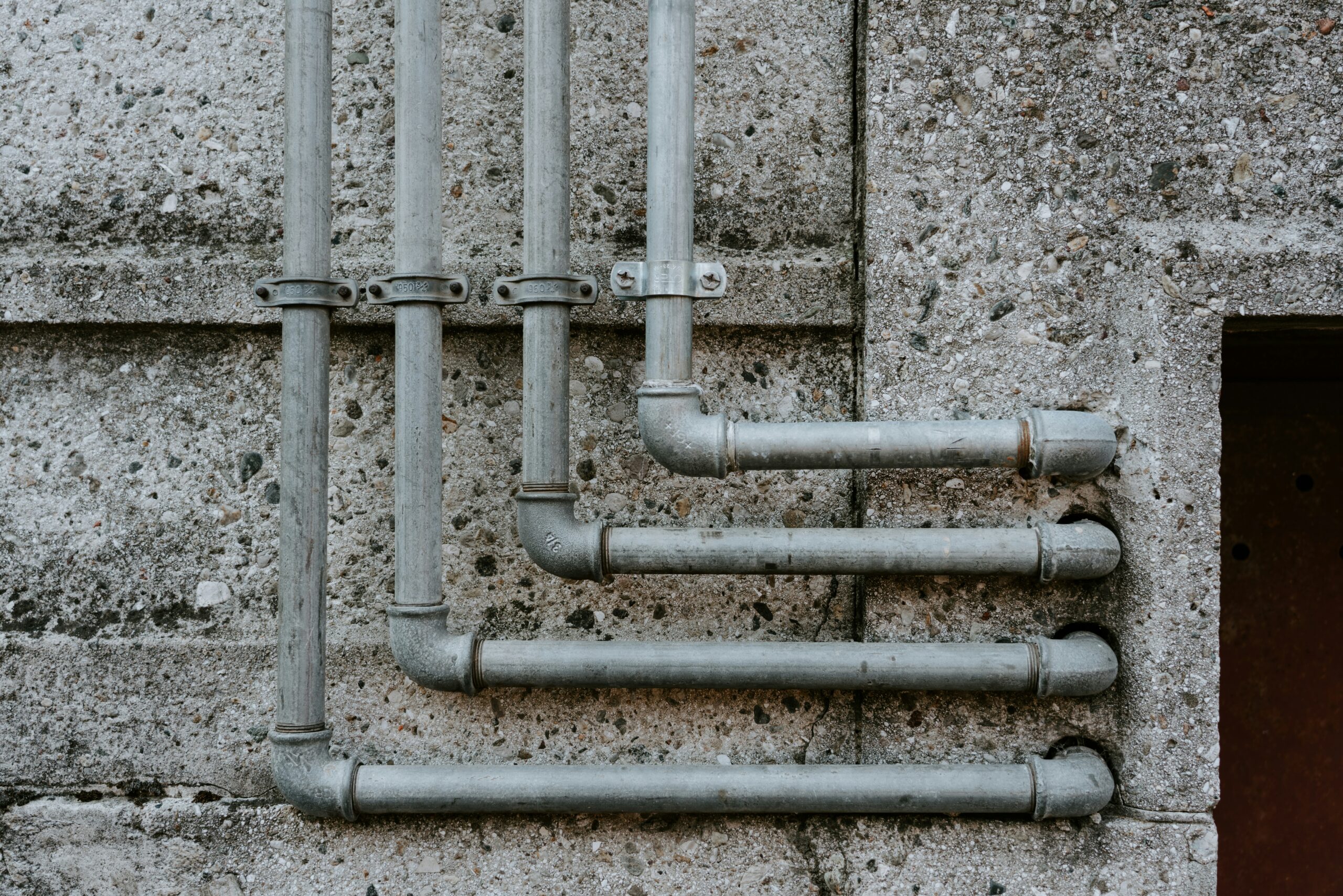
This hub covers pressure problems that affect hot water only—for example, hot pressure dropping mid-shower while cold remains steady, or hot-side fluctuations tied to the water heater cycling or refilling. Issues limited to the hot side usually point to components in the hot-water path (the heater, hot piping, mixing valves, or expansion controls); matching when the change happens helps narrow the likely cause.
Related sub-category: Water Pressure Behavior & Regulation
Hot pressure drops during showers or use
These articles address situations where hot pressure falls while you are using a fixture, often mid-shower or while a hot tap is open.
-
Hot water pressure drops mid-shower
Explains common causes when pressure falls halfway through a shower, including mixing valves, partial hot-side blockages, or temperature-triggered valve behavior.
-
Hot water pressure weak but cold fine
Focuses on diagnostics when cold pressure is normal but hot is consistently low, suggesting heater-related restrictions or isolated hot-line problems.
-
Hot side pressure fluctuates
Covers variable hot-side pressure that rises and falls while in use, with tests to separate valve, aerator, and heater cycling causes.
-
Pressure unstable on hot side only
Summarizes troubleshooting steps for intermittent hot-side instability, including checking mixing devices, check valves, and pipe obstructions.
Heater running or refilling effects
These pieces look at pressure change tied specifically to the water heater cycling, draining, or refilling.
-
Pressure loss when water heater refills
Explains why pressure can drop while the tank refills and how inlet restrictions, valves, or supply-side valves cause temporary loss.
-
Pressure drops only when heater running
Looks at pressure reductions that occur during heater operation, pointing to circulation patterns, thermostatic devices, or refill interactions.
-
Hot water pressure low after tank refill
Focuses on lingering low hot pressure after a refill, including trapped air, partially closed valves, or sediment-related flow limits.
After installation or system changes
Problems that appeared after a new heater or expansion control were added, which may indicate installation issues or settings to check.
-
Hot water pressure loss after heater install
Outlines likely installation-related causes such as incorrect valve positions, debris left in lines, or supply-side restrictions introduced during work.
-
Hot side pressure lost after expansion tank install
Describes how expansion tank installation or adjustments can affect hot-side pressure and what to inspect on the expansion assembly and valves.
Demand-related hot-side drops
These articles cover pressure reductions that occur under increased hot-water demand, such as multiple fixtures running.
-
Hot side pressure drops when multiple taps open
Explains how simultaneous hot draws can reveal supply limitations, pipe sizing issues, or poor manifolding on the hot distribution.
-
Hot pressure weak only upstairs
Focuses on upstairs hot-side weakness under load, suggesting vertical piping losses, balancing, or a restricted branch to the upper level.
Surges and spikes on the hot side
Information on sudden rises, surges, or spikes in hot-water pressure that do not affect the cold side.
-
Hot water pressure surges
Describes causes of short-lived surges, including failing check valves, thermal expansion events, or pressure-regulation faults on the hot line.
-
Hot water pressure spikes
Looks at more abrupt spikes and how to distinguish transient events from systemic problems requiring a pressure relief or expansion check.
Hot vs cold comparison clues
Use these comparisons to identify where a problem lies by observing differences between the hot and cold behavior over time or with certain taps open.
-
Hot pressure improves when cold tap opened
Explains why opening a cold tap can change hot-side pressure and what that reveals about mixing valves, shared supply restrictions, or cross-connections.
-
Pressure uneven between hot and cold
Discusses diagnostic steps when hot and cold pressures differ significantly at the same fixture, including isolating valves and measuring at the source.
-
Hot pressure varies by time of day
Considers time-of-day patterns that affect only hot pressure, pointing to shared supply demand, heater cycling schedules, or municipal supply variations.
All Articles in This Cluster
- Hot water pressure drops mid-shower
- Hot water pressure weak but cold fine
- Hot side pressure fluctuates
- Pressure unstable on hot side only
- Pressure loss when water heater refills
- Pressure drops only when heater running
- Hot water pressure low after tank refill
- Hot water pressure loss after heater install
- Hot side pressure lost after expansion tank install
- Hot side pressure drops when multiple taps open
- Hot pressure weak only upstairs
- Hot water pressure surges
- Hot water pressure spikes
- Hot pressure improves when cold tap opened
- Pressure uneven between hot and cold
- Hot pressure varies by time of day