Quick Answer:
If hot-water pressure falls only while the water heater is actively running, the problem is usually in the hot-water path or a device that reacts when the heater fires (mixing valve, recirculation pump, flow sensor, or internal restriction). First compare hot versus cold pressure at the same fixture and watch the heater while the drop happens. Those observations usually tell you whether you can try basic fixes or need a service call.
Why This Happens
When pressure drops only with the heater running, it means something changes in the hot side when the heater is active. Common causes:
- Internal flow restriction in the heater (scale or debris) that reduces hot flow when the unit opens or the pump runs.
- Faulty or mis-adjusted thermostatic mixing valve or tempering valve that restricts hot flow while mixing is happening.
- Recirculation pump or flow-sensing valve cycling on and creating a pressure differential.
- Check valve or pressure-reducing device on the hot outlet sticking under flow conditions.
- For tankless units, scale buildup on the heat exchanger or a failing flow sensor that limits flow during operation.
Related symptoms to watch for are pressure spikes or intermittent flow behavior; this can be part of the same issue, similar to Hot water pressure surges in other scenarios.
Step-by-Step What to Do
1. Compare hot and cold at the same fixture
Turn one faucet to a steady mid-range flow. Measure by feel or with a flow bucket: check hot and then cold at the same handle or separate handles. If cold pressure stays strong while hot drops only when the heater runs, the problem is on the hot side, not the main supply.
2. Observe the heater while the drop happens
Have someone run the hot tap while you watch the heater. Note any of these:
- Does a recirculation pump start? (You may hear it.)
- Does a tankless unit fire and then the flow reduces?
- Any alarm lights, error codes, or unusual noises?
Also test the behaviour described by consumers who see that Hot pressure improves when cold tap opened; opening the cold can change the pressure balance and help identify mixing or balancing valve issues.
3. Test other fixtures and isolate the area
Check whether the drop affects a single fixture, a bathroom, or the whole house. If it is limited to one fixture, inspect the cartridge, aerator, and hot shutoff valve for restriction.
4. Check obvious service points
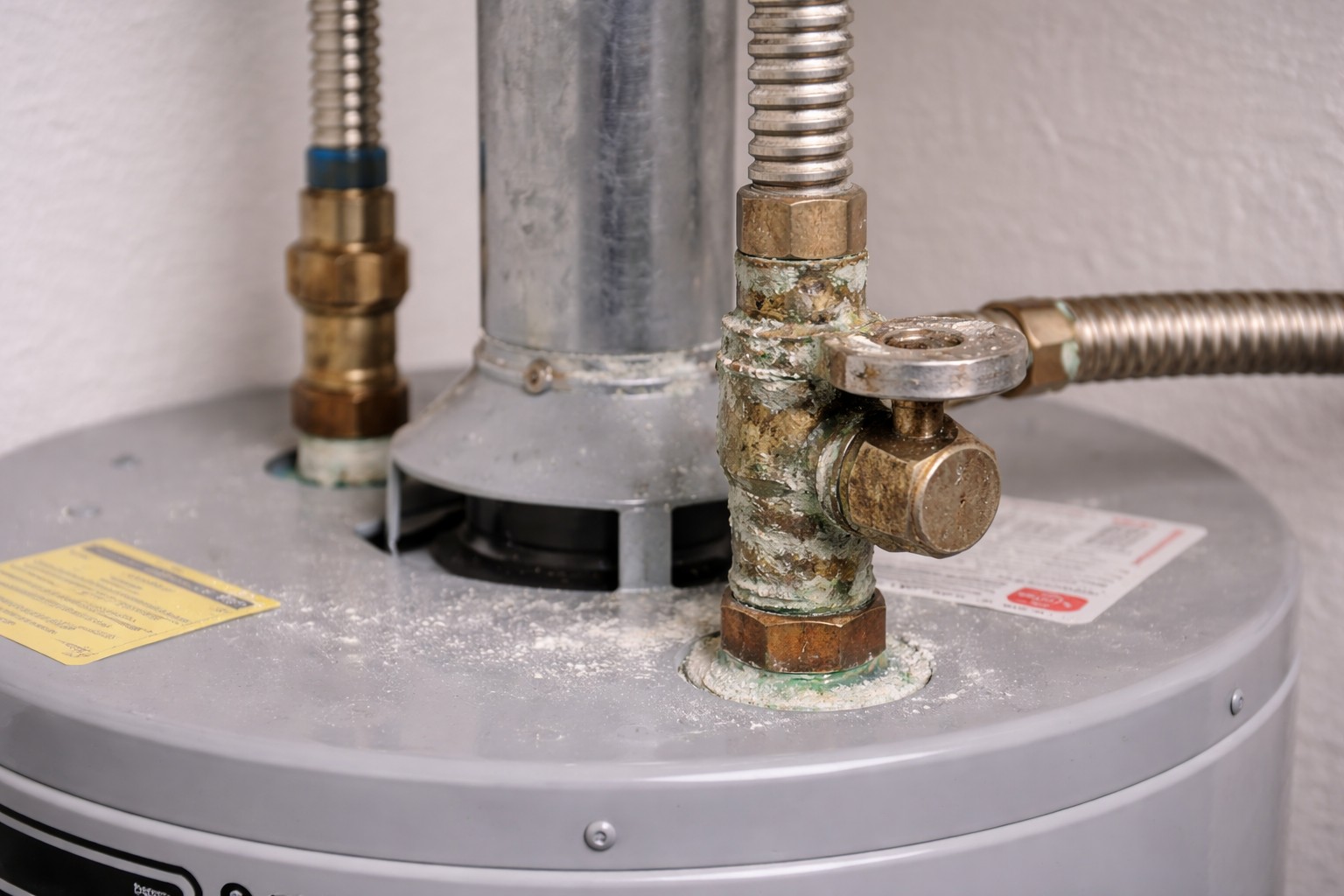
- Ensure hot inlet and outlet shutoffs at the heater are fully open.
- For tank units, look at the inlet strainer or any connected filters; clean if accessible and safe to do so.
- For recirc systems, try turning off the pump temporarily to see if the pressure returns to normal.
5. Document and decide next step
Note what you tried and what changed. Photos of valves, labels, and any error codes from a tankless unit will speed a technician diagnosis if you call one.
What Not to Do
- Do not replace cold-side plumbing for a hot-side-only problem.
- Do not disassemble gas burners, electrical elements, or the heater casing unless you are qualified.
- Do not force valves or use excessive heat/tightening on plumbing you don’t fully understand; you can cause leaks or damage.
When to Call a Professional
- If the heater shows error codes, smells of gas, leaks, or you are unsure about turning off gas/electric safely.
- If the pressure drop persists after simple checks (valves, aerators, pump off) or if you suspect scale or internal failure in the heater.
- If the issue involves the house pressure regulator, a mixing valve replacement, or recirculation system repairs—these are best handled by a licensed plumber or water-heater technician.
Safety Notes
- Hot water can cause severe scalds. Test slowly with your hand and use caution when probing hot lines.
- Turn off power or gas to the heater only if you know how and are following manufacturer instructions. If unsure, call a professional.
- When working near gas connections or electrical panels, stop and contact a trained technician if you encounter any uncertainty.
Common Homeowner Questions
- Q: Could sediment in the heater cause this?
A: Yes—scale or debris can restrict flow under operating conditions and reduce hot pressure. - Q: Will opening the cold tap always help?
A: Opening the cold can change pressure balance and sometimes restore hot flow; it’s a diagnostic step, not a fix. - Q: Is this something I can fix myself?
A: You can check valves, aerators, and observe the heater, but repairs to the heater, mixing valve, or recirculation system often need a pro.
Related Articles
If you’re troubleshooting a similar symptom, these guides may help:
For the full directory, see Pressure Fluctuates Only on Hot Water.