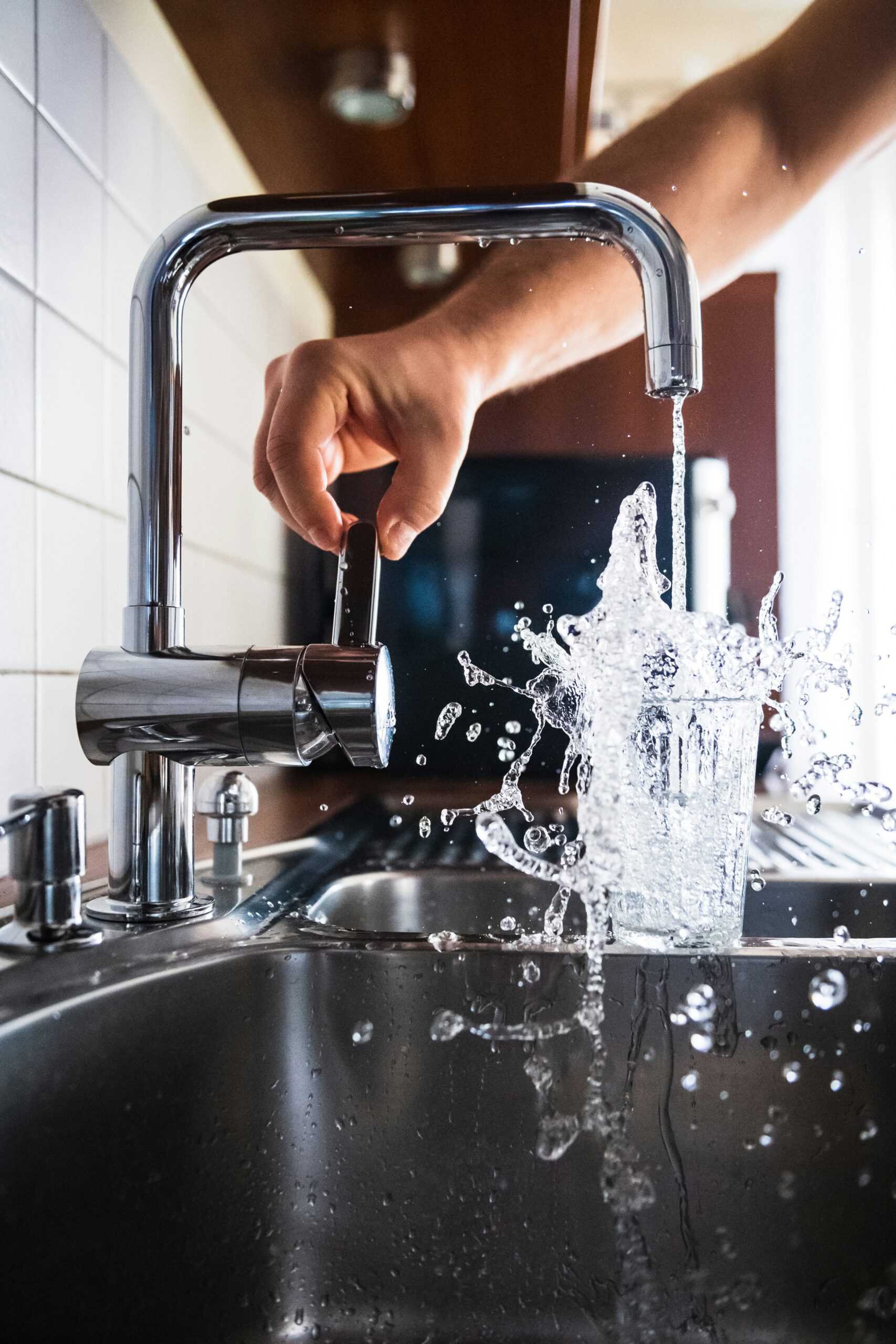
A weak stream after service is restored is a low-delivery observation. It does not by itself measure water pressure or prove trapped air. First distinguish one outlet, one branch or the whole home, and report the work or outage that preceded it.
When to get help immediately
Keep away from wet electrical equipment. Do not touch wet appliances, plugs or switches, or enter water to reach a breaker. When no gas leak is suspected, power may be isolated only from a safely accessible dry location; otherwise call an electrician or emergency help. Wet equipment needs qualified assessment before it is used again.
For an active leak, use a known safely accessible supply shutoff if appropriate and obtain help. Severe loss of supply, a utility notice, loud persistent movement or repeated pressure changes can warrant a prompt call. You do not have to clean aerators or manipulate valves before contacting a plumber or supplier.
Compare existing observations
- One faucet: its outlet screen, internal valve, stop or branch may restrict delivery. A nearby working fixture does not identify which part is faulty.
- One side or group: record hot versus cold and which outlets share the problem. This describes scope, not a proven failed cartridge or regulator.
- Several unrelated outlets: ask about current utility work and record whether the issue occurs at rest, during another demand or throughout use. A gauge reading, if already available from an installed safe instrument, should be labeled static or taken during a specified demand. Flow and pressure are different measurements.
Optional checks for a stable, ordinary case
- Confirm restoration was completed according to the responsible provider’s instructions. Observe the identified customer control and its markings; do not open an already-open valve farther or force an unfamiliar stop.
- Look for an obvious leak or kink from safe access without bending, pulling or tightening a pressurized supply line. For a wet cabinet near electrical equipment, stay clear.
- If the faucet’s actual instructions allow cleaning its removable aerator, turn the faucet off, let hot parts cool and follow that exact removal method. Isolate and relieve the affected supply if required by the product or if work extends to retained pressure components. Do not dismantle a cartridge as though it were an aerator.
- Reassemble before a controlled ordinary check, with an accepting receiver and safe temperature. Follow any supplier flushing or sampling instructions; do not perform a multi-fixture purge just to wait out the symptom.
- If the symptom persists or returns, share the scope, previous work and any properly recorded readings with a plumber or utility. Do not adjust a regulator from one weak-stream observation.
Will it clear in an hour?
There is no universal recovery time. Debris, supply availability, valve condition and the actual installation matter. Closing an undrained system does not necessarily introduce air, and air does not establish that valve handles reopened unevenly. The observations guide the next check; they do not certify the cause.
Related guides
- How to Turn Water Back On After Shutting It Off (Safely)
- Why Your Faucet Is Spitting Air After Turning the Water Back On
- What to Do If Water Smells or Looks Dirty After a Shutoff
- Air in Pipes After Shutoff
For the wider sequence and device-specific directories, browse Water Entry, Shutoffs & Flow Control Systems.