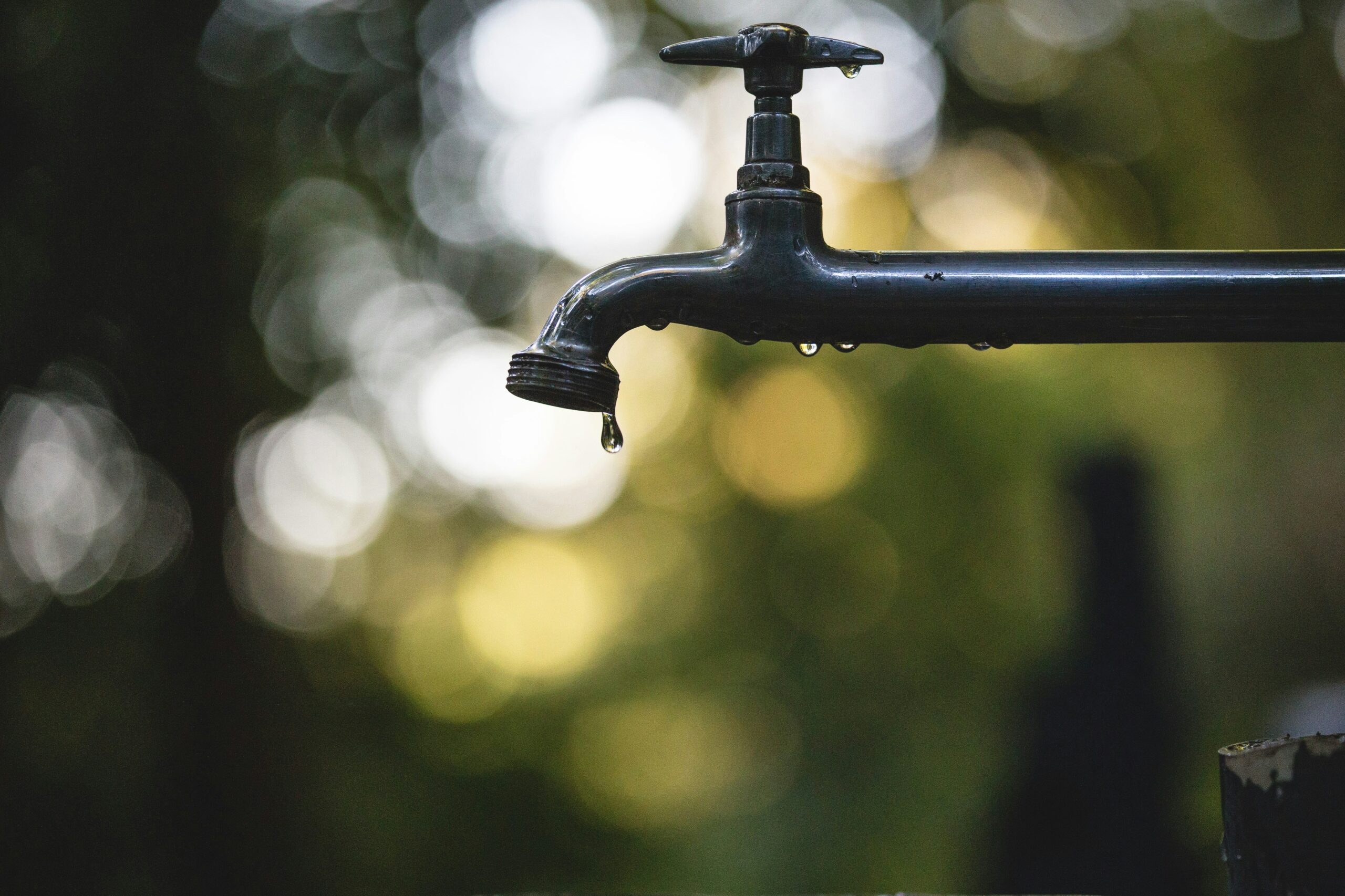
After closing a water supply, first check whether the area is safe to approach. Closure can reduce an active leak, but it does not remove electrical hazards, stored water or pressure in every part of the system. Keep the supply isolated while the cause and repair are addressed.
Check the area before touching controls
If you smell fuel gas or suspect a gas leak, leave the building or affected area immediately and take others with you. Do not operate switches, plugs, phones, appliances, thermostats or valves in the affected area, light flames, or stay to ventilate or investigate. From a safe location well away, call the local gas emergency service or emergency services. Do not re-enter until responders say it is safe. Plumbing checks and normal maintenance must wait.
Keep away from wet electrical equipment. Do not touch wet appliances, plugs or switches, or enter water to reach a breaker. When no gas leak is suspected, power may be isolated only from a safely accessible dry location; otherwise call an electrician or emergency help. Wet equipment needs qualified assessment before it is used again.
First: hazards before cleanup
Stay clear of sagging ceilings, unstable surfaces and sewage. If contaminated water or extensive damage is present, keep people away and arrange suitable cleanup and repair help. Do not start a wet/dry vacuum, move wet appliances or enter water to reach a switch before electrical safety has been established.
Then check the isolation and original leak
- Record which known valve was closed and what it serves. From a dry, safe position, note whether the original escape is slowing, continuing or coming from another location. Do not reopen to reproduce it.
- Continued flow can involve residual pipe or tank water, elevation, a checked segment, another feed or a valve that does not seal. A few seconds is not a universal emptying time.
- Use the actual work procedure for local pressure relief and absence-of-pressure verification. A specified outlet must safely capture the water and temperature involved. Opening the lowest faucet does not guarantee that every branch or tank has drained.
- For an uncontrollable leak, uncertain isolation, frozen or cracked pipe, contact the utility, manager or plumber promptly. Testing and cleanup are not prerequisites to asking for help.
Contain water only where it is safe
For a small, accessible clean-water leak after the hazards above have been addressed, use an appropriate container or towels without stressing a pipe or entering a dangerous area. Powered cleanup equipment must be suitable for wet use, electrically safe and operated by its instructions. Keep evidence photographs and the repair record before discarding damaged items when practical; do not delay emergency action to document them.
Prepare for the time the water will remain off
Tell the repairer about heaters, pumps, treatment equipment, freezing conditions and any required or shared services. A short, undrained closure is different from winterization or draining a heater. Follow the actual equipment procedure for energy, stored hot water, refill and restart; do not automatically drain every tank or assume water can remain off indefinitely without other preparations.
Before reopening
- The actual defect has been repaired and the repaired assembly is ready for pressure.
- Affected equipment has been prepared or commissioned according to its own instructions.
- The source is available, applicable supplier notices are understood, and the selected outlets can safely receive water.
- Someone can observe the repaired area during controlled restoration. A slowed drip alone is not proof the repair is complete.
Related guides
- How to Shut Off Water to Your House (With and Without a Main Valve)
- Where Is the Main Water Shutoff Valve in a House?
- How to Turn Water Back On After Shutting It Off (Safely)
For the wider sequence and device-specific directories, browse Water Entry, Shutoffs & Flow Control Systems.
Safety sources
- Con Edison: suspected gas leaks
- CDC: electrical hazards near water
- Tacoma Public Utilities: identifying service equipment and local shutoff permissions
- Example electric-heater manual: filling and maintenance requirements
- CDC: drinking-water advisories
- Madison Metropolitan Sewerage District: responding to a sewer backup