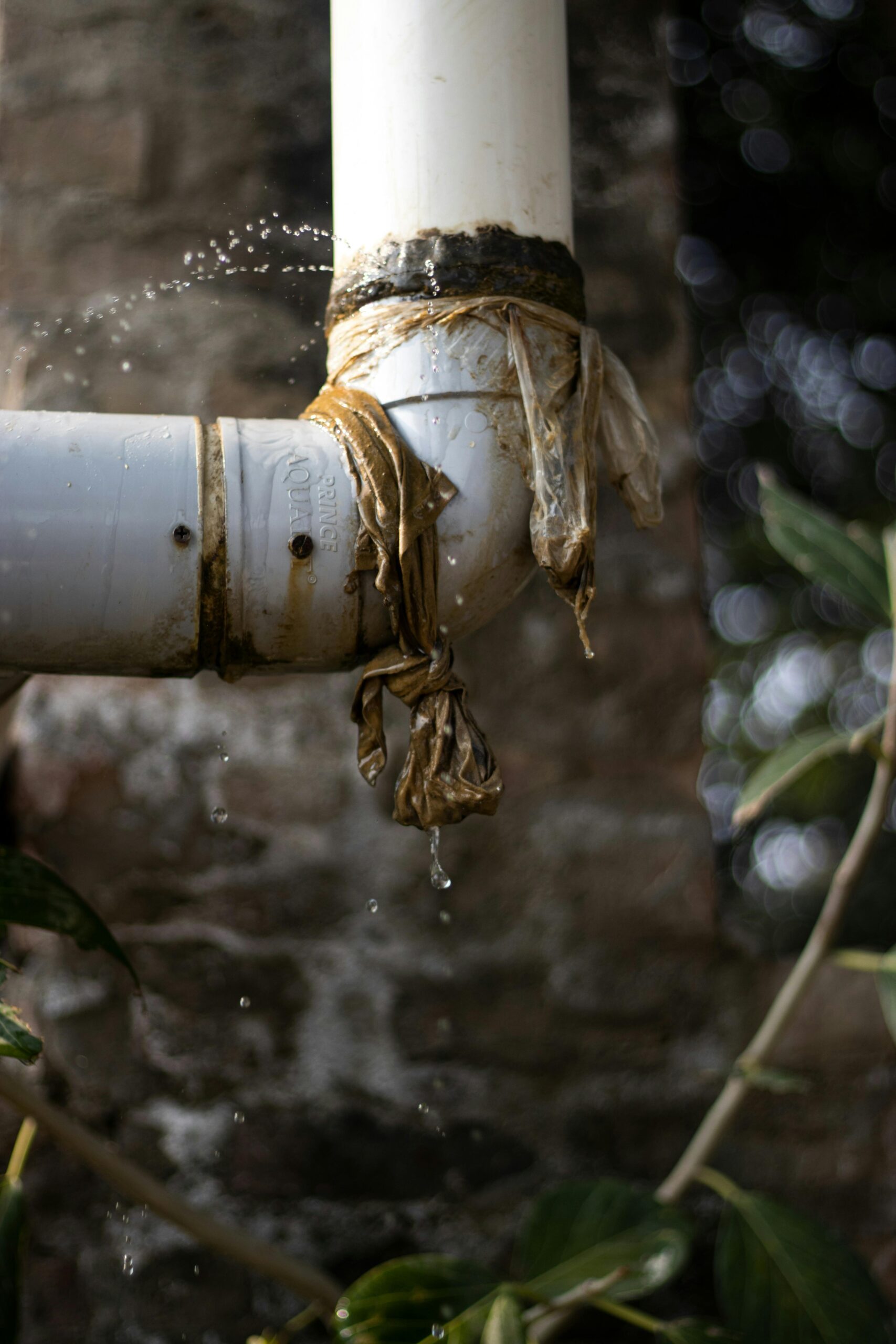
Quick Answer:
If turning on the faucet sends water spraying from the side or bottom of the disposal, shut the water off immediately, cut power to the unit, and check whether the leak is coming from a seam or a crack in the housing. If the spray is from a crack or a split in the body, stop using the disposal and plan for replacement.
Why This Happens
Garbage disposals are subject to moisture, vibration and wear. Common causes of spray from the housing include:
- Corrosion or a hairline crack in the housing from age or impact.
- A failed seal or gasket where the unit joins the sink or drain flange.
- Loose or damaged hose connections (for example the dishwasher or discharge hose).
- Internal blockages or pressure that force water out at a weak point.
If the unit is older, see Disposal leaks after long use for related situations and signs to watch for.
Step-by-Step What to Do
1. Stop the water and power
Turn the faucet off right away. Next, switch the disposal off at the wall and then flip the circuit breaker for that circuit to ensure it has no power. If the disposal is unplugged under the sink, unplug it only after the water is off. Do not reach into the disposal while it’s powered.
2. Contain the spray and protect the area
Place towels or a shallow pan under the leak to catch water and protect cabinet contents. Wipe up puddles to avoid damage and slipping hazards.
3. Inspect from outside (no hands inside)
With power off, use a flashlight to look for the origin:
- If water is coming from the joint at the sink, the problem may be the mounting flange or gasket.
- If water is spraying from a seam or a crack in the metal or plastic body, that indicates a failed housing.
- Also check hose fittings and the discharge pipe for wetness or loose clamps.
If you suspect the leak is at the flange, see Leak from disposal flange for steps to check the mounting and gasket.
4. Confirm seam or crack
Look for steady streaming or a spray pattern from the middle or lower body of the disposal (not the top). A seam or visible break is a clear sign the housing is compromised. If you see that, do not use the unit.
5. Photograph and note what you found
Take clear photos of the wet area, the seam/crack, and connections. This helps a plumber or appliance tech diagnose the issue faster and may help with an estimate or insurance claim.
6. Decide next steps
- If the leak is from a loose connection and you are comfortable with basic tasks, you may be able to tighten clamps or replace a hose. Keep power off while you work.
- If the leak is from the housing seam or crack, the safe course is to stop using the disposal and arrange repair or replacement. A cracked housing is not a simple DIY fix.
What Not to Do
- Do not operate the disposal if water is spraying from the housing; a cracked unit typically needs replacement.
- Do not reach into the disposal with your hand while the unit might have power.
- Do not try to patch a cracked housing with tape, glue, or other temporary fixes—these often fail and can create electrical or flood hazards.
- Do not leave electrical switches on if the area is wet; turn off the breaker before inspecting or touching electrical parts.
When to Call a Professional
Call a licensed plumber or appliance repair technician if any of the following apply:
- You see a crack or split in the housing.
- The source of the spray is unclear after a visual check.
- There’s evidence of electrical arcing, burning smell, or repeated tripping of the breaker.
- You’re not comfortable working under the sink or disconnecting plumbing and electrical connections.
A professional can safely remove the unit, confirm whether repair or replacement is required, and reinstall or replace the disposal and associated plumbing.
Safety Notes
- Always turn off the water and power before inspecting a disposal.
- Do not put your hands into the disposal—use tools designed for retrieval if something is stuck and power is off.
- Wear gloves and eye protection when working under the sink; debris and dirty water can be hazardous.
- If you smell gas (in homes with gas lines nearby) or detect significant electrical issues, leave the area and call a professional immediately.
Common Homeowner Questions
- Can I keep using the sink if the disposal is spraying?
No. Shut off the water and power and avoid using the disposal until the source is fixed. - Is a cracked disposal repairable?
Most cracks in the housing mean the unit should be replaced rather than repaired. - Will this kind of leak damage my cabinets?
Yes—prolonged leakage can rot wood and cause mold; act quickly to stop the leak and dry the area.