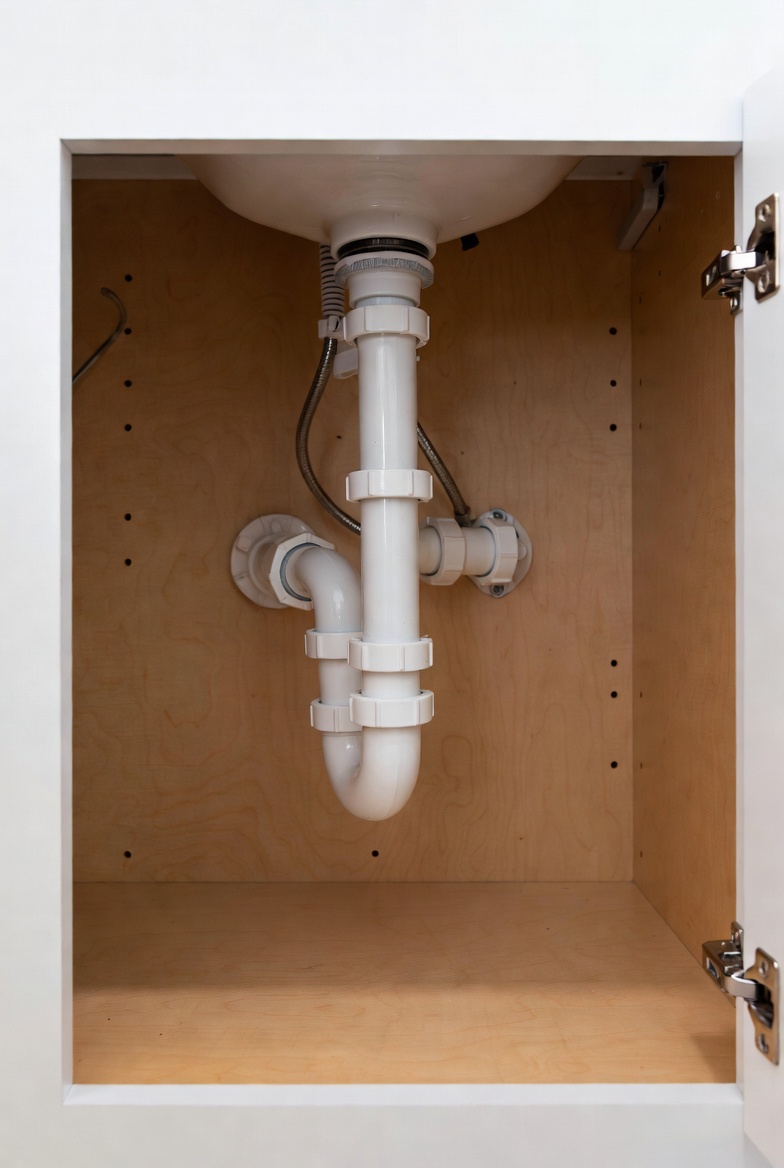
Check for an emergency first
For strong, widespread or unexplained gas-like fumes, exposure symptoms, or suspected high sewer-gas concentrations in an enclosed space, leave the building immediately and call the fire department or emergency services from outside. Avoid flames, switches and other ignition sources; do not remain to ventilate, sniff drains or investigate. Smell intensity does not measure the concentration. A faint localized drain odor without those warning signs calls for a different plumbing investigation; it does not automatically establish a fuel-gas leak.
If you smell fuel gas or suspect a gas leak, leave the building or affected area immediately and take others with you. Do not operate switches, plugs, phones, appliances, thermostats or valves in the affected area, light flames, or stay to ventilate or investigate. From a safe location well away, call the local gas emergency service or emergency services. Do not re-enter until responders say it is safe. Plumbing checks and normal maintenance must wait.
Keep away from wet electrical equipment. Do not touch wet appliances, plugs or switches, or enter water to reach a breaker. When no gas leak is suspected, power may be isolated only from a safely accessible dry location; otherwise call an electrician or emergency help. Wet equipment needs qualified assessment before it is used again.
If water is rising while the disposal is in use, stop adding water and waste. Do not restart the motor or continue a cold-water stream to see whether the sink drains immediately afterward. First distinguish an isolated ordinary sink restriction from sewage, a broader backup or an electrical hazard.
Useful details to record
- Which basin or appliance contained rising water and whether other drains were affected.
- What the disposal was doing before it was stopped: normal operation, humming, grinding noise or no response.
- Any drain-cleaner use, recent dishwasher/disposal installation and accessible model information.
What the pattern can tell you
- Several fixtures back up or sewage appears. Stop using the affected drainage and get prompt professional help. Do not open a cleanout or keep testing with more water.
- The unit hummed or seemed jammed. Safe model-specific jam service may be relevant, but it does not establish that the drain line is clear.
- The sink alone backs up. An accessible local restriction is possible; the water level and timing do not prove where it is or justify powering through it.
What to do next
- Keep hands and fingers out of the disposal even when it is off. Before any jam, object or trap work, establish safe power disconnection under the actual model instructions; a wall switch alone is not a service isolation method. Do not touch a wet plug or enter water to reach a breaker. Keep the dishwasher and other connected appliances from pumping into an open drain.
- Keep water below the overflow point by stopping additional use. Do not add chemical drain cleaners, reach into the unit or run another appliance into the same drain as a test.
- For an ordinary non-sewage case without chemicals or electrical hazards, follow an identified manufacturer-permitted owner procedure only if its isolation and containment requirements can be met. Otherwise arrange plumbing service.
- If an accessible trap is serviced, account for retained water and any chemicals, keep connected appliances inactive, and fully reassemble before any controlled leak check. A deeper clog, corroded trap or recurrent backup needs a plumber; do not feed an improvised cable through the disposal.
Can the dishwasher inlet plug cause every disposal-related sink backup?
No. The plug is relevant when connecting a dishwasher to the disposal’s dishwasher inlet. The linked Moen instructions distinguish that connection from the main discharge. Give the installer the actual connection history rather than removing plugs or rearranging hoses to test a theory.
Related situations
- Sink fills when disposal drains
- Sink fills when disposal and dishwasher run
- Sink Backs Up When Disposal Runs