Quick Answer:
If you smell a sulfur or “rotten egg” odor only while showering, start by testing whether the smell comes from the showerhead or the water supply. Remove the showerhead and sniff the bare riser. If the smell is strongest from the riser or the water stream, the issue is usually in the hot water system or supply, not the arm itself.
Why This Happens
- Hydrogen sulfide gas (the rotten-egg smell) forms when certain bacteria interact with sulfate in water. Warm conditions — like inside a water heater — encourage this.
- If the odor appears only when using hot water or only while showering, the water heater or its anode rod is a common source.
- Sometimes mineral buildup or trapped organic matter inside a showerhead can produce a smell limited to that fixture.
- If your home uses a private well, bacterial activity in the well or plumbing can suddenly produce a strong smell; see Rotten smell in well water suddenly for more on that scenario.
Step-by-Step What to Do
1. Check when the smell appears
- Run cold water and smell it. Then run hot water and smell it. Note whether the odor is only on hot, only on cold, or both.
- If the smell is only on hot water, focus on the water heater and hot-water plumbing.
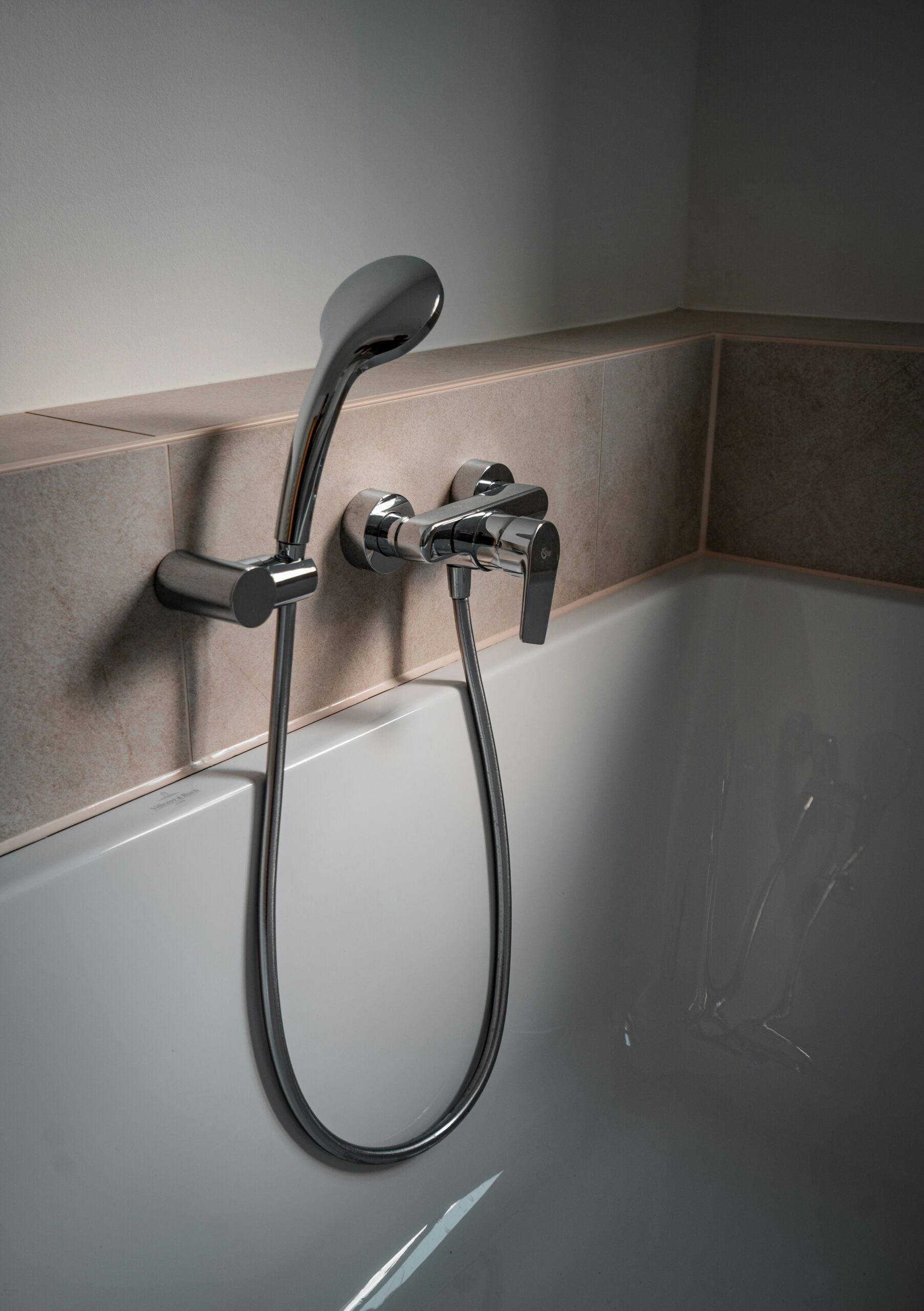
2. Remove the showerhead and test the bare riser
- Carefully unscrew the showerhead (use a cloth to protect the finish if needed).
- Turn the valve on and sniff the water coming from the exposed shower arm (riser). You can also collect a small amount in a clean cup and smell it away from the drain.
- If the strong sulfur smell comes from the bare riser or the water stream, the problem is in the supply or heater. If the smell disappears, the showerhead itself likely holds buildup or bacteria.
3. Clean or replace the showerhead
- Soak the showerhead in white vinegar to remove mineral and organic buildup, then flush thoroughly.
- If odor returns after cleaning, replace the showerhead — internal plastics and rubber can trap smells and are hard to fully disinfect.
4. Inspect the water heater
- Flush the tank to remove sediment, and check the anode rod (a common cause of rotten-egg smells when it reacts with bacteria).
- Temporarily raise the water heater temperature for a short shock-treatment only if you understand the risks of scalding; otherwise have a plumber advise.
5. If you have a well or suspect source water problems
- Test your water for bacteria and hydrogen sulfide. If tests are positive, treatment or well disinfection may be needed — consult a pro.
- For smells isolated to fixtures, compare with other locations in the house; if the problem is limited to the bathroom, see tips on the sink: Smell only in kitchen sink.
What Not to Do
- Do not disinfect shower risers with household bleach. Bleach can corrode metal fittings, damage seals, and leave hazardous residues in plumbing.
- Do not run extremely hot water or mix strong chemicals without knowing the appliance limits — you can cause scalding or toxic reactions.
- Avoid pouring undiluted disinfectants or acidic cleaners directly into plumbing without professional advice.
When to Call a Professional
- If the smell persists after removing and replacing the showerhead and flushing the water heater.
- If water testing shows bacterial contamination or hydrogen sulfide in a private well.
- If you’re not comfortable inspecting or servicing the water heater, anode rod, or well system — a licensed plumber or water treatment specialist can diagnose and treat safely.
Safety Notes
- Work in a well-ventilated area when checking or cleaning plumbing fixtures.
- Wear gloves and eye protection when handling cleaning agents or inspecting inside a tank or fixture.
- Do not raise water heater temperature beyond the manufacturer’s recommendations without safeguards to prevent scalding, especially if children or elderly people use the water.
- Never mix bleach with ammonia or acidic cleaners; dangerous gases can form.
Common Homeowner Questions
- Q: Will replacing the showerhead fix the smell?
A: If the smell is trapped in the showerhead, replacing or thoroughly cleaning it will usually fix the issue. - Q: Is the riser likely to harbor bacteria?
A: Bacteria typically grow in warm, stagnant water or inside the heater; the exposed metal arm is less likely to be the main source if the water itself smells when tested. - Q: Can I safely test for hydrogen sulfide at home?
A: You can do basic smell checks and collect samples, but accurate testing for hydrogen sulfide and bacteria is best done with lab or professional test kits.
For more related articles, see the Sulfur / Rotten Egg Smell in Water hub.