Quick Answer:
If you see cloudy or milky water coming only from your shower, it can be unsettling but often isn’t an immediate health hazard. Common causes are tiny air bubbles, mineral particles, or a clogged showerhead. If the cloudiness doesn’t clear on its own or starts appearing at other taps, a plumber can test the source safely and tell you whether it’s contamination, a heater issue, or pipe work that needs attention.
Why This Happens
Cloudy water is usually one of a few things:
- Air trapped in the line or in the water heater, which makes water look white until the bubbles rise and clear.
- Mineral particles or soft sediment stirred up in a local section of pipe or the fixture.
- Breakdown or residue inside the showerhead or aerator that releases tiny particles or creates a milky appearance.
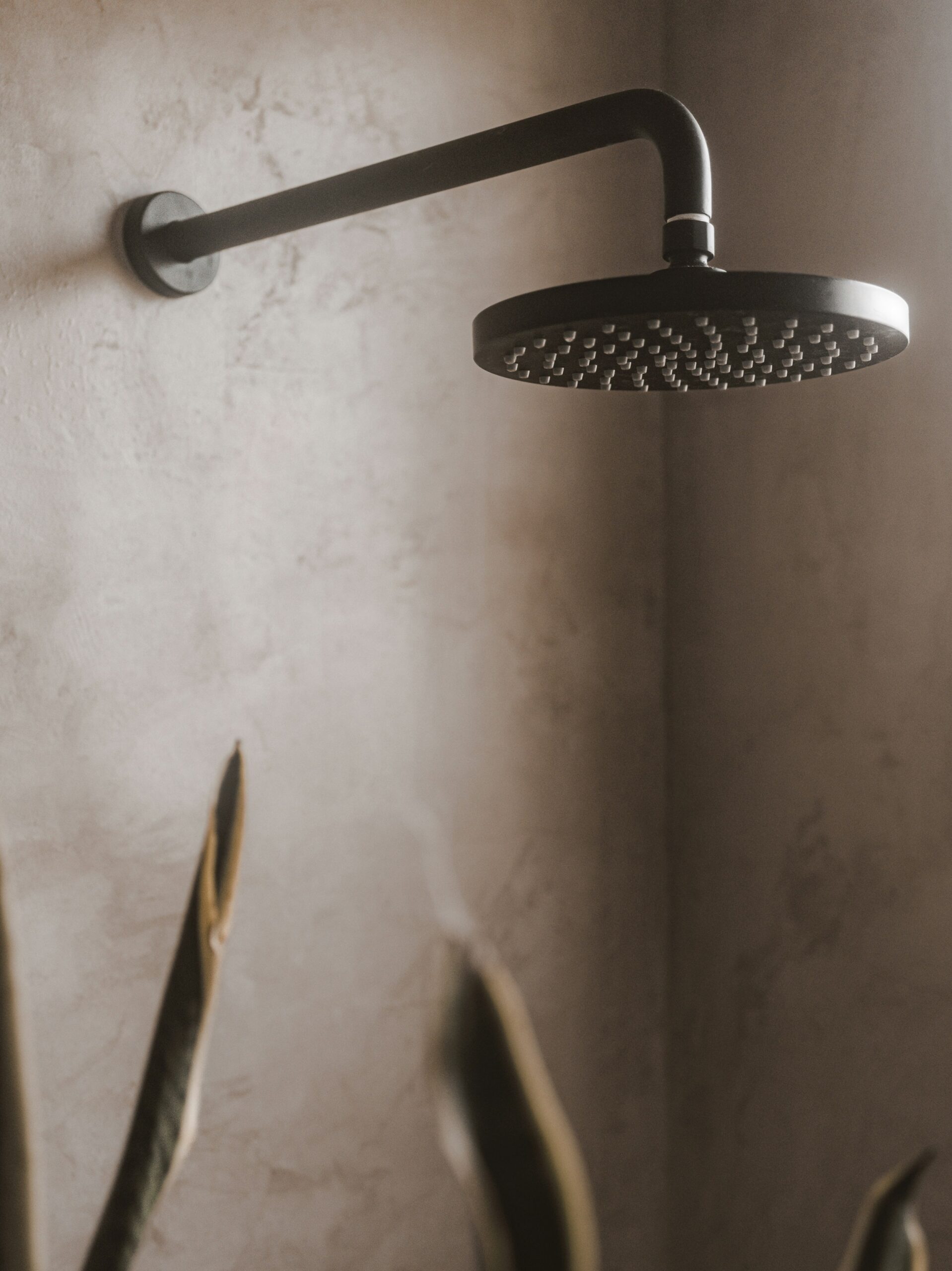
Localized cloudiness in the shower often points to the showerhead, its aerator, or hot-water plumbing serving that fixture. If you recently had work done, check for related signs such as unusual white residue — see White buildup after pipe replacement for a deeper look at that situation.
Step-by-Step What to Do
1. Fill a clear glass and watch
Fill a clear glass from the shower and set it on a counter for about a minute. If the cloudiness rises from the bottom and the water clears from top to bottom, that usually means tiny air bubbles and is not the same as suspended particles.
2. Compare hot and cold
Turn on only the cold, then only the hot water and compare. If only the hot is cloudy, the water heater or hot-side piping is the likely source. If it’s only cold, the inlet or local cold feed is more suspect.
3. Check the showerhead and aerators
Unscrew the showerhead and any aerator or filter. Look for white specks, chalky residue, or scale. Rinse parts in a clear glass of water to see if particles come off. Clean or replace the showerhead if it’s visibly dirty.
4. Test other fixtures
Run water at nearby sinks or another bathroom briefly to see whether the cloudiness appears elsewhere. If multiple fixtures show the same problem, the issue is likely upstream and may need professional testing.
5. Note smell, color, or residue
Keep a short log: when it happens, whether it leaves residue on containers, and if there’s an unusual smell. If you see particles that settle or feel gritty, note that for the plumber.
What Not to Do
- Don’t assume all cloudiness is harmless air or start flushing the heater repeatedly.
- If cloudiness persists or leaves residue, have a plumber inspect the system rather than trying aggressive DIY chemical fixes.
When to Call a Professional
Call a plumber if any of these are true:
- The cloudiness does not clear after the glass test or it leaves visible residue.
- Multiple fixtures are affected.
- There is a noticeable odor, visible particles that settle, or a change after work on nearby pipes.
A professional can safely test for bacteria, sediment, heater issues, or problems introduced by recent repairs. If the timing matches a recent service disruption, also consider guidance on Cloudy water after water outage.
Safety Notes
- Avoid drinking or cooking with water you suspect is contaminated until it’s cleared or tested.
- Don’t add household chemicals to your plumbing to try to clear cloudiness; this can be unsafe and damage fixtures.
- If you have concerns about the water heater, avoid attempting major repairs yourself — contact a qualified plumber or service technician.
Common Homeowner Questions
- Is milky shower water dangerous? Usually not if it’s just air bubbles, but if it leaves residue or affects other taps, have it tested.
- Will running the tap fix it? Brief flushing can clear air; persistent cloudiness should be checked by a plumber rather than relying on repeated flushing.
- Can I keep using the shower? For washing it’s often fine, but avoid drinking the water and stop use if you notice residue, smell, or skin irritation.