Quick Answer:
If water feels slick or soapy after a smart shutoff tripped, don’t panic. It’s usually residue, soap film, or lubricants that were disturbed by the rapid pressure change. Shut off the area you can, run and flush lines slowly, and retest. If the slickness doesn’t clear or you notice smells or skin irritation, stop using the water and call a pro.
Why This Happens
When a smart shutoff closes or opens quickly, sudden pressure changes and flow reversals can dislodge deposits or bring surface films from the mains and house pipes into the flow. That can feel like soap on your skin even though no household soap was used. It can also be caused by leftover pipe lubricants, biofilms, or small amounts of contamination after a repair or valve activity. For situations that affect only upper floors or that follow municipal work, see Slick water in upstairs bathroom and Slick feel after city repair for related patterns and causes.
Step-by-Step What to Do
1. Stop using suspect water
- Don’t bathe, wash dishes, or let pets drink from the taps that feel slick. Use bottled water for drinking if in doubt.
2. Isolate and identify
- Determine if the problem is one fixture, one floor, or the whole house by testing several fixtures (cold and hot).
- Note any unusual color, smell, or skin reaction.
3. Flush lines gently
- Open a cold tap at the lowest point in the house and one at the highest. Let them run for several minutes to clear standing water.
- A slow, steady flow is better than turning valves on and off quickly.
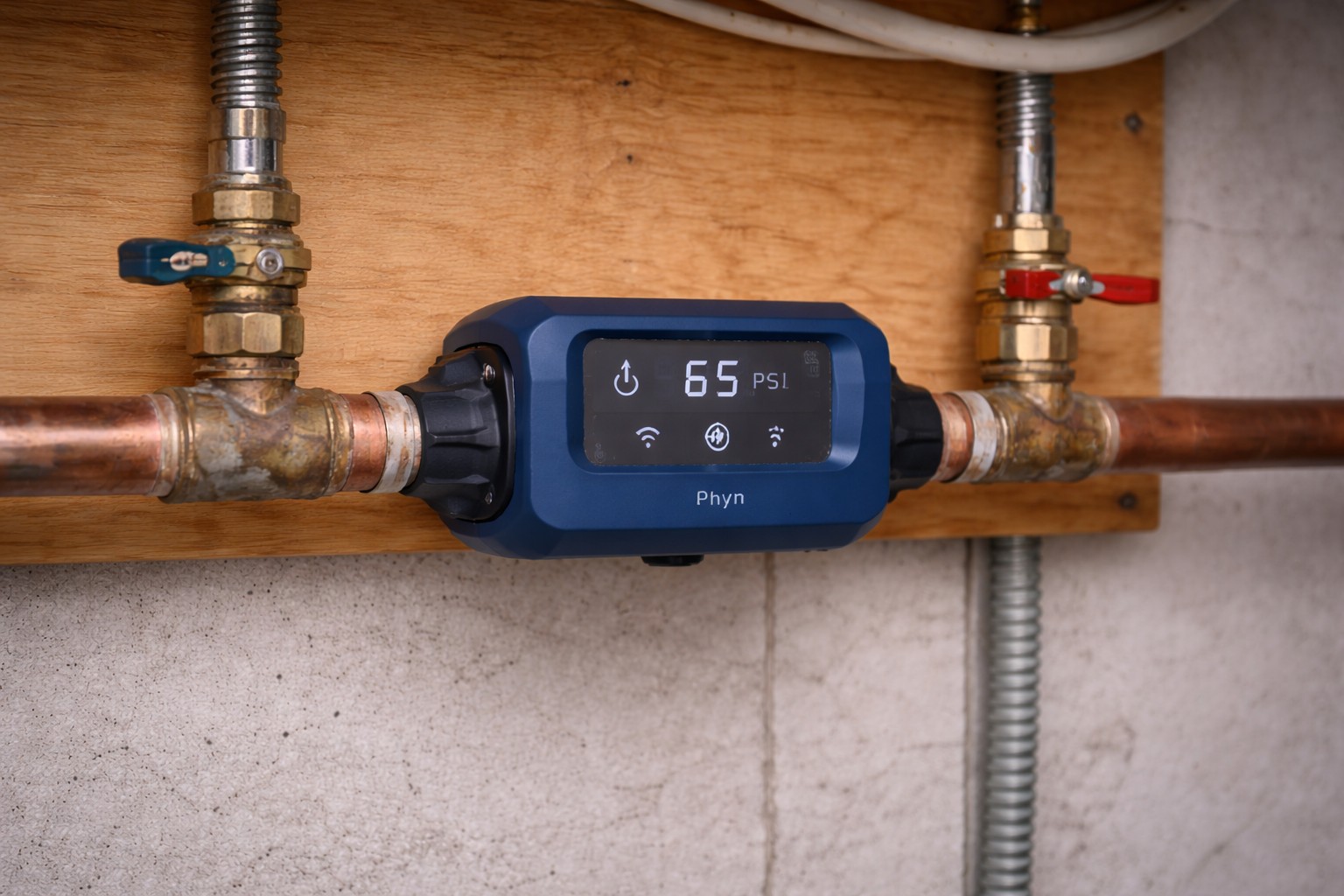
4. Cycle the smart valve slowly and retest feel.
- Instead of letting the valve open and close rapidly, operate it in slow, controlled movements (or use the manual control if available) and test the water after a gentle cycle.
5. Clean aerators and screens
- Unscrew faucet aerators and showerheads, rinse or soak them, and look for oily residue or film.
- Replace screens if they look gummed up.
6. If it clears, monitor for recurrence
- Run taps a few times over the next 24 hours. If slickness returns after valve activity or after the meter cycles, document times and conditions.
What Not to Do
- Do not leave smart valves cycling rapidly. Rapid cycling can pull more residue loose and worsen the problem.
- Don’t ignore skin irritation—stop using the water if it causes redness or burning.
- Don’t attempt chemical treatments for your plumbing without professional guidance.
When to Call a Professional
- If the slick feel persists after flushing and cleaning aerators.
- If multiple fixtures are affected or the issue follows a municipal repair and doesn’t clear.
- If you detect a chemical smell, visible contaminants, or anyone has a skin reaction after contact.
- If you can’t safely operate or isolate the smart shutoff yourself.
Safety Notes
- Avoid using hot water for bathing until the issue is resolved—hot water can worsen skin exposure to contaminants.
- Wear gloves when checking aerators or cleaning fixtures to avoid skin contact.
- If you suspect contamination beyond simple residue (foul odors, discolored water, illness), stop using the water and follow professional guidance or your water utility’s instructions.
Common Homeowner Questions
- Is this dangerous to drink? Short answer: probably not if it’s just soap-like residue, but avoid drinking until it clears or you confirm with a pro.
- Will running the taps fix it? Often yes—gentle flushing usually clears films and loosened residue.
- Could my smart valve be the cause? Yes—rapid or repeated cycling can dislodge deposits; operate it slowly and document any repeat problems.
Related Articles
If you’re troubleshooting a similar symptom, these guides may help:
For the full directory, see Oily Sheen, Slick Feel, or Soapy-Like Water.