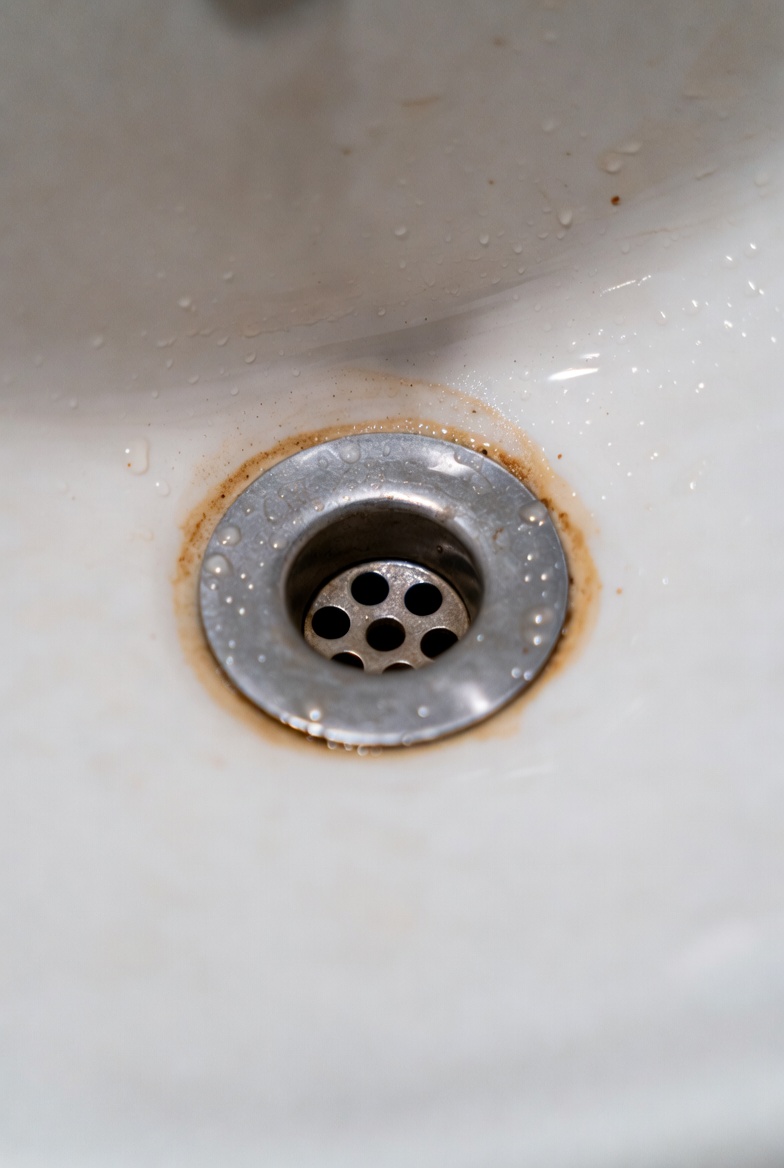
A winter-only odor can coincide with changed room-air movement, low-use drains, or a drainage-vent obstruction. Cold weather is a clue, not proof of any one fault. Heating equipment introduces a separate safety concern that a drain checklist must not overlook.
Checks that fit this situation
Record ordinary weather and heating timing
Keep the outdoor conditions and whether heating was already operating when odor appeared. Do not switch a range hood or furnace on to provoke the smell. Follow alarm instructions and obtain gas/HVAC help for a possible appliance or combustion problem. A carbon-monoxide alarm does not identify every gas source.
Keep vent observations at ground level
If a roof vent is visible from safe ground, note obvious snow, ice, or damage for a plumber. A distant view cannot prove that the vent is open. Do not climb an icy roof, insert tools, apply flame, pour hot water into a vent, or cover the opening to suppress odor.
Check an unused indoor trap without altering the building
Only after the area is safe: if this is a known floor drain that accepts water normally, add clean room-temperature water slowly through the grate. Stop if the level rises, water leaks, or odor increases. Do not pour a large bucket into a slow or unidentified opening. Water visible below the grate can be the normal trap seal; a hidden water surface does not by itself prove that the trap is dry. If the odor returns, have the trap/primer and venting assessed. Do not foam or caulk unidentified service openings or appliance-air paths as a diagnostic step. If the home was winterized, preserve the product and reopening instructions for the service provider.
Stop points
Do not open sewer cleanouts, remove unknown caps, unseal sewage-ejector lids, enter pits or confined spaces, or climb to roof vents. Do not sniff closely at drains or switch fans on to reproduce an odor. Leave chemicals, smoke testing, and drain/vent repairs to appropriate professionals. Persistent or returning odor needs a plumber even if adding water helped temporarily.
Questions for this scenario
Does the furnace cause sewer gas?
A timing correlation does not establish that. Air movement can make an existing odor noticeable, while fuel-gas or combustion faults require their own assessment.
Will leaving a window open fix it?
Ventilation is not a repair for a lost trap seal, leaking joint, blocked vent, or gas appliance fault. Do not remain in an unsafe area to try it.
Choose the next related guide
For the complete decision guide, see Sewer Gas Smell from Floor Drains.
Sources and equipment instructions
These sources support the safety precautions and plumbing principles above. They do not diagnose this particular home. Use the actual equipment model’s instructions; ask a qualified professional about concealed piping, vents, primers, and gas appliances.