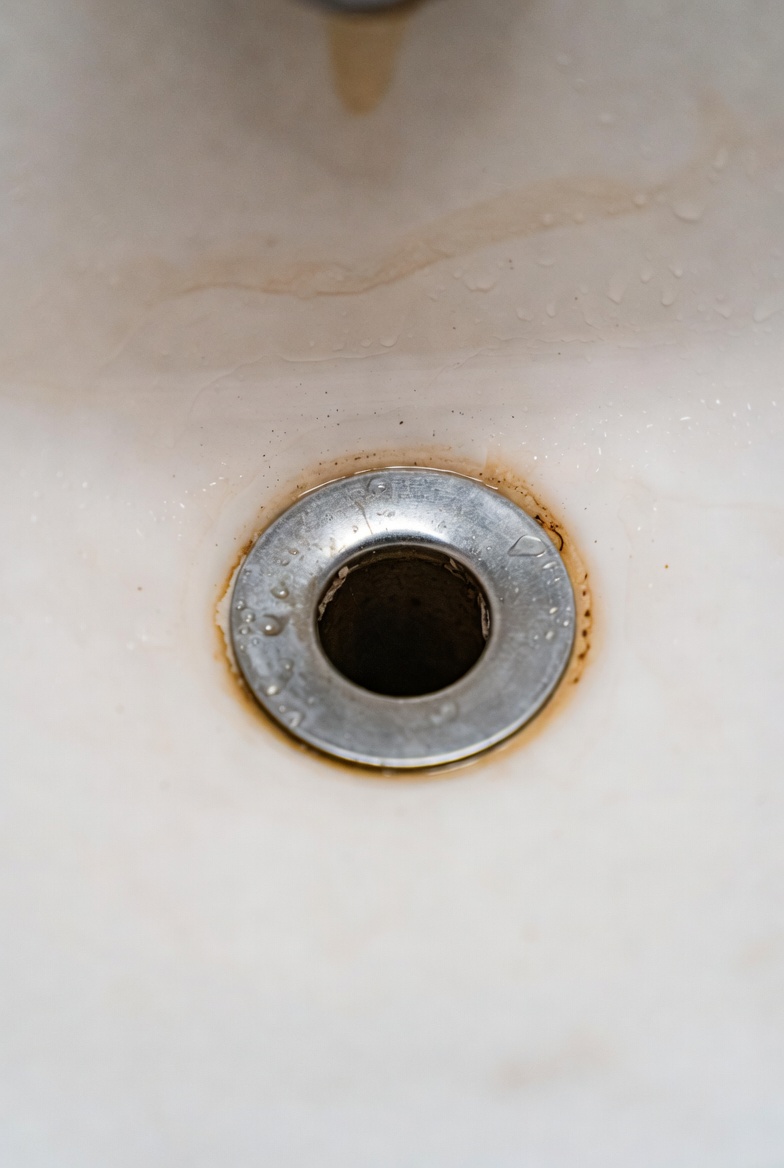
“Only in the basement” identifies an area, not a particular pipe. A floor trap is one possible entry point; unused fixtures, sealed cleanout joints, a sewage-ejector system, or a non-plumbing source may also need assessment. A groundwater sump is not interchangeable with a sewage-ejector pit.
Checks that fit this situation
Keep out of flooded or gas-affected spaces
Do not descend into a basement with concerning odor, sewage, or standing water near electrical equipment. Do not operate a switch or pump in a suspected gas atmosphere. Once the area is safe, make an inventory from accessible dry areas rather than opening every cover to search.
Inventory the potential sources
Record floor drains, rarely used sinks/toilets, externally visible damaged joints, and the labels on any sump or sewage-ejector installation. Leave sealed lids and cleanout caps in place. A cover that looks like a convenient access point may be part of the gas seal; opening it can create the problem you are trying to locate.
Test only the limited dry-trap possibility
Only after the area is safe: if this is a known floor drain that accepts water normally, add clean room-temperature water slowly through the grate. Stop if the level rises, water leaks, or odor increases. Do not pour a large bucket into a slow or unidentified opening. Water visible below the grate can be the normal trap seal; a hidden water surface does not by itself prove that the trap is dry. Note whether the odor changes, but do not conclude that a basement-wide smell came from that drain without follow-up. If a drain holds water yet odor remains, or you see staining, leakage, or wastewater rising, have a plumber inspect the actual system. Do not seal foundation or appliance openings as an unverified odor fix.
Stop points
Do not open sewer cleanouts, remove unknown caps, unseal sewage-ejector lids, enter pits or confined spaces, or climb to roof vents. Do not sniff closely at drains or switch fans on to reproduce an odor. Leave chemicals, smoke testing, and drain/vent repairs to appropriate professionals. Persistent or returning odor needs a plumber even if adding water helped temporarily.
Questions for this scenario
Should I open the sump or ejector lid?
Not as an odor test. Identify the equipment and let the appropriate professional inspect a sealed sewage system or electrical pump installation.
How is this different from a smell at one floor drain?
A room-wide observation needs source identification first. The localized floor-drain guide is useful only once that drain is reasonably implicated and the area is safe.
Choose the next related guide
For the complete decision guide, see Sewer Gas Smell from Floor Drains.
Sources and equipment instructions
These sources support the safety precautions and plumbing principles above. They do not diagnose this particular home. Use the actual equipment model’s instructions; ask a qualified professional about concealed piping, vents, primers, and gas appliances.