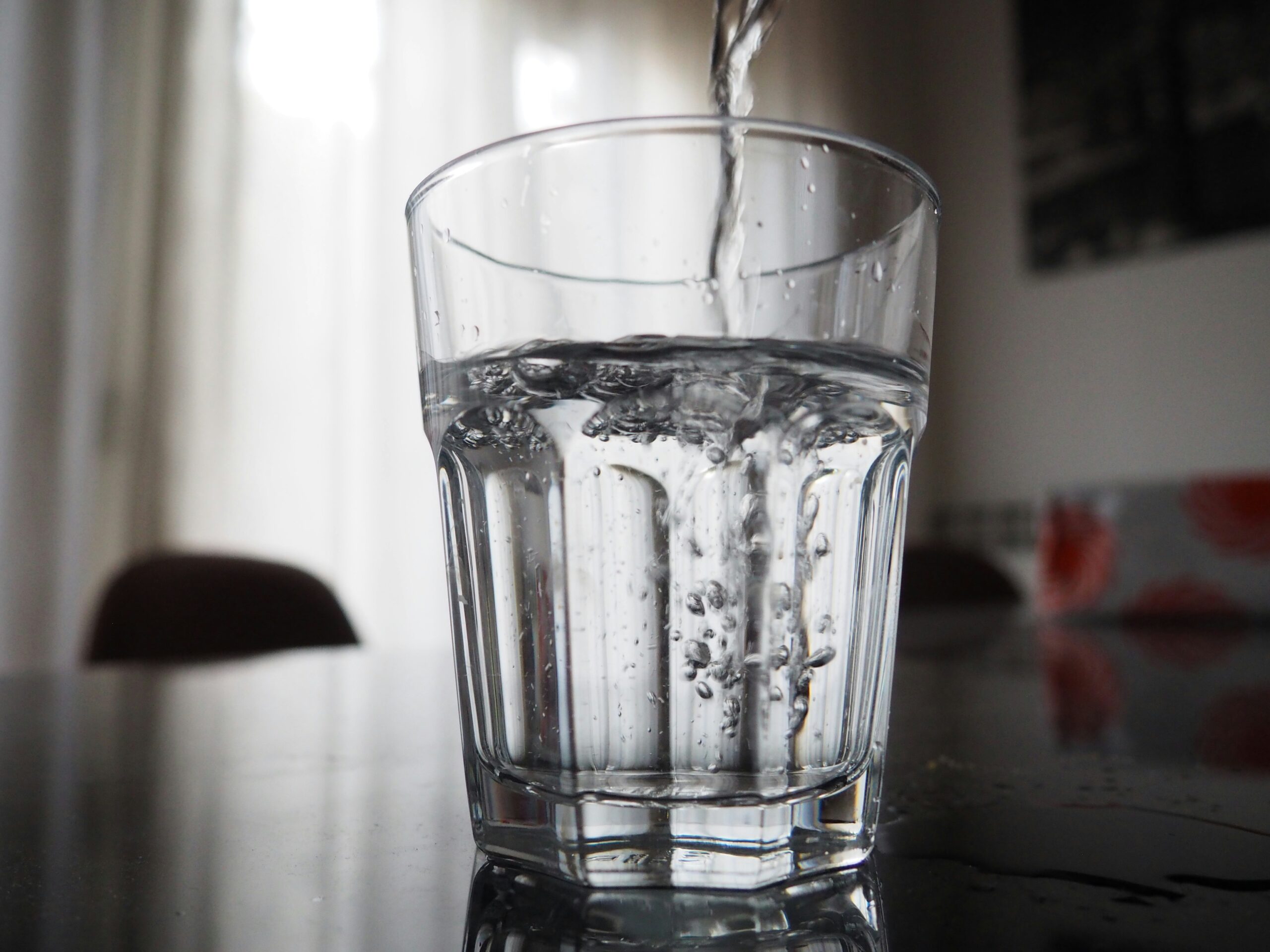
After a long absence, distinguish routine return-to-use care from a new unexplained particle event. Sediment clearing by sight does not establish that stagnation, dissolved contaminants or device startup have been addressed.
Choose a safe first response
For a new unexplained particle change, avoid consuming the affected water and use a known-safe supply for food, drinking and oral care while asking the supplier or local well-water authority for advice. Follow any current notice for other uses. Neither clearer water nor boiling clears an unidentified chemical concern. Familiar material already assessed by the provider can have different ordinary-use instructions.
Keep the original evidence
- Length of nonuse, source notices, any drained or winterized equipment and maintenance already completed.
- First ordinary outlet and observed particles, actual treatment/heater models and relevant household risk advice.
Routine outlet flushing can be appropriate
CDC recommends flushing unused outlets before reuse and maintaining water-using devices. That routine advice does not identify unknown particles or replace an active advisory. For unexplained material, prolonged vacancy, uncertain equipment status or higher health vulnerability, obtain a return-to-use plan fitted to the actual supply and occupants. Do not stand in shower spray to assess the result.
Commission the actual devices
A house that was drained or winterized needs the actual product-removal, freeze-damage and equipment startup instructions before normal operation. Treatment may need specified service or sanitizing; heaters need their actual full-water commissioning before energy return. Do not blindly close or open nearby valves, raise heater temperature as a home disinfection experiment or include irrigation just because it is the last outlet on a list.
Use the actual endpoint
If analysis is needed, ask the supplier or a certified drinking-water laboratory which outlet, bottle, timing and handling fit the question before flushing, removing a screen or changing treatment. A household glass or screen rinse can be a discussion photograph; it is not automatically a valid laboratory sample. Do not taste, rub, burn or chemically challenge unknown particles to identify them.
Flushing can be appropriate for a known deposit or completed repair under the actual supplier, installer and product instructions. Use the specified supplied outlet, secured assembled plumbing, suitable receiving capacity and continuous attendance. Stop for leakage, backup or an unsafe discharge. Clear appearance records a visual change; it does not certify every contaminant absent. Longer flushing is not the automatic response to persistent unexplained material.
There is no universal lowest-to-highest route or several-minutes-per-tap clearance for every house. Routine flushing and a provider’s sampling requirement can have different starting conditions; settle the plan before altering a needed first-draw sample.
When to get further help
Report persistent or recurring particles, active leakage, damaged controls or an unexplained change affecting several outlets promptly. A plumber or equipment technician can assess the actual component; the supplier, health authority or appropriate laboratory addresses the water-quality question. Do not wait through repeated cleaning cycles to obtain that help.
Related situations
- Particles after smart shutoff triggers
- Sand in water after pipe replacement
- Black Specks, Sediment, or Grit in Water