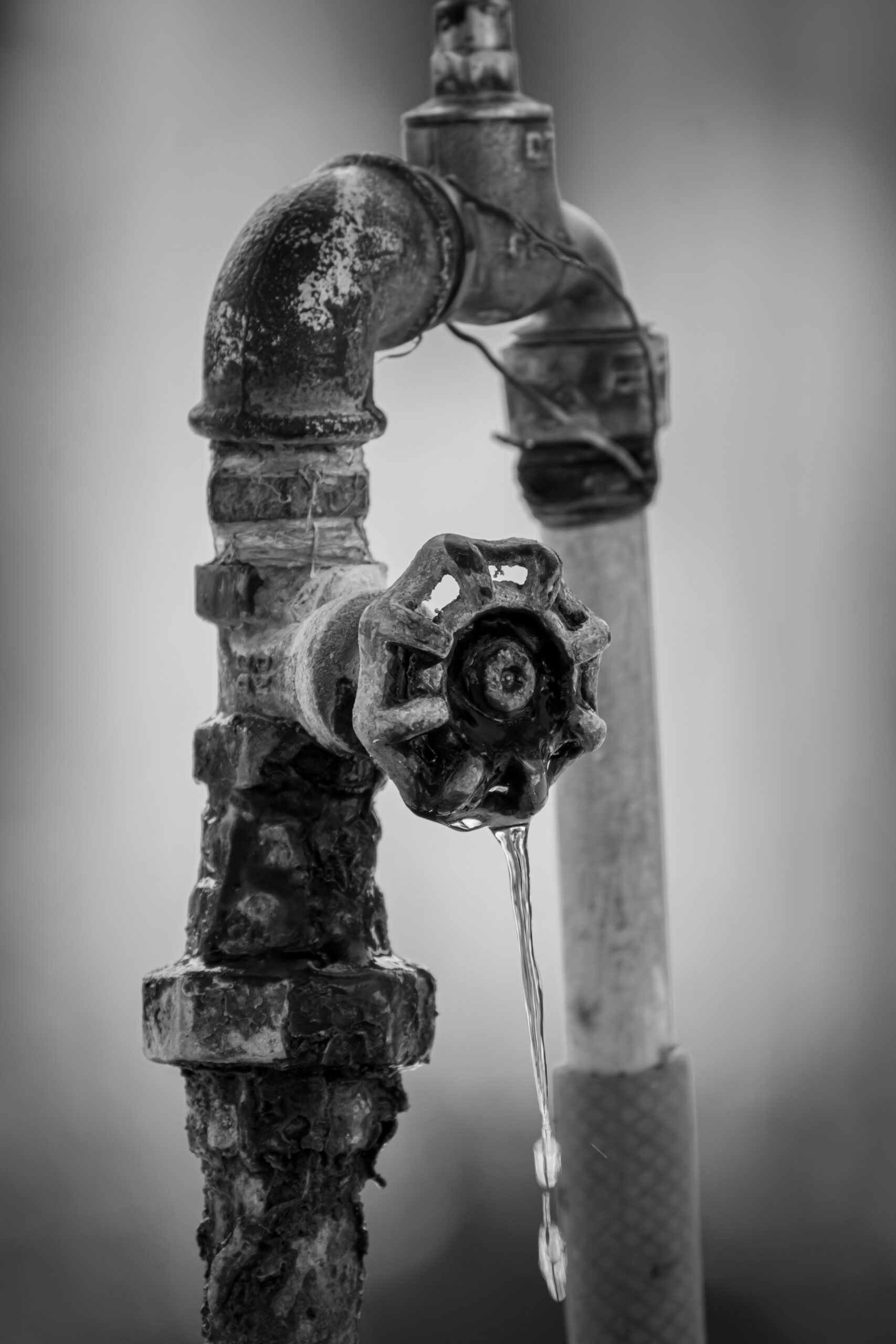
Sand-like material noticed after pipe replacement should be reported to the installer with the repair scope. Cutting residue, disturbed deposits and soil entering an open line require different responses; a clear stream cannot establish sanitary recommissioning.
Choose a safe first response
For a new unexplained particle change, avoid consuming the affected water and use a known-safe supply for food, drinking and oral care while asking the supplier or local well-water authority for advice. Follow any current notice for other uses. Neither clearer water nor boiling clears an unidentified chemical concern. Familiar material already assessed by the provider can have different ordinary-use instructions.
Keep the original evidence
- Material installed, work date, open-pipe or trench exposure and the installer’s completed flush, test and commissioning record.
- Original affected outlets, any leaks and the actual supplier notice or sampling directions.
Have the installer address the repair boundary
Ask what entered the pipe and which material, local and supplier requirements apply. Soil intrusion or unknown construction material may require a defined cleaning, disinfection or sampling plan beyond removing visible grit. Do not run an empty dishwasher or washer cycle as proof that the supply and appliances are decontaminated.
A justified construction flush needs a defined outlet
An installer may use a secured temporary outlet before final fixture connection. That requires an identified pressure boundary, sound supported assembly, captured discharge and a suitable receiver before controlled water admission. Isolate and release the actual segment again before any disconnection or final refit. “Do not pressurize before purging” is not a usable universal sequence: flushing itself needs controlled flow. Do not loosen an unfinished joint under supply pressure.
Return to use follows the actual completion plan
If analysis is needed, ask the supplier or a certified drinking-water laboratory which outlet, bottle, timing and handling fit the question before flushing, removing a screen or changing treatment. A household glass or screen rinse can be a discussion photograph; it is not automatically a valid laboratory sample. Do not taste, rub, burn or chemically challenge unknown particles to identify them.
Flushing can be appropriate for a known deposit or completed repair under the actual supplier, installer and product instructions. Use the specified supplied outlet, secured assembled plumbing, suitable receiving capacity and continuous attendance. Stop for leakage, backup or an unsafe discharge. Clear appearance records a visual change; it does not certify every contaminant absent. Longer flushing is not the automatic response to persistent unexplained material.
Reinstall compatible screens and connections only after their required care; verify sound assembly and leaks under the actual commissioning procedure. Do not substitute several gallons, a day of monitoring or clear water at every tap for the required completion evidence.
When to get further help
Report persistent or recurring particles, active leakage, damaged controls or an unexplained change affecting several outlets promptly. A plumber or equipment technician can assess the actual component; the supplier, health authority or appropriate laboratory addresses the water-quality question. Do not wait through repeated cleaning cycles to obtain that help.
Related situations
- Debris after turning main back on
- Sediment in dishwasher supply
- Black Specks, Sediment, or Grit in Water