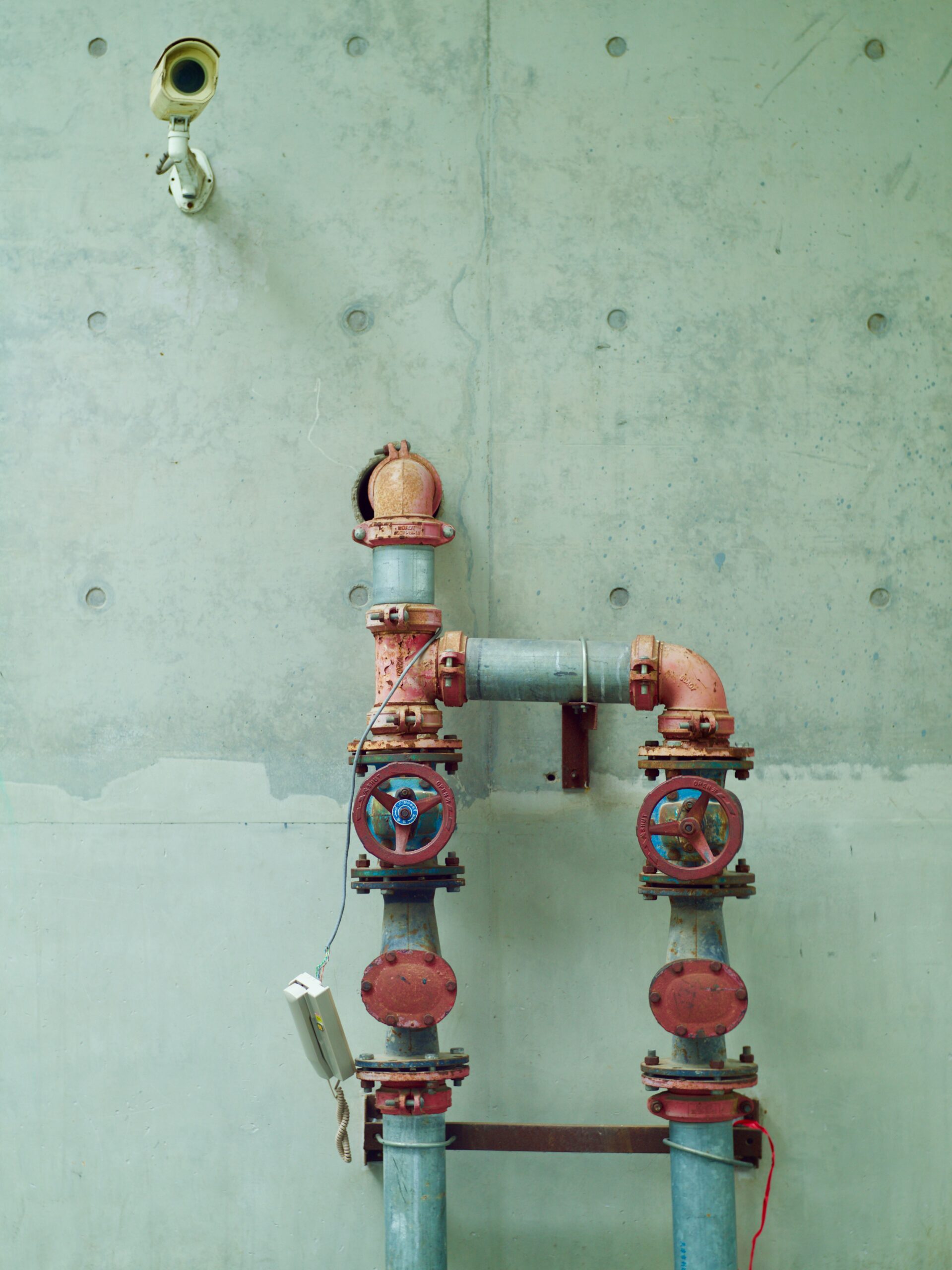
This hub covers rattling or vibration sounds coming from pipes inside walls, ceilings, or cabinets. It includes pipes that rattle when a faucet opens, when a toilet fills, or when an appliance runs.
Rattling is often tied to movement—pipes that aren’t well supported—or to pressure and flow changes that make them shake. Recent repiping, valve installs, smart shutoff installs, or pressure changes can make it more noticeable.
Use the groups below to match where you hear it and what triggers it, then open the closest article title. For broader coverage of related topics see the sub-category hub: Air, Noise & Vibration in Pipes.
Triggered by fixtures or appliances
These articles focus on rattles that start when a specific fixture or appliance runs or fills.
-
Pipes rattle when faucet opened
Noise that begins with faucet use, often caused by loose supports, turbulent flow, or faucet hardware transmitting vibration into the supply lines.
-
Rattling inside wall when toilet fills
Rattles occurring during the toilet fill cycle, commonly linked to the fill valve, refill tube, or in-wall supply riser movement.
-
Pipes rattle when dishwasher runs
Dishwasher-related noise that may come from the inlet line, drain vibration, or valves that change flow patterns during cycles.
-
Rattling when washing machine fills
Rattles tied to washer fill or drain phases, often caused by high flow rates, loose hoses, or valves that vibrate under pressure.
-
Pipes rattle when hose used
Outdoor hose or spigot use can produce transient pressure changes or line movement that cause nearby pipes to rattle.
Where the rattling is located
Clues based on the location of the noise can narrow the likely causes and where to inspect.
-
Pipes vibrate under sink
Under-sink rattles typically come from unsecured supply or drain lines, loose mounting straps, or faucet components transmitting vibration.
-
Rattling in ceiling pipes
Noises heard in the ceiling often indicate supply or drain runs above the room that are rubbing against framing or lacking clips.
-
Rattling from basement ceiling
Basement ceiling sounds usually point to pipes fastened to joists or hangers that are loose or contacting other materials when flow starts.
-
Rattling in upstairs walls
Upstairs wall rattles often come from vertical risers, vent stacks, or supply lines moving inside wall cavities under flow or pressure change.
-
Noise behind shower wall
Shower wall noise commonly involves in-wall valve bodies, shower arm connections, or loosely supported pipes that vibrate with water flow.
-
Rattling near water heater
Rattles near the water heater can be from thermal expansion, loose fittings, or pressure-related vibration in the heater’s inlet or outlet piping.
After plumbing changes
Problems that begin after new parts or system changes are often related to altered flow, mounting, or pressure behavior.
-
Rattling after installing new valve
New valves can change flow patterns or introduce loosened fittings; check mounting and downstream piping for new vibration sources.
-
Rattling started after repiping
Repiped runs may be routed differently or lack support, making previously quiet lines become noisy until clips and straps are adjusted.
-
Rattling after installing smart shutoff
Smart shutoffs can produce pressure transients or operate differently than manual valves, which may cause new vibration in connected piping.
-
Noise after pressure change
System pressure shifts can introduce or amplify rattles; the regulator, pressure-reducing valve, or supply source are common places to check.
Hot-only, night-only, or seasonal patterns
Timing or temperature-related patterns point to specific causes like thermal expansion, demand cycles, or winterization effects.
-
Rattling only on hot water
Hot-water–only noise often involves thermal expansion, fittings near the heater, or mixing valves that behave differently with warm flow.
-
Pipes rattle only at night
Night-only rattles may reflect reduced demand, pressure stabilization, or heating/circulation cycles that occur when household use is low.
-
Rattling after winterization
After winterization, trapped air, altered supports, or missing insulation can lead to noise when the system is returned to normal service.
All Articles in This Cluster
- Pipes rattle when faucet opened
- Rattling inside wall when toilet fills
- Pipes rattle when dishwasher runs
- Rattling when washing machine fills
- Pipes rattle when hose used
- Pipes vibrate under sink
- Rattling in ceiling pipes
- Rattling from basement ceiling
- Rattling in upstairs walls
- Noise behind shower wall
- Rattling near water heater
- Rattling after installing new valve
- Rattling started after repiping
- Rattling after installing smart shutoff
- Noise after pressure change
- Rattling only on hot water
- Pipes rattle only at night
- Rattling after winterization