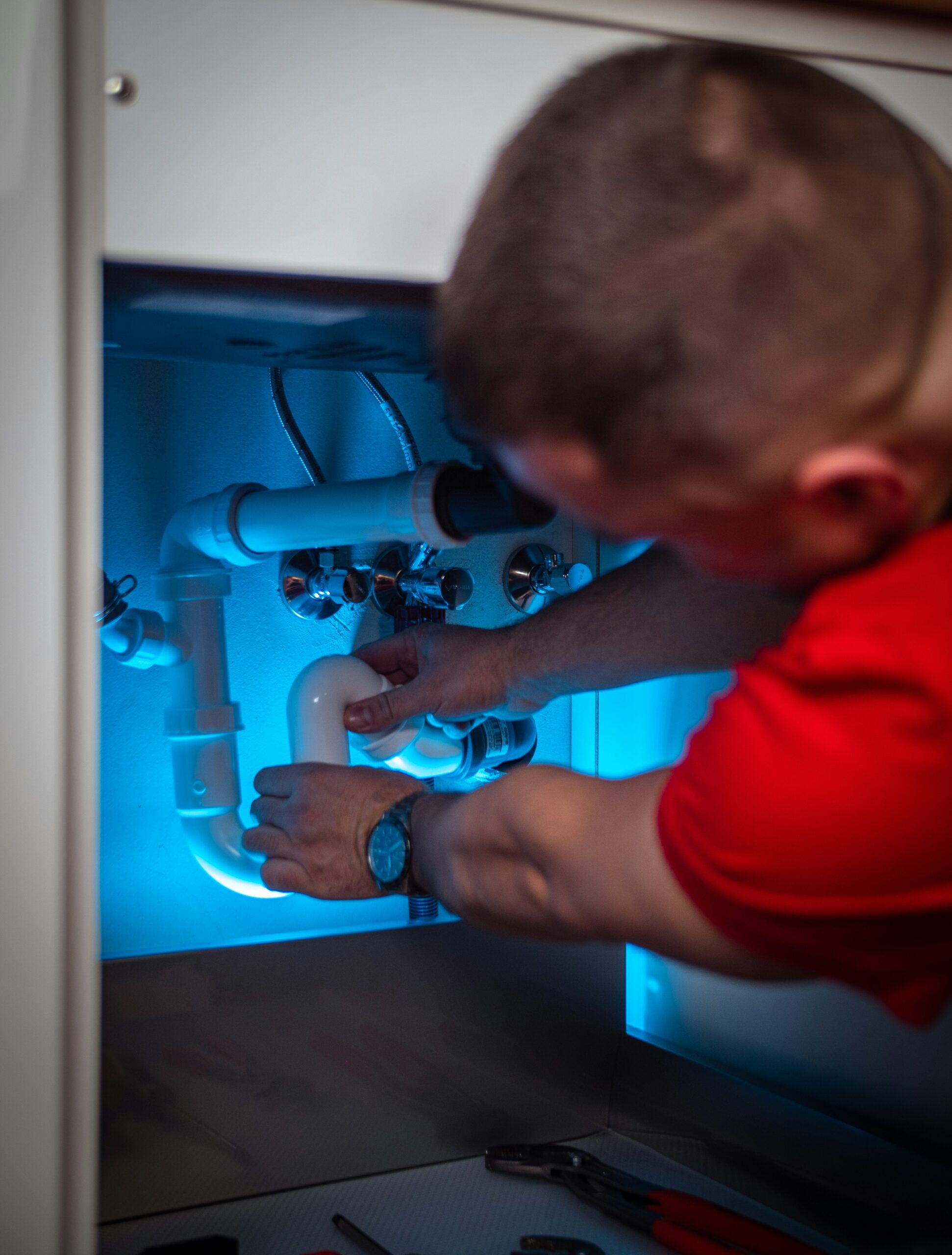
Quick Answer:
If you hear a rattle under a sink it usually means a water line or drain is moving against framing or the cabinet when flow changes. First try a few simple checks yourself: run the fixture slowly then fully to see when the vibration starts, listen from the next room to follow the sound, and press lightly on the nearby wall or cabinet to feel movement. If access is limited or the pipe sits behind finished surfaces, a plumber can locate the run and secure it safely.
Why This Happens
Pipes can vibrate for a few common reasons:
- Water pressure or a quick change in flow causes a valve or loose fitting to move.
- A poorly secured pipe rubs against framing, the cabinet, or a wall cavity as pressure changes.
- After work such as a valve swap, new vibrations can appear as fittings seat differently — see Rattling after installing new valve for that situation.
- Noise can travel through wall cavities and look like it’s under the sink when it’s coming from another fixture — for example, similar issues can come from shower plumbing in an adjacent wall; see Noise behind shower wall.
Step-by-Step What to Do
1. Run the fixture slowly, then fully
Turn the faucet on slowly, then open it fully. Note exactly when the vibration starts — at low flow, when you open fully, or when you shut it off. This timing helps show whether steady flow, pressure change, or water hammer is the trigger.
2. Listen from an adjacent room
Leave the room and listen from the closest adjoining space. Moving toward the loudest spot helps you localize which run of pipe is making the noise. This is faster and safer than poking inside cabinets blind.
3. Press lightly on nearby wall or cabinet
With the fixture running at the speed that caused the rattle, press a hand gently on the cabinet side or wall near the sound. If you can feel vibration, note the exact spot — that’s where the pipe is likely contacting framing or the cabinet.
4. Check visible fittings and clamps
If you can see the pipe run and it’s safe to reach, check for loose straps, screws, or clips and snug them. Turn off the water if you must move fittings, and only use basic hand tools. Do not force pipes or overtighten metal straps — you only need to stop significant movement.
5. If you can’t reach it, stop and call
If the pipe is behind a finished wall or ceiling, or you suspect the run is tied to electrical or other services, don’t cut into finishes yourself. When access is limited, a professional can locate the run and secure it without causing damage.
What Not to Do
- Don’t open walls or wedge random shims blindly. That can hide the problem or damage finishes and wiring.
- If the rattle is near wiring or finished ceilings, let a plumber locate the pipe first. Don’t cut into surfaces you’re unsure about.
- Don’t hammer pipes or overtighten straps; that can break fittings or cause leaks.
When to Call a Professional
- The noise continues after basic tightening or padding efforts.
- You cannot safely access the pipe because it’s behind finished walls, ceilings, or near electrical lines.
- You see signs of leaking, corrosion, or damage to finishes that require repair.
- You’re unsure which run is making the sound after checking from adjacent rooms — a plumber has tools to trace and secure the line without guessing.
Safety Notes
- Shut off water to the fixture before attempting any fastening work. Know where the shutoff is and how to use it.
- Avoid drilling, cutting, or forcing access near wiring, gas lines, or finished ceilings. If you suspect those, call a pro.
- Use basic hand tools and eye protection for visible work. If you’re uncomfortable, stop and call a licensed plumber.
Common Homeowner Questions
- Will the vibration damage the wall? Minor rubbing may mark paint or cabinet surfaces over time; persistent movement can wear finishes and should be fixed.
- Can I silence it with foam or insulation? Padding accessible spots with pipe insulation or rubber tape can help for small movements, but don’t use packing materials behind finished walls — consult a plumber instead.
- Is this an emergency? Most rattles aren’t immediate emergencies, but call a plumber if you see leaks, sudden pressure loss, or if the noise starts after work involving valves or new fittings.
For more related articles, see the Rattling Pipes Inside Walls hub.